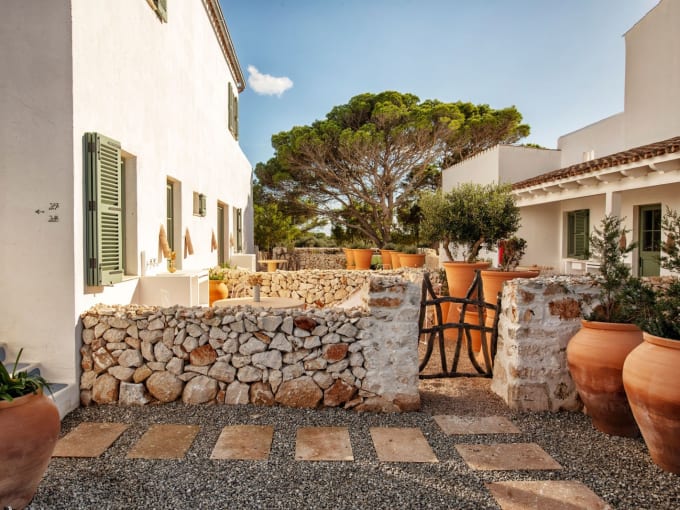
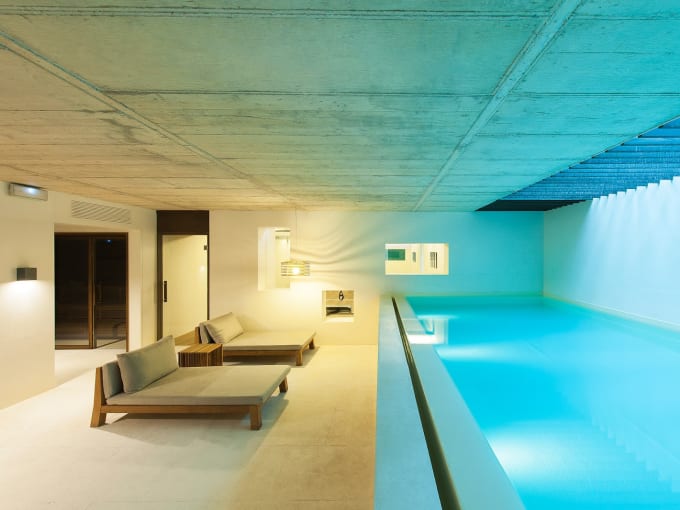
Spain has emerged as one of the most insightful landscapes for understanding design hotels in Europe. The country is no longer limited to a few signature addresses in Barcelona or Madrid. It now presents a broader map that ranges from Mediterranean retreats to urban havens, from reinterpreted historic buildings to almost sculptural architectures. For the discerning traveller, design transcends mere decoration. It becomes a way to inhabit a place, to navigate, to perceive light, to hear silence, and to comprehend a city. This is precisely what makes this ranking valuable. Between Aguas de Ibiza Grand Luxe Hotel, Alma Barcelona, Brach Madrid, Cap Rocat, and Grand Hotel Central, Spain showcases multiple aesthetic languages. None is absolutely dominant. It is this plurality, rather than a fleeting trend, that warrants careful consideration today.
To establish this ranking, MyConciergeHotel never settles for a photogenic style. We first observe the overall coherence of the project. The exterior architecture, the treatment of volumes, the quality of materials, the clarity of circulation, and the relationship to the landscape are as important as the decoration. We also assess a hotel's ability to maintain its narrative over time. Successful design remains livable beyond the novelty effect. We then incorporate criteria related to hotel positioning. The reputation of the establishment, its grounding in a destination, its level of service, and its capacity to offer a complete experience are all taken into account. What our advisors particularly observe is the harmony between form and function. A great design hotel must be beautiful, but also clear, fluid, and restful.
The Spanish panorama presented in this top list illustrates this diversity with precision. In Barcelona, Alma Barcelona, Barceló Raval, chic & basic Born, El Palace Hotel, and Grand Hotel Central embody very different visions. Some embrace contemporary restraint, while others exude a more urban energy or a classical heritage. Madrid responds with Brach Madrid, Casa de las Artes, and Four Seasons Madrid, three distinct interpretations of hotel design in a capital undergoing transformation. Along the coasts and in the islands, Aguas de Ibiza Grand Luxe Hotel and Cap Rocat remind us how Mediterranean light influences choices of materials and spaces. Further north, Akelarre imposes a more radical approach, closely tied to the Basque landscape. Even Alhambra Palace Hotel, with its historical identity, reminds us that a design hotel can also emerge from a carefully curated heritage staging.
The trends for 2025-2026 confirm several underlying themes in Spain. The first is a return to more tactile interiors. The high-end traveller seeks less visual ostentation and more sensory richness. Wood, stone, thick textiles, ceramics, and softer lighting often replace overly demonstrative signatures. The second trend concerns the relationship to the territory. The most compelling hotels no longer replicate a standardised international luxury. They draw on local references, sometimes subtle, sometimes bold. The third pertains to usage. Rooms must remain intuitive, communal spaces versatile, and well-being better integrated into the overall narrative. Also noteworthy is the rise of hybrid addresses. They combine aesthetic refuge, cultural scene, destination dining, and genuine quality of stay. Design is no longer an add-on; it now structures the entire experience.
From our service culture perspective, French luxury provides a useful lens. It prioritises precision over emphasis. In a design hotel, this means balanced proportions, quiet comfort, and a staging that never overwhelms the guest. This approach allows us to distinguish a thoughtfully conceived address from a mere stylistic exercise. In Spain, the best design hotels precisely achieve this balance. They know how to entice without overplaying their hand. They create an atmosphere while also leaving space for the traveller. My advice is simple. Always observe how a hotel manages its transitions. The arrival, the lobby, the passage to the room, the opening onto a terrace or a view often convey more than the official images. It is here that the maturity of a hotel project is measured.
This ranking should also be read without absolute reflexes. The number one is not the only valid answer. Each hotel corresponds to a specific use, a travel rhythm, and an aesthetic sensitivity. Some travellers will seek an urban address, dense and connected to the local scene. Others will prefer a more contemplative retreat, almost monastic, facing the sea or countryside. A design hotel can captivate with its radicality, but it can also impress with a more understated elegance. We do not aim to distribute definitive medals. We offer a reasoned editorial hierarchy based on the coherence of design, the quality of experience, and relevance within its Spanish context. The hotels not included higher up remain excellent options; they simply cater to different priorities.
Now, let us present the top 10. Here you will find hotels that provide a precise interpretation of current Spanish design. Some are already landmarks, while others reflect a more recent evolution in taste. All deserve to be considered with nuance.