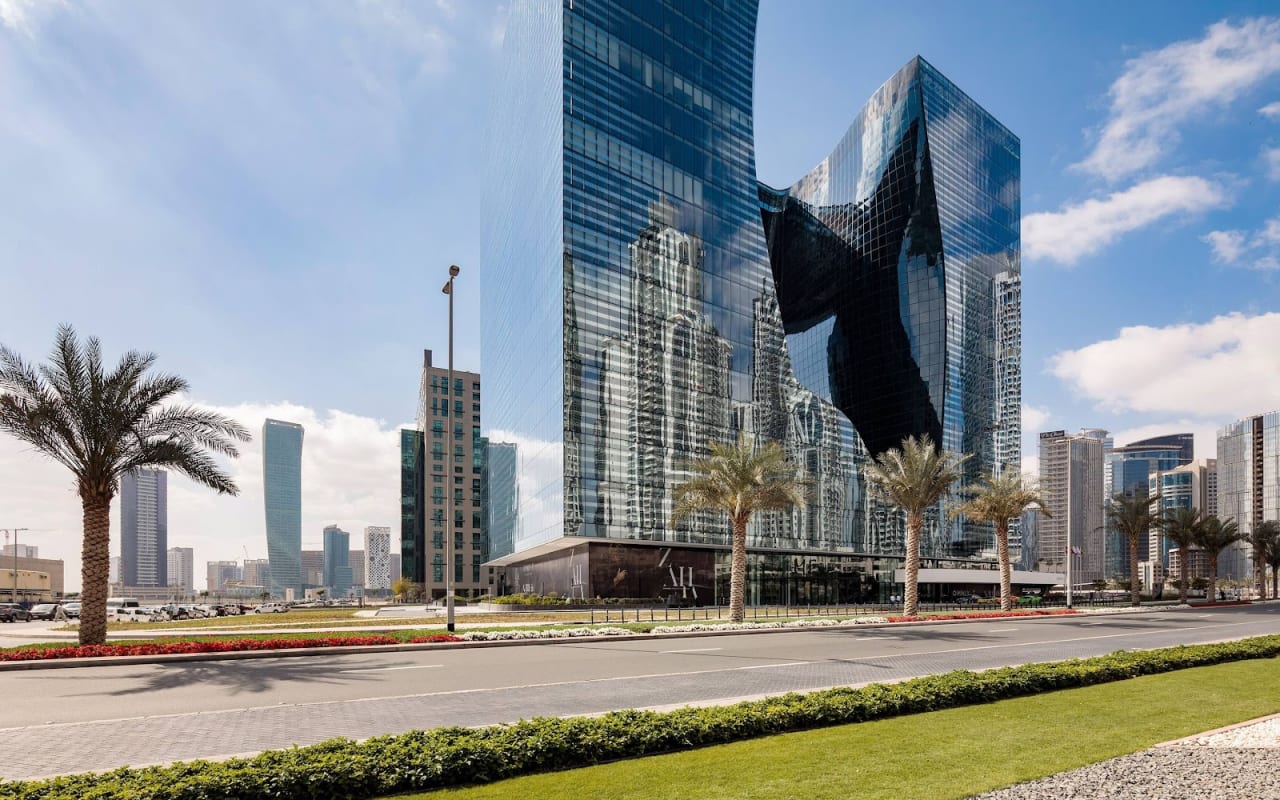
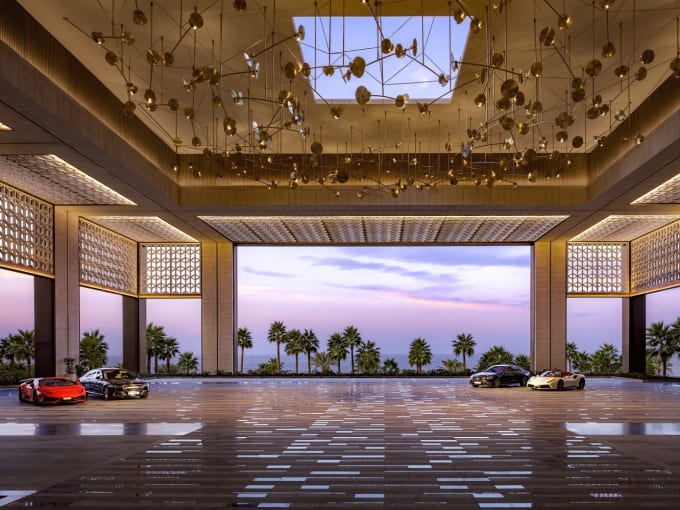
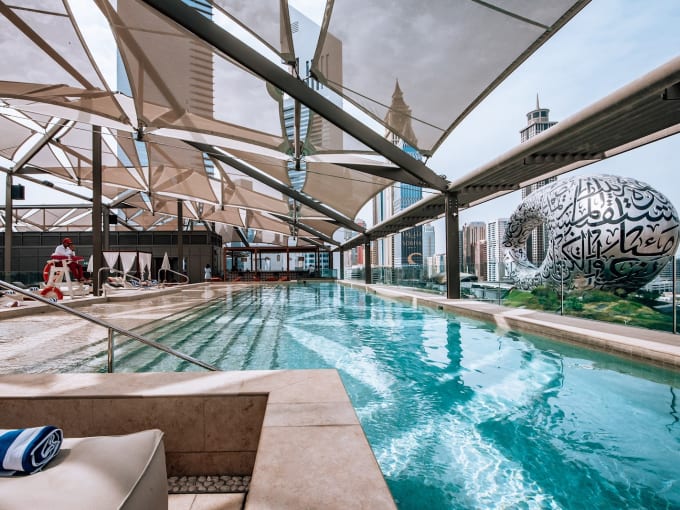
In the United Arab Emirates, hotel design transcends mere decoration. It shapes the experience, the rhythm of the stay, and the interpretation of the place. Dubai has long established a spectacular grammar, characterised by iconic silhouettes and theatrical interiors. Abu Dhabi has developed a more institutional style, often linked to scale, monumentality, and the landscape. Between the two, travellers today find a rare vantage point. One can transition from a hotel designed by a fashion house to a desert resort conceived around silence. Urban addresses that are more liberated, playful, and sometimes more editorial in nature can also be discovered. This ranking focuses on this diversity. It does not seek sensationalism but rather hotels where design creates lasting coherence.
At MyConciergeHotel, our assessment is based on specific criteria. We first observe the formal identity of the hotel, which must be clear, assertive, and consistent, from the volumes to the rooms. We then examine the relationship between architecture, decoration, and function. A great design hotel is not merely photogenic; it must function well, from arrival to communal spaces. We also evaluate local anchoring, which in the UAE can relate to light, the desert, the coastline, or the traditions of Arab hospitality. Finally, we consider brand signature, consistency of execution, and the venue's ability to remain contemporary. It is important to note that a successful design hotel is never just a pretty image; it orchestrates a complete experience.
The Emirati landscape is particularly rich, juxtaposing several aesthetic families. Armani Hotel Dubai champions calibrated, almost couture minimalism within an immediately identifiable address. Bulgari Hotel in Dubai showcases a more residential Italian elegance, with a very clear interpretation of materials. Atlantis The Royal pushes the logic of contemporary iconography further, with a strong architectural presence. Address Sky View fits within an urban modernity, linked to the skyline and verticality. 25Hours Hotel Dubai One Central adopts a more narrative and quirky approach. At the other end, Al Maha, a Luxury Collection Desert Resort & Spa, Dubai, makes the desert landscape a central compositional element. Even heritage or seaside addresses, such as Arabian Boutique Hotel or One&Only The Palm Dubai, join this conversation.
For 2025 and 2026, several trends are emerging in the UAE. The first concerns the end of purely demonstrative design. The most discerning travellers now seek hotels where form serves comfort and intimacy. The second trend focuses on materials and texture. Marble remains present but interacts more with wood, textiles, brushed metal, and more muted palettes. The third trend is contextual. The most compelling hotels are those that better integrate light, views, and thermal transitions. Our advisors also observe a return to more precise narratives. Some addresses tell the story of a city, a home, a desert, or a brand, without overwhelming the space. Design becomes less of an isolated manifesto and more of a language of stay.
This perspective aligns with a certain idea of French luxury that we advocate at Le Concierge. Luxury is not about accumulation; it resides in precision, fluidity, quality of execution, and a sense of obviousness. In a design hotel, this means intuitive circulation, well-proportioned rooms, controlled light, and materials that age gracefully. It also means service that can support the aesthetic without contradicting it. In the UAE, this requirement takes on a particular form. The climate, scale, and culture of hospitality impose a true design discipline. A lobby can be spectacular, but it must also remain habitable. A suite can be highly designed, but it must preserve rest. My advice for navigating this ranking is simple: always consider what design concretely changes about your stay.
It is also important to clarify what this ranking is not. It does not solely reward the most famous hotel, nor the largest, nor the most commented upon. It does not confuse design with novelty. Some addresses impress with their immediate impact, while others establish themselves through coherence, longevity, or their ability to create an atmosphere. Each hotel thus has its audience. A lover of clean lines and fashion signatures may not choose the same address as a traveller seeking landscape, heritage, or a more expressive staging. We have ranked very different hotels, but all uphold an identifiable vision. None are here by chance; all provide a serious interpretation of hotel design in the United Arab Emirates, in sometimes opposing, often complementary registers.
Now, let us turn to the Top 10. Here you will find icons of Dubai, more confidential retreats, and addresses that demonstrate how design can transform a stay.