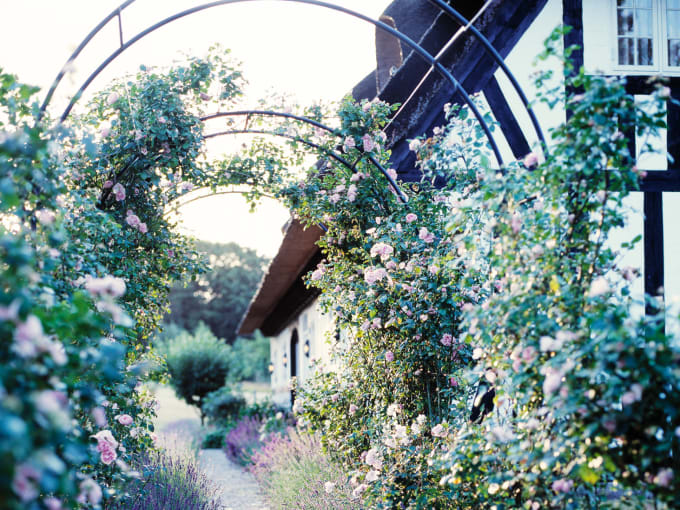
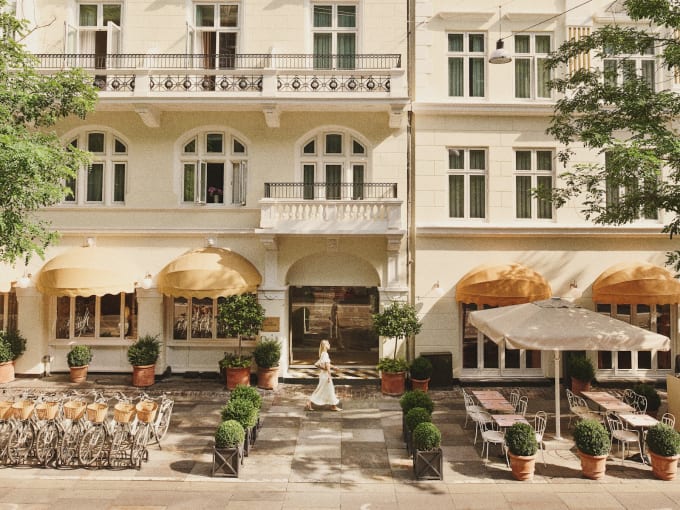
Denmark holds a unique position in European hospitality. The country blends design, heritage, coastlines, and a keen sense of comfort. For the discerning traveller, this combination makes all the difference. Here, luxury is not based on ostentation; it is expressed through light, the quality of materials, the precision of service, and a tranquil relationship with time. Copenhagen concentrates much of this energy, featuring Audo House, Hotel Bella Grande, Hotel Herman K, Hotel Petra, Nimb Hotel, and Park Lane Copenhagen. However, the ranking extends beyond the capital. Dyvig Badehotel, Hotel Dragsholm Slot, and Hotel Falsled Kro remind us that Denmark is also defined by its coastlines, countryside, and historic addresses. It is precisely this tension between creative city life and contemplative escapes that makes the destination so compelling.
To establish our selection, we first consider the overall coherence of the experience. The level of service is, of course, important, but it is not the only factor. We also examine the location, the clarity of the positioning, the quality of the interior architecture, the local grounding, and a hotel's ability to offer a meaningful stay. A grand urban hotel is not evaluated in the same way as a gastronomic inn in the countryside. A historic castle is not judged with the same expectations as a design boutique hotel. Our advisors cross-reference distinctions, category, the reputation of the establishment, and the perceived consistency of the product. The aim is not to produce an abstract truth but to assist a client in making the right choice, according to their pace, budget, and the nature of their journey.
The Danish landscape is more varied than it may seem. Copenhagen showcases several expressions of contemporary five-star hospitality. Nimb Hotel appeals to travellers seeking an iconic, central, and immediately recognisable address. Hotel Herman K and Hotel Petra lean more towards an architectural and urban interpretation. Audo House attracts those who prioritise design as a language of stay. Park Lane Copenhagen offers a different, more residential tone. Hotel Bella Grande adds a capital option that is more accessible in spirit while remaining high-end. Outside the city, the narrative shifts. Hotel Dragsholm Slot introduces a heritage dimension. Hotel Falsled Kro highlights the elegance of a countryside address. Finally, Dyvig Badehotel establishes a direct connection to the coastline, the northern light, and silence.
For 2025 and 2026, several trends are solidifying in Denmark. The first concerns the search for smaller, more intimate hotels. Travellers are increasingly favouring addresses that are clear and have a distinct identity. The second relates to the relationship between design and hospitality. Décor is no longer sufficient; it must enhance usability, rest, and flow. The third trend pertains to mixed stays. Many clients are now combining two or three nights in Copenhagen with a coastal or rural interlude. What our advisors also observe is an increased expectation for tranquillity. Danish luxury responds well to this demand, often prioritising mental space, acoustics, natural light, and controlled simplicity. In this context, the best addresses are those that avoid overly dated trends.
This selection also resonates with a certain idea of French luxury. Not because Denmark imitates France—that would be inaccurate—but because the best Danish hotels share a standard that we uphold at MyConciergeHotel. A remarkable hotel must know how to welcome, guide, and simplify. It should shape the stay while respecting the personality of the location. In Denmark, this philosophy takes on a more restrained expression. Materials are often understated, volumes breathe, and service, when well-executed, remains present without becoming ostentatious. My advice is simple: read these hotels as characterful homes. Each offers a different way of experiencing the country. Here, luxury often hinges more on accuracy than accumulation.
Therefore, this ranking should be read without a reflex for superlatives. The number one is not the only valid answer; it represents an editorial synthesis, not a universal hierarchy. Some travellers will seek the centrality of Copenhagen, while others may prefer a castle, a renowned restaurant, or a view of the water. A couple on a cultural getaway will have different expectations than a family or a design enthusiast. It is also worth noting that Denmark is well-suited for short stays. The right hotel then becomes crucial, structuring the journey, especially when time is limited. This is why we value suitability as much as prestige. An address may be less known internationally yet better suited to a specific project. The best ranking is one that aids in decision-making, not one that seeks to impress.
In the following top list, you will find nine hotels that each tell a credible facet of Danish hospitality. Some embody the capital, while others open up to the islands, the countryside, or the coastline.