Belgium is often experienced through its cities. Brussels is home to institutions, historic addresses, and a representative hotel scene. Bruges embraces a heritage intimacy and a connection to its canals. Ghent exudes a more creative energy, blending civic monuments with new hotel scenes. Antwerp, on the other hand, cultivates a more graphic, design-oriented elegance, often understated. Then there are the less expected escapes, such as Sint-Truiden or Watermael-Boitsfort, which shift the focus towards a more residential luxury. This is precisely what makes a national ranking useful. It allows for the comparison of very different experiences without artificially opposing them. In Belgium, the best hotel is not always the one that impresses the fastest. It is often the one that most accurately meets a specific need, a pace of stay, or a precise idea of comfort.
To establish this top 10, we first consider simple and verifiable criteria. The level of classification, the address, the consistency of the experience, the clarity of positioning, and a hotel's ability to embody its city are all significant factors. We also observe the perceived quality of common spaces, architectural interest, heritage anchoring, service coherence, and relevance for different types of travellers. A destination hotel is not judged in the same way as an urban hotel for short stays. An intimate boutique hotel is not compared to a grand name in Brussels. What our advisors particularly note is the balance. A very good hotel in Belgium must be locally relevant, internationally comprehensible, and sufficiently consistent to be recommended without unnecessary reservations.
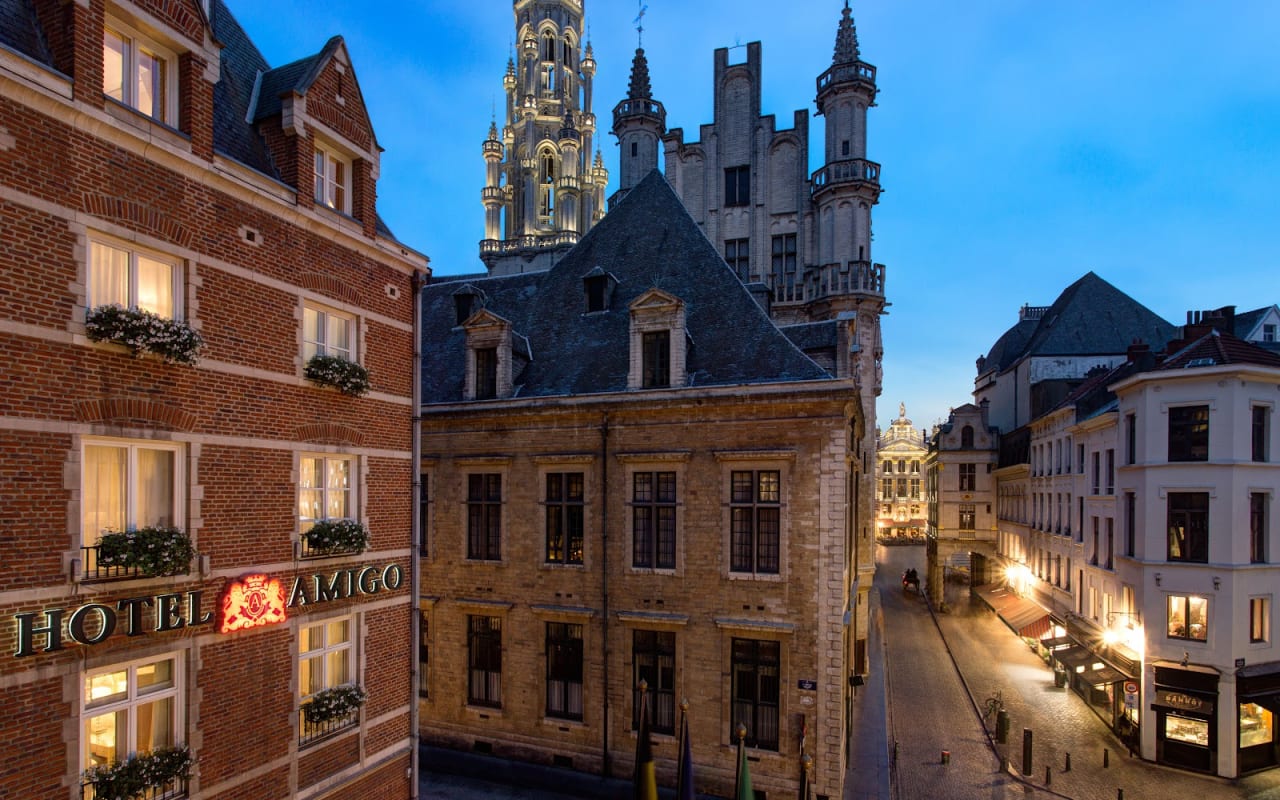
The Belgian panorama is richer than one might imagine from abroad. In Brussels, Hôtel Amigo, Juliana Hotel Brussels, Indigo Brussels City, Faubourg 21, and Mix Brussels already present several visions of high-end accommodation. One is very central and heritage-focused. Another plays on confidentiality. A third embraces a more contemporary interpretation of the capital. In Bruges, Hotel De Tuilerieën, Hotel Heritage, Hôtel Sablon, and Hotel Van Cleef showcase how the city can host romantic, cultural, or contemplative stays. Ghent responds with 1898 The Post, B&B The Verhaegen, and NH Collection Gent, each in very different registers. Antwerp features August and De Witte Lelie, two strong signatures. Finally, Kasteel van Ordingen reminds us that a great Belgian stay can also be experienced outside the major centres.
The trends for 2025-2026 confirm several underlying movements. Firstly, the high-end traveller seeks less ostentation and more clarity. They want to immediately understand what a hotel promises. In Belgium, this expectation favours establishments with a clear identity. Secondly, the demand for hybrid stays is increasing. A hotel must be able to accommodate a cultural weekend, a wellness retreat, or an extended business stopover. In this context, profiles like Mix Brussels gain relevance, while historic addresses enhance their appeal through the quality of the overall experience. We also observe a growing interest in smaller hotels, especially in Bruges and Ghent. Finally, architecture is becoming a more explicit selection criterion. Travellers are increasingly booking a building, not just a room.
There is also a very French way of interpreting Belgian luxury. It does not seek effect but rather consistency. The consistency of an address is its ability to maintain a coherent level of detail, from the first contact to departure. It is a reception that understands the purpose of the trip. It is a room designed for the city in which it is located. It is a breakfast that does not need to demonstrate its worth to convince. In Belgium, this philosophy finds a natural environment. The country excels in intermediate formats, between grand urban houses and characterful retreats. My advice is simple. Do not just seek the most visible hotel. Look for the one whose language resonates with you. A stay in Bruges is not chosen like a night in Brussels, nor is a getaway in Sint-Truiden comparable to a weekend in Antwerp.
This ranking should therefore be read as an oriented selection, not as a universal verdict. Each hotel featured here has its audience, its rhythm, and its context. Some excel for a first discovery of Belgium. Others are better suited for travellers already familiar with the country, seeking a more unique address. It is also important to note that the notion of 'best' depends on the intended stay. For a city break on foot, centrality may take precedence. For a romantic getaway, intimacy and views may become decisive. For a business trip, the fluidity of service and the clarity of spaces are more important. We do not reward the noise surrounding an address. We prioritise coherence, personality, and the ability to leave a precise memory without overstating.
In the following top list, you will find very different hotels, all defensible editorially. Some embody a city. Others renew a category. Still others offer a more discreet yet highly convincing alternative. It is this diversity that strengthens the Belgian hotel scene.