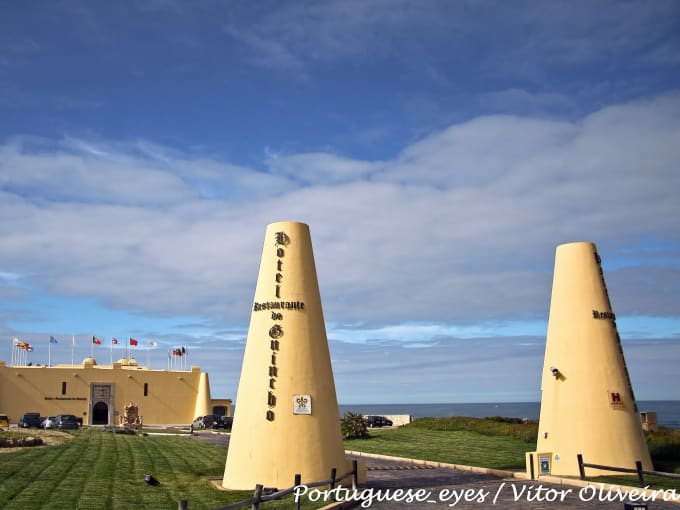
Portugal has firmly established itself as one of the most consistent destinations in Europe for five-star hospitality. The country combines a clear geography, reasonable distances, and distinct regional identities. Lisbon, the Cascais coast, the Douro Valley, Alentejo, Madeira, and the Algarve offer radically different experiences. This is precisely what makes this ranking useful. A great hotel in Portugal is not merely a beautiful address; it must engage with its landscape, local history, and the rhythm of travel. Between an urban institution like the Four Seasons Hotel Ritz Lisbon, an island retreat such as Belmond Reid's Palace, or a characterful venue like Fortaleza do Guincho, luxury takes on various forms here. It is important to note that the right choice depends less on displayed prestige and more on the actual experience of the stay.
Our methodology is based on consistent editorial criteria. We only consider five-star hotels that are part of our approved selection. We first assess the strength of the address. Location is as important as execution. A capital city, an Atlantic cliff, a wine valley, or a rural estate entails different expectations. We then evaluate the clarity of the experience. A great hotel must fulfil its promise without confusion. Architecture, views, heritage relations, perceived service quality, and the ability to create a seamless stay all come into play. We also consider relevance for different profiles. A honeymoon, a long cultural weekend, a wellness break, or a gastronomic itinerary do not require the same considerations. What our advisors observe is that the best addresses are often those that manage to remain precise.
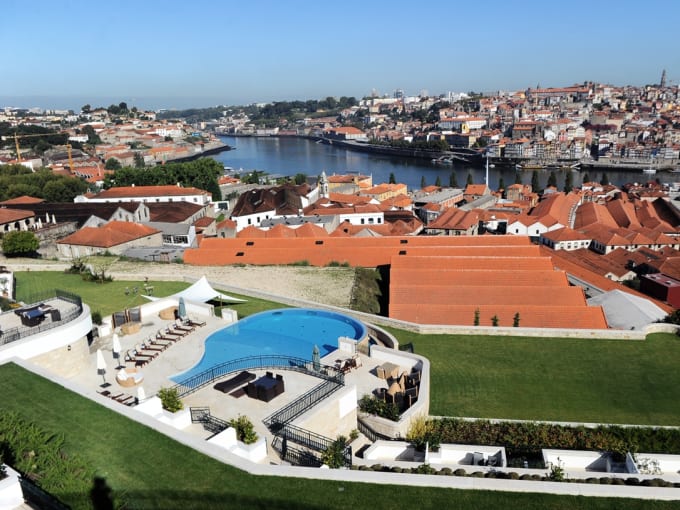
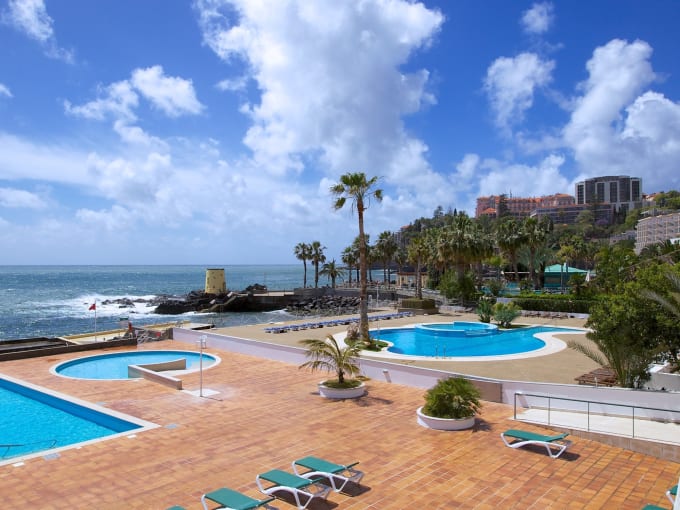
The Portuguese landscape is more varied than one might imagine from abroad. Lisbon naturally hosts several references, with Andaz Lisbon and the Four Seasons Hotel Ritz Lisbon embodying two distinct interpretations of urban stays. Further north, Casa da Calçada Hotel in Amarante and Douro Royal Valley in Ribadouro highlight the importance of the river, wine, and terraced landscapes. In the centre, Casa de São Lourenço Hotel in Manteigas introduces a mountainous dimension, rare in the Portuguese imagination. Alentejo asserts a different temporal rhythm with L’AND Vineyards Hotel in Montemor-o-Novo and Herdade da Malhadinha Nova in Beja. Along the Atlantic, Fortaleza do Guincho in Cascais and Bela Vista Hotel & Spa in Portimão speak of the sea, winds, and light. Finally, Madeira showcases two strong signatures, Belmond Reid's Palace and Casa Velha do Palheiro.
For 2025 and 2026, several trends are shaping the Portuguese five-star market. The first is the return of intentional stays. Travellers are no longer just seeking a well-located room; they want an address that orchestrates the journey. This favours hotels with a clear anchoring, whether urban, wine-related, maritime, or insular. The second movement is the rise of longer stays, often in combination. Lisbon can kick off the itinerary, followed by the Douro, Alentejo, or Madeira. The third trend is the search for intimacy without total isolation. Hotels like L’AND Vineyards or Herdade da Malhadinha Nova cater to this expectation. Finally, the concept of wellness is becoming more subtle and mature. It relies less on catalogue effects and more on space, silence, views, and sleep quality.
At MyConciergeHotel, we advocate for a reading of luxury that aligns with a certain French tradition. Luxury is not about accumulation; it is about precision. A simple arrival, service that anticipates without overwhelming, a table that makes sense in its territory, and a room designed for rest. Portugal lends itself well to this definition. The country values light, materials, the relationship with the outdoors, and a form of elegant restraint. Even in the most renowned addresses, the experience convinces more through its coherence than through ostentation. My advice: do not choose solely based on category or reputation. Choose a tempo. An urban palace does not offer the same rhythm as a historic house in Funchal or a rural estate in Alentejo. It is this alignment between place and moment that makes the difference.
One must also know how to read a ranking without turning it into an absolute verdict. A number one is not the best for everyone; it is the most convincing according to a given framework at a given moment. Some travellers will prioritise the heritage and consistency of a large international house, while others will prefer the uniqueness of a boutique hotel, proximity to the ocean, or the seclusion of a vineyard. This is why we avoid empty superlatives; they do not help in making the right reservation. Between Andaz Lisbon, Carmo's Boutique Hotel, Hotel Parador Santa Catarina, Casa de Peónia, or Casa Electra, the uses can diverge significantly. Our role is not to standardise these differences but to make them understandable. A good ranking primarily serves to guide. It should allow you to recognise the address that truly corresponds to you.
Here is our take on the best five-star hotels in Portugal. This top 10 prioritises coherence, anchoring, and quality of stay, distinguishing very different addresses that are never interchangeable.