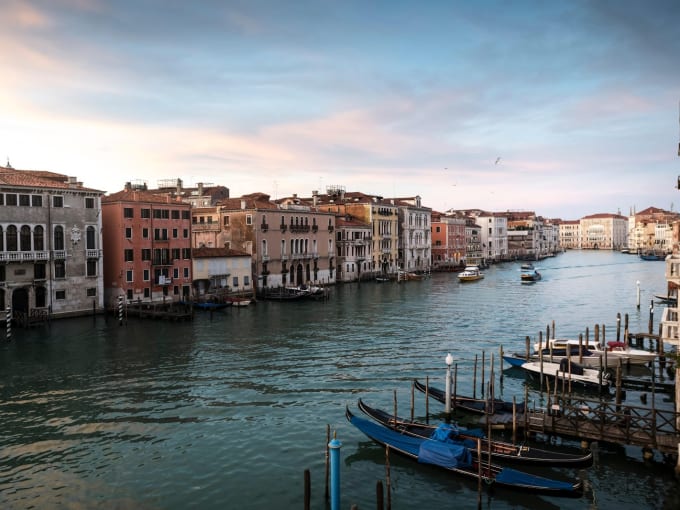
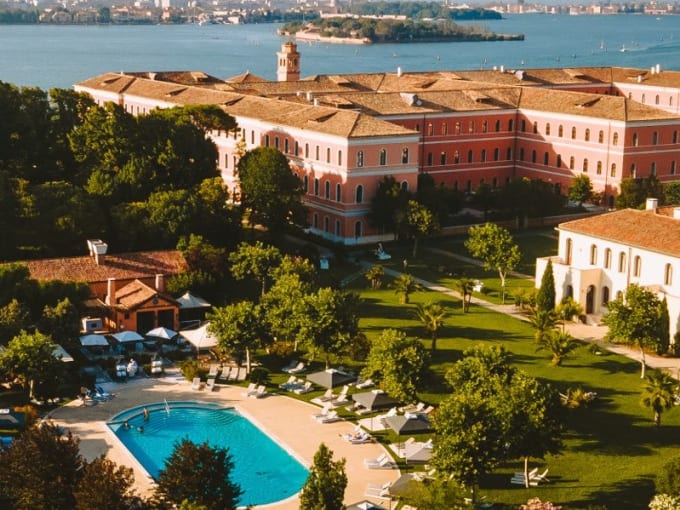
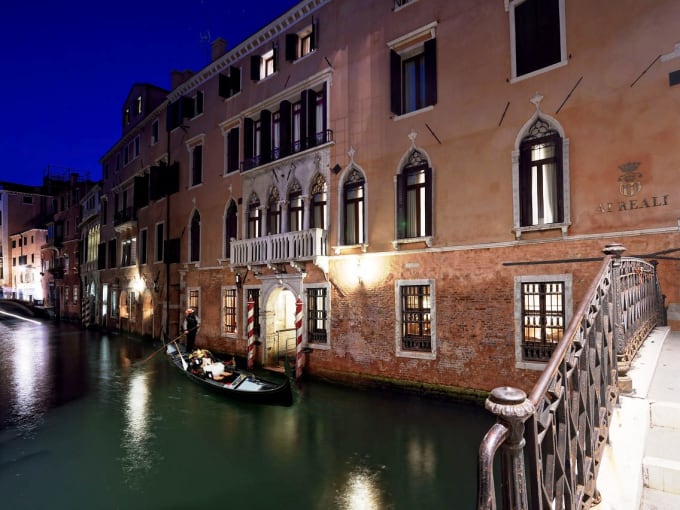
In Venice, a spa is not merely an additional service; it is a vital aspect of the overall experience. The city is explored on foot, by boat, and across successive bridges, with a physical pace that is more demanding than it appears. After a day spent wandering through San Marco, Dorsoduro, Giudecca, or the islands, access to a wellness space significantly enhances the quality of the experience. This is especially true in a destination where the hotel is as important as the sights. It is also worth noting that Venice embraces a luxury of retreat. Here, the focus is less on spectacular effects and more on a sense of shelter, silence, and the rediscovery of time. In this context, establishments such as Aman Venice, Belmond Hotel Cipriani, San Clemente Palace Kempinski Venice, and The Gritti Palace strategically position their spas, ensuring they are never merely decorative.
Our editorial assessment is based on several intersecting criteria. We first examine the reality of the wellness offerings, which includes the presence of a recognised spa, treatment rooms, wet areas, or a dedicated programme. We then evaluate the relationship between the spa and its location. In Venice, a spa serves different functions depending on whether it is situated in a palace on the Grand Canal, in an island resort, or in a more urban boutique hotel. We also consider the hotel’s star rating, the brand’s reputation, architectural coherence, and the ability to provide genuine recovery. What our advisors often observe is straightforward: the best spa hotels in Venice are those where wellness naturally extends the stay, without disrupting the spirit of the city.
The Venetian landscape is more varied than one might expect. On one hand, there are international institutions housed in historic buildings, offering more comprehensive facilities and well-established logistics. This is true for Belmond Hotel Cipriani, San Clemente Palace Kempinski Venice, and The Gritti Palace. On the other hand, there are more intimate establishments where wellness takes on a subtler form. Aman Venice exemplifies this approach, presenting a very residential interpretation of luxury. Hotel Ai Reali provides a central option for travellers wishing to combine location with relaxation. Il Palazzo Experimental and Londra Palace Venezia appeal to those who appreciate design, human scale, and a more contemporary experience. Even within a spa-focused ranking, it is essential to recognise the nuances of format, location, and usage.
For 2025 and 2026, several trends are becoming evident. The first pertains to the demand for active recovery after visits. Travellers seek effective treatments, flexible hours, and easily accessible spaces. The second relates to intimacy; many clients in Venice prefer hotels where the spa remains calm, exclusive, and proportionate to the number of rooms. The third trend concerns the sense of place. A spa is more convincing when it engages with a palace, a garden, a private island, or a water view. My advice is to avoid separating wellness from the rest of the experience. In Venice, the quality of a spa is also reflected in the journey to reach it, in the light, in the silence, and in how the hotel manages transitions between the city and relaxation.
This selection also embodies a certain idea of French luxury—not an imposed style, but a method of interpretation. We favour precision over emphasis, examining how a hotel upholds its promises. A historic palace is not judged in the same way as a boutique hotel, nor is an island property mechanically compared to a house in the heart of narrow streets. This approach is particularly suited to Venice, a city that does not tolerate hasty judgments. It requires consideration of rhythms, access, seasons, length of stay, and the traveller's profile. A couple on a cultural getaway does not expect the same experience as a regular patron of large international brands. The ideal spa is therefore one that fits seamlessly into a coherent travel narrative, rather than merely serving as a technical specification.
Consequently, this ranking should not be viewed as an absolute truth. Each hotel has its audience, its tempo, and its distinctive advantage. Some excel in the breadth of their wellness offerings, while others stand out for their atmosphere, location, or ability to create a decompressing haven in a dense city. We do not seek to oppose styles; instead, we aim to identify those addresses where the spa provides a tangible benefit to the stay. This could be a large facility in a destination resort or a more intimate interlude in an urban palace. Finally, it is important to remember that the best option often depends on how you choose to experience Venice. A contemplative stay, a packed weekend, a honeymoon, a winter trip, or a discreet retreat will lead to different choices.
In the following Top list, you will find eight hotels in Venice where the spa deserves to be part of your final decision. Each offers a unique way to slow down the pace of the city.