History & heritage
In Chelsea, luxury is rarely about display. It is more often a way of inhabiting London: with restraint, taste and that distinctly British sense of privacy preserved behind a discreet façade. The Chelsea Townhouse belongs to that tradition. More than a place to stay in the capital, it evokes the spirit of the private houses that have shaped the district’s identity, combining residential elegance with a cultural rhythm and immediate access to some of the city’s most desirable artistic, retail and social addresses.
The very word “townhouse” says much about the hotel’s positioning. It suggests a form of hospitality different from that of the grand boulevard hotels: more intimate, more domestic in inspiration, where the aim is to feel received in a London home rather than in a theatrical institution. In Chelsea, that nuance matters. The neighbourhood remains associated with refined sociability, streets lined with handsome houses and a local life that moves naturally between galleries, gardens, boutiques and cultural landmarks.
Its membership of Relais & Châteaux offers another useful lens. The collection is not simply about high-end hotels; it is about places with a strong sense of character, where the experience depends on atmosphere, hospitality and a meaningful connection to the destination. In the case of The Chelsea Townhouse, that affiliation suggests a certain standard of style and service, but also a subtler promise: a stay shaped by personality rather than standardisation.
Chelsea itself brings a long history that enriches the experience. Once a village absorbed by the growth of London, it has retained a distinct identity, balancing residential prestige with cultural vitality. Over time, artists, writers, collectors, fashion figures and long-standing residents have all contributed to a particular way of life, one that moves easily from a quiet garden to a major shopping street, from a museum to a discreet local address. Staying here means entering that urban continuity: a more inward, more nuanced London, less theatrical than some of the city’s headline districts, yet often more rewarding for travellers who enjoy the capital at a lived-in pace.
This sense of heritage should not be understood as something static. In Chelsea’s best addresses, tradition is expressed through codes: respect for residential scale, the value placed on calm, the quality of materials, attention to service details and the ability to combine modern comfort with the spirit of a house. The Chelsea Townhouse appears to belong to that lineage. Its appeal lies in that balance between characterful address and urban refuge, between a strong neighbourhood identity and the promise of a peaceful retreat.
For travellers, this is an important distinction before booking. One does not choose The Chelsea Townhouse for a loud or showy version of London, but for a more composed one, where luxury is measured by the quality of the experience rather than by spectacle. It is an address for those who appreciate beautiful houses, attentive service and stays in which returning to the hotel is as pleasurable as going out.
The Establishment
What strikes you first at The Chelsea Townhouse is the contrast it offers. London is a city of energy, movement, and multiple scenes. Yet, some addresses provide an almost residential retreat without leaving the city centre. This is the appeal of this hotel. It offers a grounding in one of the most desirable neighbourhoods of the capital, with a rare calm at this scale.
Chelsea has long combined prestige with a sense of proportion. It boasts elegant streets, characterful facades, and immediate proximity to luxury boutiques and cultural institutions. The area also retains a sense of silence, greenery, and a genuine local life. The Chelsea Townhouse fully benefits from this environment. One can organise their days with ease and then return in the evening to a more serene atmosphere.
The address will appeal to travellers who appreciate London for its nuances. From Chelsea, the city unfolds as a tapestry of neighbourhoods, squares, museums, cafés, gardens, and shop windows. One can experience a culturally rich stay without being swept away by the crowds. This relationship with the neighbourhood is one of the hotel’s strengths. It suits both first-time visitors and those returning for repeat stays.
The spirit of the place rests on the concept of a contemporary London home, where elegance remains understated. The communal spaces play a decisive role. They welcome guests without rigidity, allow for a serene arrival, and offer pauses between outings. Even with a packed schedule, it is invaluable to stay in a hotel that does not add to the city's noise.
This sense of refuge does not exclude practicality. Access to cultural sites and proximity to luxury boutiques encapsulate the geography of the stay. Chelsea allows for the combination of very different days. A morning dedicated to art or design, lunch in the neighbourhood, an afternoon of shopping, and then a return to tranquillity before dinner. For business travellers, this flexibility is equally appreciated.
In London, a calm setting holds real value. It transforms the way one sleeps, works, reads, and prepares for the day. It also makes the hotel suitable for couples, solo getaways, and trips seeking balance. The Chelsea Townhouse thus meets a very contemporary expectation. That of urban luxury that shields from the tumult without cutting off from the city.
Ultimately, the establishment stands out for its coherence. Located in Chelsea, a member of Relais & Châteaux, close to cultural landmarks and boutiques, yet set in a peaceful atmosphere. These elements create a clear profile. For a discreet stay in London with a sense of place, The Chelsea Townhouse offers a comprehensible address, grounded in the quality of its environment as much as in hotel comfort.
Rooms and suites
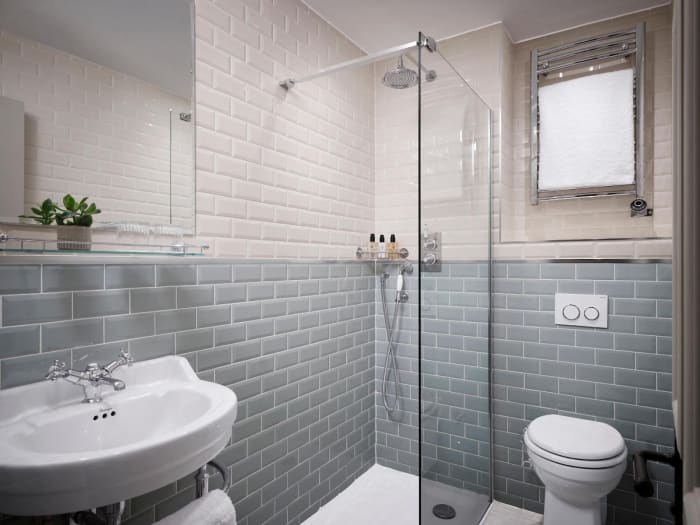
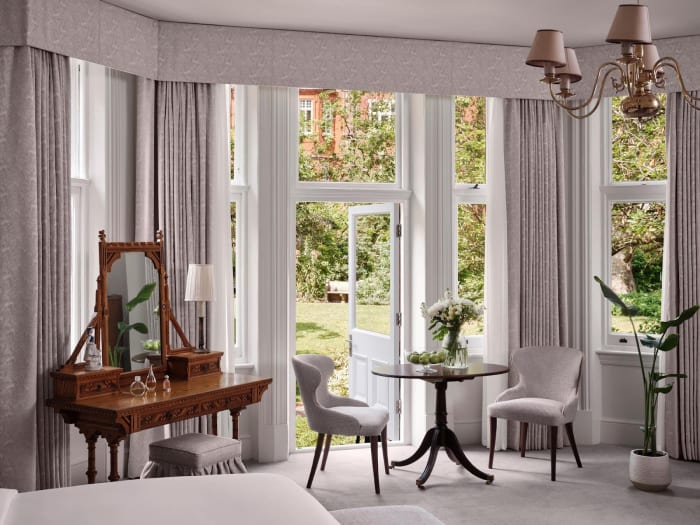
At an address such as The Chelsea Townhouse, the room is not merely a functional space between London engagements; it is central to the stay. The word “townhouse” immediately creates a specific expectation: accommodation that privileges intimacy, a residential feel and a more personal relationship with comfort. Unlike larger hotels with impressive yet sometimes impersonal volumes, one expects the rooms here to extend the idea of an elegant house in the heart of Chelsea.
That promise is particularly relevant in London. Days are often long, movements frequent and stimuli constant. Returning to a room conceived as a refuge changes the experience of travel entirely. Guests look for quiet, proper rest, service details that lighten daily logistics and that difficult but essential quality in high-end hospitality: the sense that everything has been arranged to make the stay flow smoothly. The known amenities support this impression, notably daily housekeeping and turndown service, both discreet but meaningful signs of attentive hospitality.
The style one expects in this kind of hotel is less about decorative effect than about balance. In Chelsea, interiors are valued when they combine refinement with restraint, contemporary comfort with residential references. The best London rooms do not overload the space; they privilege materials, light, clarity of layout, quality bedding, relative quiet and ease of use. Over several nights, these elements matter more than any dramatic gesture.
For couples, The Chelsea Townhouse appears particularly well suited. The neighbourhood naturally lends itself to romantic stays, with walks, museums, restaurants and boutiques, and the hotel extends that tone through its peaceful atmosphere. A well-designed room becomes the setting for a more intimate London: a slow morning, a return in the late afternoon to rest, reading before dinner, turndown on one’s return. For solo travellers, the same configuration offers something else: an urban cocoon, reassuring and well located, where one can alternate city time and private retreat without friction.
Business travellers will also appreciate this approach. In a capital where one can move quickly from one meeting to another, it is valuable to have a space in which to pause, change, answer messages or prepare for the following day in calm surroundings. The 24-hour reception, round-the-clock concierge, luggage storage and laundry services all indirectly enhance the in-room experience by reducing practical constraints and leaving more room for comfort.
In London, a successful room is also shaped by its neighbourhood. Sleeping in Chelsea does not feel the same as staying in a busier or more overtly touristic area. The relationship to the street, the morning light, the return in the evening, the possibility of walking through an elegant residential setting—all of this contributes to the perception of the stay. A room at The Chelsea Townhouse is therefore best understood as part of a coherent whole, where address, atmosphere and service reinforce one another.
Dining
In the absence of detailed information about a specific culinary signature, it is more accurate to describe dining at The Chelsea Townhouse through what is known of its positioning and setting. In a hotel of this category, a member of Relais & Châteaux and located in Chelsea, food and drink are rarely a purely functional matter. Even when understated, they should extend the spirit of the house, offer a setting consistent with the neighbourhood and respond to different moments of the day, from an unhurried breakfast to a quiet drink before heading out to dinner.
In London, and especially in Chelsea, the value of a hotel often lies in its ability to connect inner life with outer life. Travellers want to begin the day in calm, well-kept surroundings, then make the most of the city’s culinary richness. In that sense, the hotel table acts as an anchor. In the morning, it sets the tone of the stay: attentive service, measured rhythm, the possibility of taking one’s time before a day of museums, meetings or shopping. Later, it may become a place of transition, somewhere to regroup, read notes or let the pace of London subside.
Chelsea strengthens this dimension. The district has long been associated with a culture of good addresses, sophisticated local habits and a clientele that values quality as much as discretion. In that context, one expects from a hotel such as The Chelsea Townhouse a dining approach that is clear, elegant and free of unnecessary effects. This may be expressed through particular care given to breakfast, the quality of table service, the drinks selection or simply the atmosphere of a lounge or dining space in which guests feel immediately at ease.
For many travellers, especially in a city as dense as London, breakfast remains a decisive moment. It is not only about eating before going out, but about starting the day well. In a hotel with a residential spirit, one especially appreciates service that avoids haste, timings suited to different travel rhythms and an atmosphere that allows for a quiet tête-à-tête, solitary reading or a brief professional exchange.
Another major advantage of a Chelsea address is the constant dialogue it allows with the surrounding dining scene. A good hotel in this neighbourhood does not need to keep guests in at all costs; it should know how to guide them out. Here the concierge becomes an extension of the dining experience, helping secure a sought-after reservation, suggesting a classic address, a more contemporary table or a route shaped around the mood of the day. That too is part of the culinary experience of a well-located hotel: the ability to connect the comfort of the house with the richness of the city.
Concierge & Services
In the realm of luxury hospitality, the most valuable services are often those that go unnoticed. They streamline the stay, absorb the unexpected, and make the city easier to navigate. The Chelsea Townhouse embodies this philosophy. With 24-hour concierge service, round-the-clock reception, daily housekeeping, turndown service, luggage storage, laundry, wake-up calls, and multilingual staff, a continuous and discreet service is established.
The permanent concierge service is particularly significant in a city like London. It assists in organising transport, adjusting itineraries, securing reservations, or finding last-minute solutions. A good concierge does not merely provide information; they understand the style of the stay. In Chelsea, this skill takes on a special significance. The experience of the neighbourhood is as much about the hidden gems as it is about the major attractions.
The reception desk, open day and night, extends this flexibility. For late arrivals, early departures, or changes in plans, it offers genuine comfort. It allows guests to enjoy their stay without unnecessary constraints.
Daily housekeeping and turndown service belong to another realm—the care given to private time. A tidied room, a bed prepared for the night, a constant sense of clarity in the space. These gestures matter. They establish a serene continuity.
Luggage storage and laundry services are particularly useful in London. They facilitate stays punctuated by appointments, cultural outings, or international travel. Leaving bags before check-in or after check-out, having a wardrobe maintained between stages, or retrieving items ready for a dinner or meeting—these details lighten the organisational load.
The wake-up call service may seem standard, but it reflects a certain idea of hospitality. An early departure, an important meeting, an excursion outside London. The reliability of this service is crucial. It reassures and builds trust.
Finally, the presence of multilingual staff is worth noting. London welcomes an international clientele. The quality of human interaction remains paramount. Being understood precisely, articulating a nuanced request, receiving clear recommendations or effective assistance immediately alters the relationship with the hotel.
The services at The Chelsea Townhouse thus paint a portrait of a hotel attentive to the essentials. Availability, discretion, continuity, practicality, and measured personalisation. This is often where the quality of a stay in London is determined.
The Art of Living in Chelsea
Staying at The Chelsea Townhouse means embracing a particular vision of London. A capital experienced at the neighbourhood level, blending elegance, habits, and well-established addresses.
In Chelsea, one moves seamlessly from a residential street to a cultural institution, from a boutique to a garden, without a break in tone. The neighbourhood offers access to a more subtle and everyday London life.
Chelsea occupies a unique place in the city's imagination. It evokes residential refinement, creativity, taste, and a distinctly English social tradition.
Orderly facades, squares, characterful houses, the art of strolling, and a culture of good addresses compose its identity. One can easily wander, observe more closely, and return willingly.
For The Chelsea Townhouse, this integration into the neighbourhood is as important as the address itself. It shapes a fluid and natural experience.
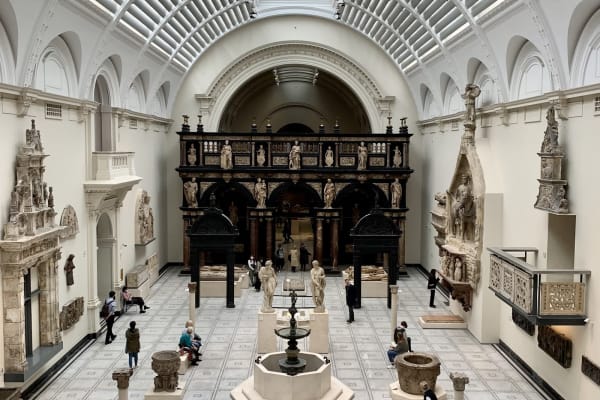
Culture enthusiasts will find a rich terrain here. Museums, galleries, specialised bookstores, temporary exhibitions, and creative scenes remain easily accessible.
The charm lies in the simplicity of the days. A morning of art can seamlessly transition into lunch, a stroll, some shopping, and then a return to tranquillity.
The proximity of luxury boutiques adds another dimension. In Chelsea, shopping is also about the aesthetic, the materials, the objects, and both British and international signatures.
The neighbourhood invites less to a rush than to a measured pace. One takes the time for a coffee, a detour down a quiet street, a pause in a garden, or a carefully reserved dinner.
This temporal approach suits travellers who wish to feel the city without exhausting themselves. It also explains the attachment of London regulars to Chelsea.
In this context, The Chelsea Townhouse offers a peaceful anchor. It provides calm after each outing, whether for a romantic getaway, solo adventure, or business trip.
Chelsea also resonates with French travellers. Here, one finds a blend of classicism and modernity, poise and creativity, prestige and discretion.
Booking via MyConciergeHotel
Booking The Chelsea Townhouse through MyConciergeHotel means approaching this address methodically. A stay is planned in advance, according to your pace and your way of experiencing London. In Chelsea, the difference often lies in good timing, understanding the neighbourhood, and anticipating practical needs.
The Chelsea Townhouse does not cater to all travellers in the same way. For some, it will be a peaceful refuge after a day of museums and shopping. For others, a base for London meetings. For yet others, an intimate setting for a romantic getaway. This nuance helps in choosing dates, the duration of the stay, and the rhythm of the itinerary.
Anticipation is particularly important in Chelsea. The neighbourhood attracts a loyal international clientele, sensitive to the quality of the location and its residential atmosphere. During peak demand periods, the most interesting options quickly diminish. Booking several months in advance allows for a genuine choice. This is especially useful if the stay includes restaurants, exhibitions, meetings, or events.
MyConciergeHotel also provides tangible assistance beyond the room. The Chelsea Townhouse makes the most sense within a well-thought-out itinerary. Simplified arrival, luggage management according to flight schedules, a first lunch in the neighbourhood, cultural addresses within walking distance or a short journey, boutiques, tea rooms, restaurants, or seasonal walks. This assembly brings coherence to the stay.
For French-speaking clients, this support also brings clarity. London is easily accessible, but sometimes complex in its customs, distances, and abundance of options. Being guided in choosing the address, timing, and priorities helps avoid classic mistakes. Overloaded schedules, poorly distributed reservations, and miscalculated travel times. In Chelsea, this accuracy matters.
Choosing The Chelsea Townhouse is not just about booking a five-star hotel in London. It is about seeking a calm, elegant, and well-located setting, with the spirit of a Relais & Châteaux member address. This coherence deserves careful preparation. The hotel, the neighbourhood, and the programme must resonate with one another.
To fully enjoy this address, it is advisable to book early, specify the nature of the stay, and refine the details before arrival. In London, especially in Chelsea, the most convincing luxury is often that which has been well prepared.