History & Identity
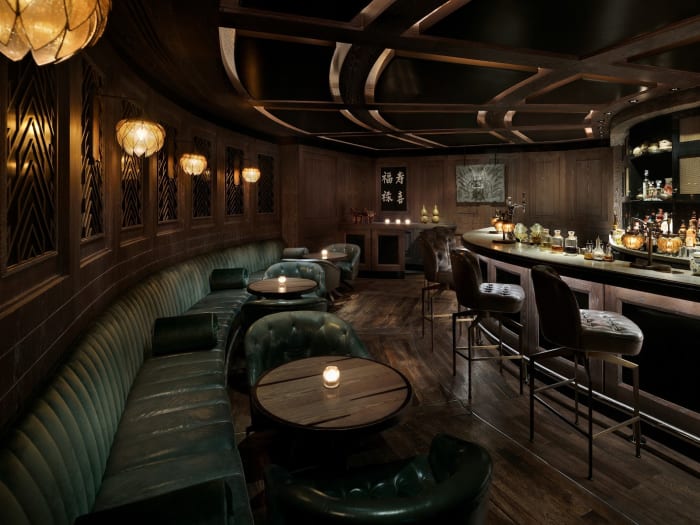
The Rosewood Abu Dhabi is a key player in the transformation of Abu Dhabi into the cultural, economic, and diplomatic capital of the Gulf. Its luxury is contemporary, characterised by clean lines, generous volumes, discreet technology, attentive service, and structured light that shapes the overall experience. This address reflects a city sculpted by international ambition, a sense of representation, and the art of hospitality.
Belonging to Rosewood Hotels & Resorts provides a clear lens through which to understand its identity. The brand prioritises atmosphere, bespoke service, and understated sophistication. At the Rosewood Abu Dhabi, this philosophy manifests in an urban and maritime expression. The hotel gazes over the city while opening up to the water, welcoming business travellers, couples, and families alike. It also serves as an anchor point for discovering the capital.
Abu Dhabi has developed a hospitality scene of the highest calibre, supported by modern infrastructure and an expanding cultural landscape. In this context, the Rosewood occupies a clear position as a contemporary grand hotel designed for a discerning international clientele. Continuous reception, 24-hour concierge services, nightly turndown, daily maintenance, and multilingual staff contribute to a seamless stay.
The establishment's identity also lies in its interpretation of local luxury. In Abu Dhabi, space, views, order, and serenity are paramount. The modern and elegant decor enhances this culture of hospitality, with clear circulation paths, high-quality materials, mastery of light, and the tranquility of communal spaces playing essential roles.
The hotel embodies a maturity in luxury hospitality in Abu Dhabi. It is an address in tune with its time, its city, and its audience, harmonising with its own context: a capital looking towards the future, bordered by the sea, and structured by modern neighbourhoods. For the traveller, this translates into a coherent, legible, and comfortable experience.
The Establishment
Staying at the Rosewood Abu Dhabi means choosing a location that combines urban centrality with maritime breathability. Situated in the heart of Abu Dhabi, the hotel offers sea views and easy access to local attractions. In a capital where distances can quickly extend, a prime location transforms the experience of one’s stay. Business meetings, sightseeing, leisurely strolls, and moments of relaxation flow seamlessly together.
The architecture and communal spaces extend this logic. The modern and elegant setting is expressed through fluid volumes, contemporary lines, and thoughtfully designed lighting. In the morning, the hotel serves as an efficient base for an active clientele. By late afternoon, it adopts a more contemplative tone, enhanced by the views and reflections.
The relationship with the sea plays a crucial role here. In Abu Dhabi, water structures the city experience. A maritime view adds depth, openness, and visual calm, counterbalancing the intensity of a business stay or a packed itinerary. It also serves as a reminder of the capital's insular and coastal character.
The hotel caters to multiple uses without opposition. Business travellers find clarity, efficiency, and service availability. Couples appreciate the elegance of the setting and the ease of arranging a dinner, a spa moment, or a private interlude. Families benefit from a comfortable and central environment that minimises travel time.
What particularly distinguishes the Rosewood Abu Dhabi is its ability to create a sense of order. Luxury here derives as much from the quality of finishes as from the calm of operations. The communal spaces contribute to this sensation, with circulation, seating, the intimacy of certain corners, and openness to views creating an immediately habitable environment.
The Rosewood Abu Dhabi is not just a well-located hotel; it is a place that allows one to understand the city from a balanced perspective. Central enough to stay connected to its main points of interest, yet open enough to the sea to preserve a sense of escape. Contemporary enough to meet international standards, and attentive enough in service to avoid any impersonal luxury.
Rooms and Suites
In a hotel of this calibre, the room is never merely a transient space. It must cater to a variety of different needs: recuperation after a long-haul flight, preparation for a day of meetings, a moment of relaxation, or a family stay. At Rosewood Abu Dhabi, the rooms and suites are appreciated for this versatility. Luxury manifests itself in immediate comfort and ease of use.
The first striking element is the relationship to the view. The opening onto the sea is a significant advantage for the categories that benefit from it. In a city where the light can be very intense, the way a room frames the outside world is crucial. A beautiful view adds depth to the interior space, creating a visual rhythm and instilling a sense of breathability. Upon waking or returning at the end of the day, the presence of water provides a soothing counterpoint to the city's energy.
The modern and elegant decor places everything within a sober and contemporary aesthetic. The materials, textures, and lighting are designed to endure and not fatigue the eye. The aim is not to create a spectacular effect, but to achieve precision. Well-proportioned furniture, pleasant surfaces, high-quality bedding, useful storage, and a bathroom designed as an extension of comfort are all invaluable during longer stays. This composition makes the room livable, rather than merely impressive.
The suites adhere to a different grammar. They offer more space, a clearer separation between functions, and an enhanced capacity to host a private moment or an informal meeting. For business travellers, this configuration makes a noticeable difference. For couples, it adds a residential dimension. For families, it allows for a more serene organisation of rest periods.
Service plays as important a role here as the layout. Daily housekeeping, turn-down service, 24-hour reception, continuous concierge service, luggage handling, and laundry create a highly flexible environment. Guests can adjust their stay almost in real-time. This is essential for international clients, whose schedules may be irregular, needs variable, and plans evolving. A good room becomes excellent when it is supported by a service infrastructure that anticipates without complicating.
Ultimately, the rooms and suites at Rosewood Abu Dhabi are envisioned as retreat spaces aligned with the spirit of the hotel. Contemporary, elegant, functional, and, where possible, open to the sea. They offer less in terms of decorative theatricality and more in terms of a very tangible quality of stay. This is often what seasoned travellers seek: a place where one sleeps well, prepares easily, finds calm, and where every detail lightens the journey.
Dining
In a prominent urban address in the Gulf, dining plays a significant role in the identity of the place and its daily rhythm. At the Rosewood Abu Dhabi, the gastronomic experience follows this logic of controlled plurality. A structured breakfast, efficient lunches, more relaxed evenings, and meals served in the comfort of one’s room.
In the morning, breakfast plays a central role, accompanying the transition from room to city. The best hotels strike a balance between abundance and clarity. International offerings, lighter options, carefully prepared beverages, and attentive service that is not intrusive. For business travellers, it often serves as a useful moment. For couples or families, it can be the only extended time shared before heading out to explore Abu Dhabi.
At lunch and dinner, the table of a five-star establishment like the Rosewood caters to various needs. One can organise a business meeting there, enjoy a quick lunch without sacrificing quality, or extend the evening in a more intimate setting. Luxury here lies in the precision of execution: a pleasant room, controlled acoustics, service at the right tempo, and cuisine designed for an international clientele. In a cosmopolitan city like Abu Dhabi, this flexibility is essential.
The presence of the sea and the openness to the city also influence the perception of dining spaces. A view, even a partial one, alters the dining experience, adding depth and situating the moment within a landscape. In well-designed contemporary hotels, this relationship between interior and horizon enhances the pleasure of dining. One does not come merely to eat; one comes to inhabit a setting, slow down, and regain visual and sensory comfort after a busy day.
Personalised service takes on particular importance at the table. It is what transforms a correct meal into a seamless experience. An attentive team knows how to recognise habits, adapt to time constraints, guide without imposing, and manage specific requests. In an international hotel, this continuity is invaluable. It reassures, simplifies, and creates a sense of being anticipated.
Finally, room service often plays a significant role in large urban hotels. After a late arrival, between calls, or to enjoy the calm of one’s room, it provides a very tangible comfort. This extends the overall idea of the Rosewood Abu Dhabi: to offer a sophisticated yet adaptable setting. The dining experience thus becomes more than just a service; it becomes part of an art of staying that is tailored to one’s mood, agenda, or desire to remain sheltered from the world for a few more hours.
Spa & Wellness
In Abu Dhabi, wellness holds a special place. The climate, light, time zone differences, and the intense pace of stays make recovery time precious. The spa is one of the hotel’s main attractions.
In a contemporary five-star hotel, the wellness experience is built upon a promise of transition. Guests come to slow down, rebalance their bodies after travel, and regain a deeper breath. The best urban spas address concrete needs: to unwind after a night flight, release the tensions of a day full of meetings, enjoy a moment for two, or take a break between visits.
Luxury does not solely depend on decor or the technicality of treatments; it lies in the venue's ability to produce a perceptible change in state in a short time.
The modern and elegant setting of the hotel enhances this experience. The spa naturally extends this philosophy, with clear lines, a subdued atmosphere, controlled lighting, and soft materials creating a sense of retreat. In a large city, this sensation is essential, adding depth to the treatment.
Personalised service takes on full meaning here. A good hotel spa does not merely offer a treatment menu; it knows how to guide, listen, and adapt. Some travellers seek targeted recovery, others prefer a more enveloping ritual, while some want a brief but effective moment. The quality of the welcome, the precision of recommendations, and the fluidity of the experience are just as important as the treatment itself.
Wellness in a hotel like the Rosewood Abu Dhabi extends beyond the spa. It continues in the room, through the quality of sleep and turndown service. It is present in communal spaces designed for comfort, and it is reflected in the dining experience and the availability of staff. True contemporary luxury often lies in the impression that everything contributes to enhancing your energy.
For a couple, the spa can become the discreet centre of their stay. For a business traveller, it helps regain physical and mental availability. For a family, it offers each member a moment of solitude. In all cases, it contributes to a very current definition of the grand hotel: a complete environment capable of supporting the various states of the traveller. In Abu Dhabi, this wellness dimension is not ancillary; it is structural.
Concierge & Services
The true measure of a great hotel often lies in what it makes possible. At the Rosewood Abu Dhabi, personalised service guides the entire stay.
In an international establishment of this calibre, amenities are crucial. However, it is their orchestration that makes the difference. A 24-hour reception, continuous concierge service, daily room service, turndown service, luggage storage, laundry, wake-up calls, and multilingual staff create a coherent ensemble.
For the business traveller, this organisation is essential. Arrivals and departures can be unconventional. Meetings may extend beyond their scheduled time. Logistical needs can change at the last minute. Knowing that the hotel operates around the clock with the same level of attention transforms the experience.
For leisure travellers, the concierge plays an equally important role. It streamlines the stay. Arranging a transfer, adjusting an itinerary, scheduling a spa moment, or managing luggage simplifies the journey.
The multilingual staff also deserves special mention. In Abu Dhabi, this skill directly contributes to the precision of service. Being understood effortlessly, articulating a request with nuance, or receiving a clear explanation reduces friction during the stay.
The turndown and daily maintenance services remain tangible markers of attentiveness. They restore the room to its utmost comfort each day. Laundry and luggage services become particularly significant during multi-stop stays, business trips, or late departures.
Thus, the Rosewood Abu Dhabi champions a contemporary vision of service. Present, yet unobtrusive. Precise, yet flexible. Available, yet without theatrics. An approach that allows one to navigate a thoughtfully designed environment with ease.
The Abu Dhabi way of life
Choosing a hotel in the heart of Abu Dhabi also means choosing a particular way of inhabiting the city. The capital of the United Arab Emirates is not best discovered through constant agitation; it is better understood in sequences, between major contemporary axes, openings on to the sea, cultural institutions, planned promenades and addresses where one takes time. Thanks to its central location and easy access to local attractions, Rosewood Abu Dhabi allows precisely that more nuanced reading of the destination.
Abu Dhabi has a distinct identity within the Gulf landscape. More institutional than some of its neighbours and often perceived as more composed, it combines assertive modernity with a marked sense of space and measure. Visitors find less a city of saturation than a capital of breathing room. Its perspectives are broad, newer districts remain in dialogue with the shoreline and the presence of water returns constantly as a guiding thread. Staying in a hotel with sea views deepens that understanding of the city: one perceives more clearly its relationship with climate, light and horizon.
The recommended period between October and April is not incidental. This is when Abu Dhabi is at its most pleasant on foot or on a terrace, when temperatures become milder and the city reveals more fully its outdoor dimension. Walks then take on particular importance. One can move easily between visits, meetings, pauses in public spaces, moments by the water and returns to the hotel. That fluidity is one of the great pleasures of a successful stay here: not having to choose between activity and comfort, between discovery and retreat.
For couples, Abu Dhabi offers an especially interesting setting because it combines urban elegance with a sense of escape. A dinner with a view, time at the spa, a cultural outing, then a return to a calm room opening on to the city or the sea: the destination lends itself to a form of contemporary romance, less demonstrative than certain beach resorts, but often more subtle. For families, the city has the advantage of clear organisation, quality infrastructure and a rhythm that can remain comfortable if one chooses the right base. For business travellers, meanwhile, it allows a professional agenda to be complemented by genuine quality of stay.
The value of a hotel such as Rosewood lies precisely in serving as an interface between these dimensions. Abu Dhabi can be experienced from here without dispersion. In the morning, the city appears as a territory of opportunity and movement. By evening, it becomes once again a landscape of light, sea and relative calm. That alternation forms part of its way of life. It also explains why many travellers return with a subtler perception of the destination than the one they had before arrival.
At heart, Abu Dhabi appeals through its sense of control. Nothing seems improvised, yet nothing imposes a single reading either. One may come for culture, business, rest, dining, wellbeing or simply a very comfortable urban stay in a milder climate during the season. Rosewood Abu Dhabi fits perfectly within that logic. It does not claim to summarise the city; rather, it offers a balanced vantage point from which to approach it: central, elegant, open to the sea and flexible enough to accompany very different desires. That is often the best way to discover a capital: from an address that follows its rhythm without ever imposing it upon you.
Book via MyConciergeHotel
Booking the Rosewood Abu Dhabi through MyConciergeHotel means preparing a tailored stay that aligns with the traveller's profile and the rhythm of Abu Dhabi. An establishment of this calibre should not be chosen based on a photograph or a promise of comfort. The quality of the experience often hinges on specific details: the timing of the trip, the type of view, the balance between obligations and leisure, interest in the spa, duration of the stay, and arrangements upon arrival.
The first consideration is the season. The ideal period extends from October to April, when the climate is milder. This factor influences not only the comfort of the stay but also the way one experiences the hotel and the city. During this time, views of the sea, travel, outings, and moments of relaxation take on a special significance. Booking early allows for a more precise selection of the desired room category, especially during peak demand periods.
The second consideration pertains to the style of travel. For a couple, a room or suite that enhances the atmosphere, view, and carefully chosen highlights is preferable. For a business trip, the focus will be on securing a seamless experience, with a straightforward arrival, services available at all hours, and an environment conducive to recovery. For a family, the overall organisation, central location, and the hotel's ability to simplify daily activities will be paramount. In all cases, the benefit of concierge assistance lies in this nuanced understanding of needs.
The spa deserves particular attention. Booking upon arrival can even be anticipated in advance if wellness is part of the stay. This detail often transforms the experience. Rather than being at the mercy of remaining availability, one can structure their schedule around the moments they wish to preserve. This logic also applies to transfers and specific preferences.
Booking through MyConciergeHotel seeks to provide clarity. In luxury hospitality, an abundance of information does not guarantee the relevance of the choice. What matters is connecting the characteristics of the establishment to the reality of the stay: central location, sea view, modern and elegant setting, personalised service, and easy access to local attractions, with services available 24/7. Good advice does not add to the discourse; it removes uncertainty.
The Rosewood Abu Dhabi is suited for travellers who wish to combine high comfort, urban efficiency, and a sense of openness. It serves as a base for exploration or a well-organised refuge. By booking through MyConciergeHotel, the aim is to calibrate the experience: choosing the right moment, the right pace, and the right priorities. In Abu Dhabi, the quality of the stay greatly depends on the fluidity of the overall experience. This preparation makes all the difference.