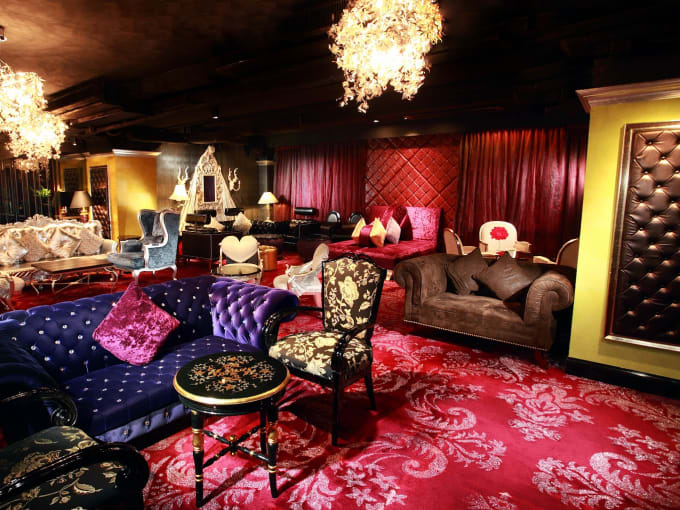
In China, the Small Luxury Hotels of the World segment resonates uniquely. The country combines fast-paced megacities, imperial legacies, cosmopolitan ports, and vibrant local creative scenes. In this context, charming independent hotels provide a more nuanced perspective on travel. They favour a human scale, a strong identity, and a more direct connection to the neighbourhood. Whether for a city break in Beijing, a pause in Shanghai, a stopover in Chengdu, or an escape to Hong Kong, this format meets a clear expectation. Many travellers seek less standardisation and more character. It is precisely here that hotels like Hotel Eclat Beijing, The Sukhothai Shanghai, The New Jingli Hotel, The Luxe Manor, or Lanson Place Causeway Bay find their niche.
At MyConciergeHotel, we never view a ranking as a mere tally of stars. For this selection, we first consider the genuine independence of the establishment and its alignment with the SLH spirit. We then assess the uniqueness of the design, the clarity of the positioning, the perceived quality of service, and the local grounding. The city also matters. A small hotel serves a different purpose in Hong Kong, where space is scarce, than in Chengdu, where one might seek a more heritage-focused experience. We also observe an establishment's ability to offer a complete experience without sacrificing intimacy. Notably, our method prioritises sustainable personality. It rewards neither fleeting trends nor mere international reputation.
The landscape of independent boutique hotels in China is more varied than one might imagine from Europe. In Beijing, a hotel can engage with contemporary art and the energy of a business district. In Shanghai, it may embody a more subdued urban luxury, designed for mixed stays between meetings and personal time. In Chengdu, the focus often shifts to more narrative spaces that can convey regional culture without overt folklore. Hong Kong, for its part, remains a fascinating laboratory. Here, one finds compact hotels, ideally located, where personalised service compensates for the city's density. This ranking reflects this diversity. It does not seek a single model of the Chinese boutique hotel but rather showcases several credible ways to embody independent charm.
For 2025 and 2026, several trends are clearly shaping this segment. The first is a return to more intentional stays. Travellers want to understand where they are sleeping and why this address exists here rather than elsewhere. The second concerns design. Overly ostentatious signatures are giving way to more sustainable, tactile, and rooted choices. The third relates to service. Expectations are no longer solely about efficiency; they encompass remembering preferences, fluid communication, and the ability to personalise without overplaying familiarity. Our advisors also note the growing importance of hotels capable of serving multiple purposes. A couple on a getaway, a solo traveller, and a business executive can now seek the same address if it combines tranquillity, location, and a clear identity.
This selection also embodies a certain idea of French luxury. Not a showy luxury, but one of precision. A beautiful address does not need to overdo it to convince. It must first deliver on its promise. The welcome should be precise. Spaces should be designed for living, not just for being photographed. Comfort should be evident in the details, circulation, acoustics, sleep quality, and ease of use. In the realm of independent Chinese hospitality, this demand takes on a very interesting form. It combines with local sensibilities, varied architectural references, and a finer attention to the real pace of the traveller. My advice is simple. Seek the hotel that resonates with you in its way of inhabiting the city, not just in its aesthetics.
Thus, this ranking should be read without the reflex of an absolute podium. The number one spot is not the only good choice. It corresponds to a combination of editorial criteria, a moment in the market, and a promise of experience. A very urban, highly designed, and centrally located hotel may rank above a more residential address without being better for all profiles. Similarly, a more discreet establishment may be more suitable for a couple's stay than for a business trip. We value this nuance. It respects both hotels and travellers. In the SLH universe, the interest lies precisely in the differences of tone, rhythm, and scale. This ranking distinguishes five credible addresses in China. It does not erase the richness of the segment but helps to make it more comprehensible.
Now, let us present the Top 5. Here, you will find hotels that share a common commitment to independence and character, each offering a distinct interpretation of the stay in China.