In the realm of luxury hospitality, few brands are as consistent as Bulgari Hotels & Resorts. The brand translates its jewellery language into urban and seaside locations, doing so without overt Italian folklore. Instead, it favours a grammar of materials, lines, and proportions. Marble, dark wood, bronze, dense textiles, and soft lighting create an immediately recognisable decor. This identity appeals to a clientele that travels extensively, one that is already familiar with grand houses, historic palaces, and iconic resorts. They seek something different here: a design-centric address, often centrally located, discreet in attitude yet bold in presentation. This is what makes this ranking relevant today.
At MyConciergeHotel, we do not rank a brand solely on its reputation. We first observe the coherence of the collection, then assess the strength of each location. A Bulgari address serves a different role in Milan, Rome, Paris, London, Dubai, Tokyo, or Bali. Our advisors evaluate the quality of the overall experience, which includes architecture, spatial clarity, privacy levels, the relevance of the location, and the service's ability to meet high expectations. We also consider concrete indicators, such as the Palace status in France. The reputation of Bulgari spas is significant as well, and the place of Italian gastronomy in the experience ultimately weighs in the decision.
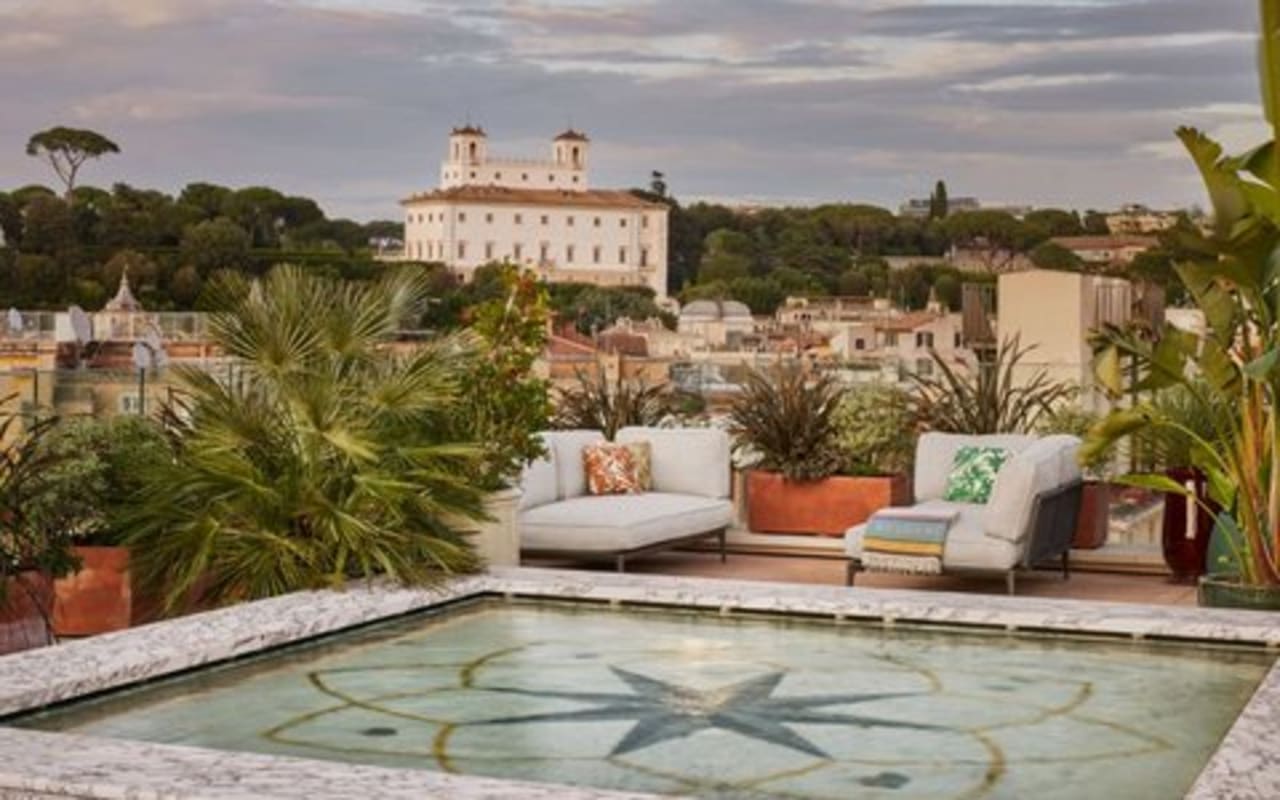
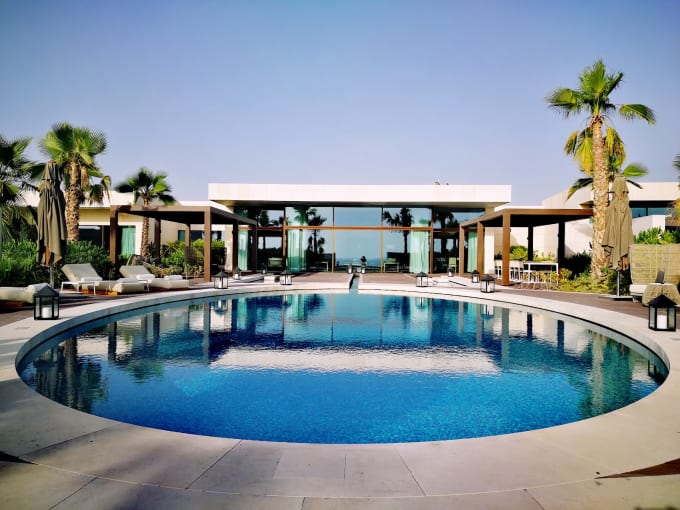
The panorama of this selection reveals a brand less uniform than one might think. In Paris, Bulgari Hotel Paris and Bvlgari Hotel Paris embody a very couture interpretation of the urban stay, with the Parisian setting enhancing the brand's precision. In London, Bulgari Hotel & Residences London, Bulgari Hotel London, and Bvlgari Hotel London extend this idea into a more residential register, where the relationship to Knightsbridge alters the perception of luxury. In Milan, Bulgari Hotel Milan remains a logical reference, as the city speaks the same language of fashion and design. In Rome, Bulgari Hotel Rome, Bulgari Roma, and their Roman roots provide a unique heritage depth. Dubai, Tokyo, Bali, Beijing, Shanghai, and even Moscow illustrate how the collection adapts to diverse clientele, rhythms, and landscapes.
For 2025 and 2026, several trends reinforce the appeal of this collection. The first is the resurgence of long urban stays, with affluent travellers now combining business, shopping, art, and wellness in a single trip. Hotels that can offer a robust spa, distinctive dining, and well-designed suites gain an advantage. The second trend is the search for sustainable interiors in style; discreet luxury does not mean austerity but rather materials that age well and designs that withstand fleeting trends. Antonio Citterio remains a central reference in the brand's perception. Finally, the third trend concerns privacy. Our advisors note that UHNWI clients favour homes where everything can be arranged without excessive theatrics. Bulgari often responds well to this expectation.
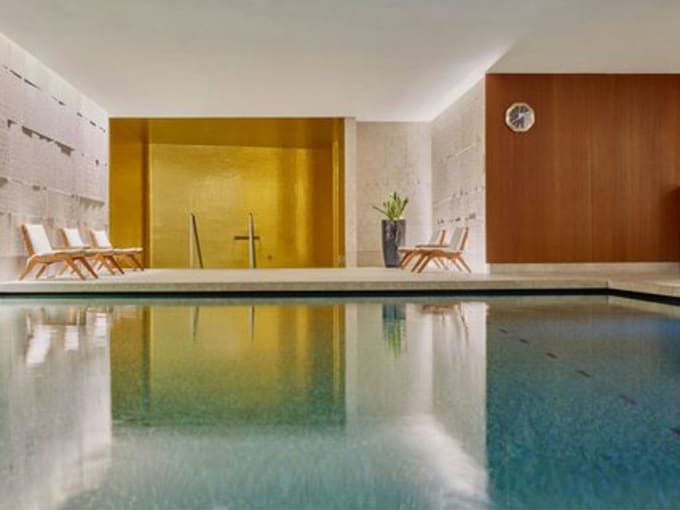
This ranking also reflects a certain idea of European luxury. It is not solely Italian, even though the Roman DNA of the house remains the starting point. It encounters a French sensitivity to detail, rhythm, and measure. True luxury in these hotels is not a mere accumulation of signs; it is a sensation of accuracy. A lobby does not seek to impress at all costs; it establishes a tone. A suite does not multiply effects; it creates a continuity between rest, private reception, and discreet work. A spa is not just a facility; it becomes a place of respite in a busy agenda. It is also worth noting that Italian gastronomy often plays a structuring role, adding warmth to highly architectural environments.
Finally, it is essential to explain how to read this ranking. It is not a universal verdict; each hotel serves a specific purpose. Some are better suited for a first stay in a capital, while others are designed for regulars who wish to avoid overly exposed addresses. Some excel due to their local anchorage, while others charm with their international consistency. We are not seeking the perfect hotel; it does not exist. We are looking for the most compelling address within its context. This is a crucial nuance, allowing us to understand why a Parisian palace can coexist with a resort in Dubai or a retreat in Bali within the same ranking. My advice is simple: read this ranking according to your travel style, not an abstract hierarchy.
The rest of the ranking now delves into detail, showcasing the major capitals of the collection, its most confidential addresses, and its most strategic locations. Each deserves a contextual reading.