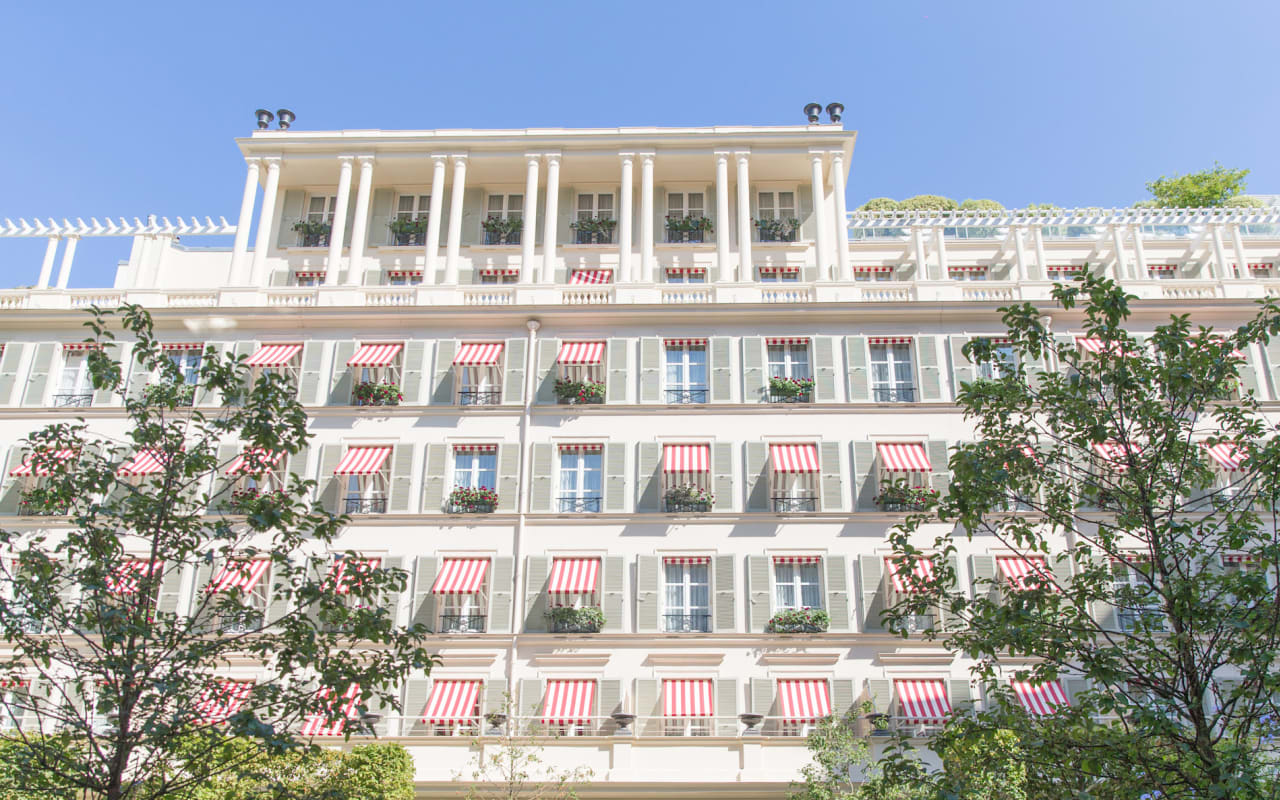
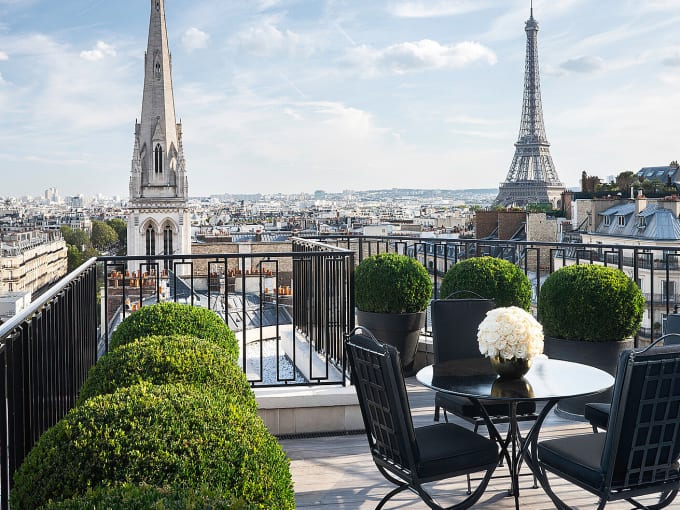
In Paris, the 8th arrondissement embodies a very specific idea of luxury hotels. It unfolds between monumental avenues, private mansions, historic institutions, and contemporary addresses. Here, luxury is not merely a matter of surface or prestige; it is rooted in an urban grammar. One can stay near Avenue Montaigne, Place de la Concorde, Faubourg Saint-Honoré, or the Étoile. The area is a hub of fashion houses, galleries, diplomatic missions, and destination restaurants. For the discerning traveller, this perimeter offers a distinct advantage: it allows for an immersive experience of Paris without distraction. The palaces of the 8th cater to various needs—whether for a fashion-focused stay, a cultural weekend, a business meeting, a wellness retreat, or a grand celebration. It is precisely this density of uses that makes this ranking valuable.
At MyConciergeHotel, we do not view a palace as a mere accumulation of stars. We first observe the structural facts: the Palace distinction, brand consistency, exact location, perceived quality of spaces, service coherence, spa appeal, decor strength, and relevance for different profiles. We also consider how the hotel fits into its neighbourhood. A palace in the 8th makes different promises depending on whether it overlooks the Champs-Élysées, Concorde, or an inner garden. What our advisors observe is also significant: the fluidity of arrivals, staff discretion, suite quality, sleep comfort, concierge efficiency, and the atmosphere of common areas. An editorial ranking serves as guidance; it does not replace personalised advice.
The landscape of the 8th is more varied than it appears. Some establishments carry a long Parisian history, such as Hôtel de Crillon, Hôtel Le Bristol Paris, or Four Seasons Hotel George V. Others embody a more contemporary interpretation of a palace, with Bulgari Hotel Paris being the clearest example, featuring a more design-oriented vocabulary and a very fashionable international clientele. La Réserve Paris – Hotel and Spa offers a more intimate scale, while Royal Monceau Raffles Paris leans towards a gallery spirit and cultural life. Plaza Athénée Paris remains synonymous with Avenue Montaigne and haute couture, and Prince de Galles upholds a recognised Art Deco identity. Even a five-star hotel like Hôtel de Sers reminds us that nuances matter between palaces and grand hotels.
For 2025 and 2026, several trends are emerging in this segment. The first concerns intimacy. Even in very large establishments, travellers seek more discreet experiences: subtle entrances, suites designed for longer stays, comprehensive in-room services, flexible hours, and private experiences. The second trend relates to wellness. The spa is no longer just a visual accessory; it has become a central criterion for choice, on par with location. Usable pools, well-sized treatment rooms, clear rituals, and serious fitness facilities are now essential. The third trend is aesthetic clarity. Clients desire hotels with a distinct identity—whether it be a classic heritage, Italian modernity, couture spirit, Art Deco lines, or a residential atmosphere. Lastly, while dining remains important, it is no longer the sole driving force; the overall stay takes precedence.
French luxury in the 8th is not merely about ostentation; it is based on a sense of measure. A convincing Parisian palace knows how to create an impression of exception without unnecessary distance. This is achieved through concrete details: a door that opens without delay, a lounge where one can genuinely relax, a suite with a logical layout, impeccable bedding, a view that tells the story of the city, and a team capable of understanding the purpose of the visit. Paris excels when the ceremonial remains light. In the finest establishments of the 8th, the service does not aim to impress constantly; it seeks to hit the mark. My advice is simple: do not choose merely a reputed address; choose a way of experiencing Paris, as each palace in the area offers its own rhythm.
It is also important to approach this ranking without a reflex for superlatives. Being number one does not negate the qualities of number six. In the realm of palace hotels, hierarchy always depends on the traveller. Some prioritise history and grand spaces, while others seek a strong spa, a more contemporary atmosphere, or a discreet address. One establishment may be ideal for a first-time visitor to Paris, while another may suit a regular seeking privacy. A third may be perfect for fashion week or a significant birthday. Our role is not to create a singular truth but to illuminate the real differences between exceptional establishments. It is essential to remember that this ranking highlights notable palaces in the 8th, but it should primarily help you identify the one that resonates with you.
Thus, the 8th arrondissement offers a rare concentration of the most structured Parisian hospitality. Between heritage, design, gastronomy, wellness, and location, each palace asserts a precise vision. In the following top selection, we have chosen six addresses that we believe are currently the most compelling for understanding what Parisian palaces can offer at their best in this district.