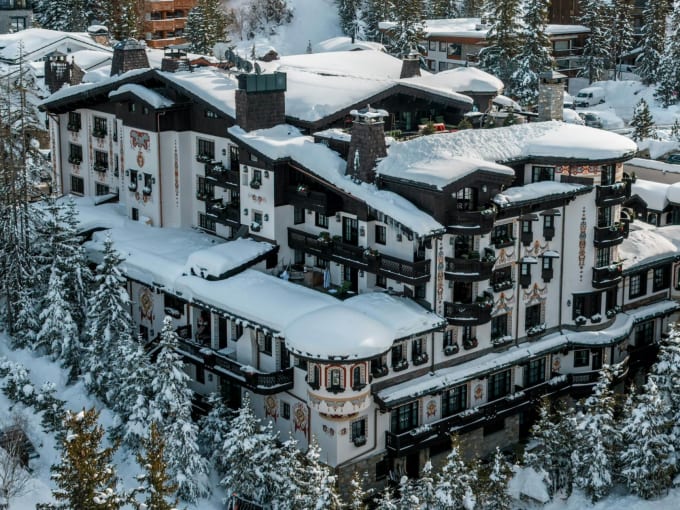
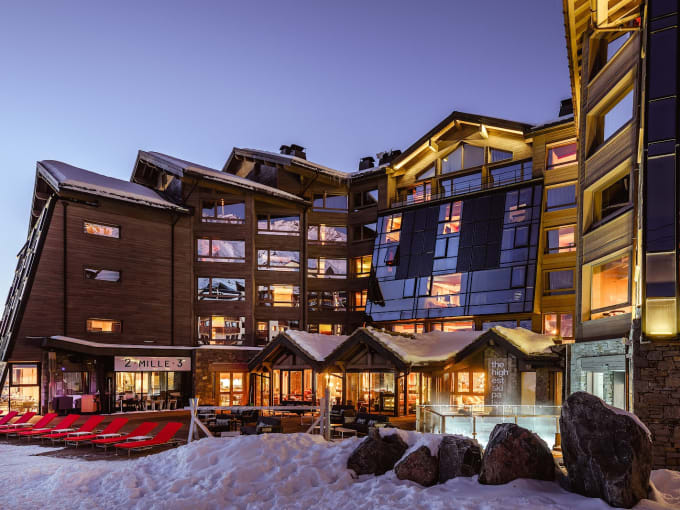
In France, a hotel at the foot of the slopes is no longer just a place to stay; it has become a central part of the experience. Guests seek immediate access to the ski area, of course, but they also expect a nuanced understanding of the mountains. The ideal establishment comprehends the rhythm of skiers, families, and visitors who come for both the altitude and relaxation. In this segment, France holds a unique position, bringing together signature resorts, top-tier hospitality, and a service culture inherited from prestigious establishments. Courchevel remains an obvious benchmark, featuring Cheval Blanc Courchevel, Les Airelles Courchevel, Le K2 Palace, L'Apogée Courchevel, Le Fouquet's Courchevel, and Alpes Hôtel du Pralong. However, the landscape extends beyond this. Megève, Val Thorens, and Évian offer alternative ways to embrace winter.
To establish this ranking, we first consider the actual relevance of the ski positioning. A hotel at the foot of the slopes must provide a tangible connection to the mountains, which involves location, ease of departure and return, and the coherence of the winter experience. We then assess the hotel standard, paying particular attention to Atout France Palaces and internationally recognised establishments. Yet, status alone is not enough. We also examine the clarity of the offering. A large ski hotel should be understandable at first glance; travellers must know why they are choosing it. What our advisors observe is the ability of an establishment to fulfil its promise. Courchevel does not evoke the same response as Megève, and Val Thorens is not experienced in the same way as Évian-les-Bains.
The French panorama reveals a richness of diversity that is often underestimated. Within the same ranking, we can include resort Palaces, wellness-focused addresses, and hotels that extend the snow experience without being strictly ski-in ski-out in the most literal sense. Four Seasons Hotel Megève offers a more residential and discreet interpretation of the mountains. Altapura, in Val Thorens, appeals more to travellers seeking altitude immersion and the energy of a large domain. Hôtel Royal Palace - Evian Resort reminds us that a winter stay can unfold between lake, mountain, and wellness treatments. Even Bulgari Hotel Paris, mentioned here as an urban counterpoint, helps to illuminate the topic. French hotel luxury is never merely about decor; it revolves around specific uses, distinct territories, and very different expectations depending on the travellers.
For 2025 and 2026, several trends are becoming evident. The first is the quest for fluidity. Clients desire less friction and more useful time, which translates to simplified arrivals, well-integrated ski services, and discreet logistics. The second trend is the resurgence of multigenerational stays. Mountain hotels must cater to expert skiers, beginner children, and adults who do not ski every day. The third is the growing importance of post-sport wellness. The spa is no longer an add-on; it has become a structural argument. Finally, we see an increasing expectation for character. Travellers are less inclined to judge solely by the number of stars; they want a hotel with a clear identity. It is important to note that the best ski hotel is not just the one that impresses; it is the one that appropriately supports the intended stay.
French luxury in the mountains is characterised by a sense of measure. It does not always seek effect; it often prioritises the clarity of well-executed service, a readable setting, and comfort that never tires the eye. In the French Alps, this philosophy takes on various forms. In Courchevel, it may be expressed through highly prestigious establishments, driven by a strong service culture. In Megève, it often reflects a gentler relationship with the village and a longer sense of time. In Val Thorens, it is manifested through the efficiency of a venue designed for an unadulterated snow experience. My advice is to view these hotels as interpretations of the same subject. All speak of winter, but not with the same voice. It is precisely this nuance that makes the ranking useful for discerning travellers.
It is also important to approach this ranking without a reflex for superlatives. A number one does not diminish the qualities of number twelve. Each hotel caters to a specific use, a personal season, and an idea of the stay. Some travellers want to hit the slopes first thing in the morning, while others prioritise the gastronomic scene, the spa, or the possibility of travelling in a group. Still others seek an iconic name, as the brand matters in their decision-making process. Our rankings are not intended to standardise these expectations; they serve to clarify them. That is why we emphasise the facts. Palace status, location, the reputation of the resort, and the coherence of the experience matter more than ready-made formulas. In the mountains, true luxury often lies in precision: knowing where you are sleeping, why you are sleeping there, and how it changes your stay.
Here then is our interpretation of the best hotels at the foot of the slopes in France. It prioritises location, consistency of service, and the accuracy of the alpine experience.