Travelling in Italy with children is no longer a compromise. The country now boasts hotels that can seamlessly blend setting, service, and family logistics. This is precisely what makes this segment so exciting. From the sea to the countryside, lagoons, and mountains, Italy offers very different responses to the same expectation. Families seek space, flexible rhythms, and genuine hospitality. They also want to avoid places that merely tolerate children without truly catering to their needs. In our selection, AKI Family Resort PLOSE embodies a dedicated approach. Borgo Egnazia, Castelfalfi, and Castello di Casole illustrate another path: that of the grand resort or estate, where the family experience is part of a broader hotel project.
At MyConciergeHotel, we do not rank family hotels solely based on the presence of a kids' club. While this criterion is important, it is never sufficient on its own. Our advisors first assess the clarity of the stay for parents. Room sizes, suites or villas, ease of meals, access to activities, and safety of movement are all significant factors. We also consider the hotel's ability to accommodate various ages. A good kids-friendly hotel is not just suitable for toddlers; it must also engage pre-teens and allow adults some breathing space. The context matters too. A Tuscan estate does not offer the same promise as an urban palace in Venice or Rome. Finally, we value establishments where the service remains precise without being rigid.
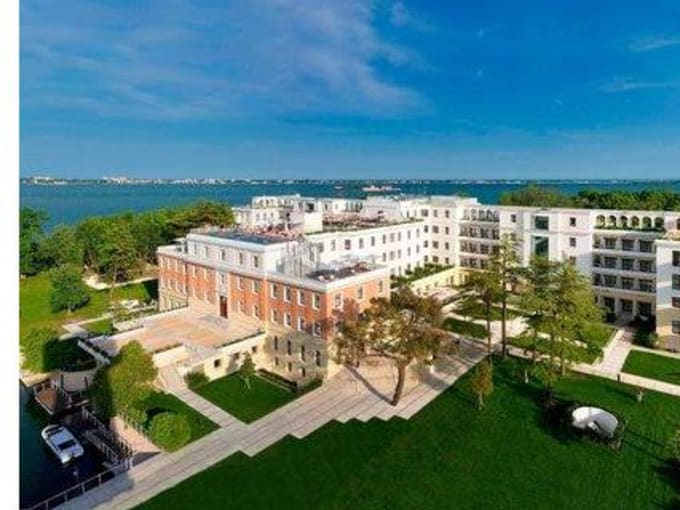
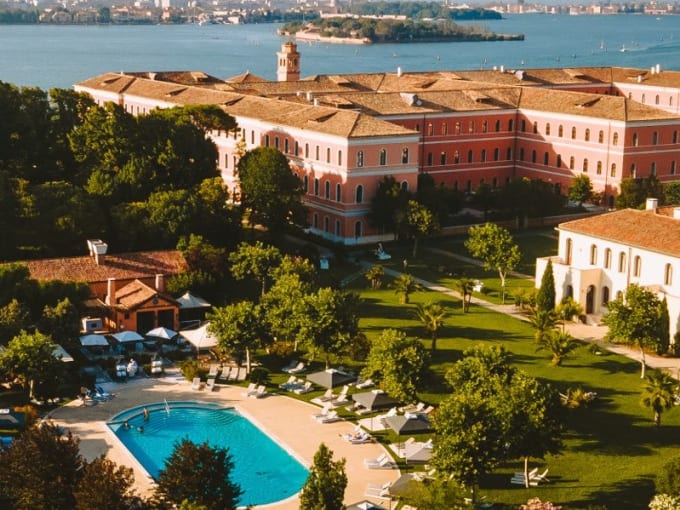
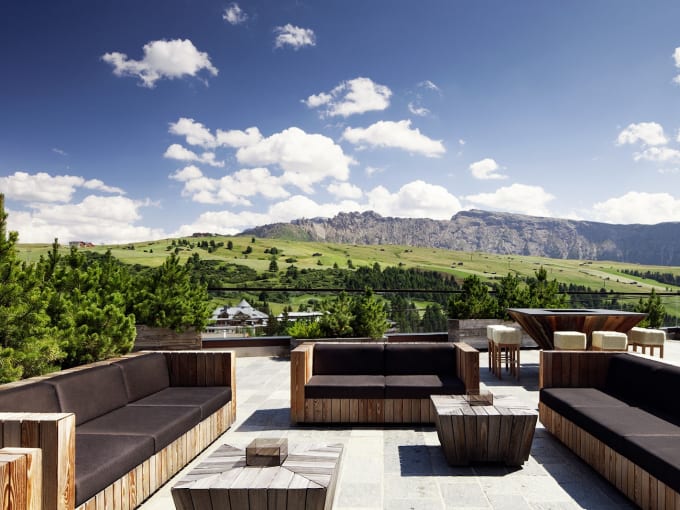
The Italian landscape is particularly rich, as it does not conform to a single model. In the Dolomites, AKI Family Resort PLOSE places family at the heart of the stay. In Tuscany, Castelfalfi, Castello di Casole, and Borgo Santo Pietro focus on space, nature, and the rhythm of the estate. In Puglia, Borgo Egnazia combines architecture inspired by Mediterranean villages with programming designed for multiple generations. In Sicily, Belmond Grand Hotel Timeo appeals more to families wishing to blend culture, views, and beach season. Venice, with Aman Venice or Belmond Hotel Cipriani, requires a more nuanced reading. The setting is exceptional, but family appeal largely depends on the children's ages, room format, and travel plans.
For 2025 and 2026, several trends are emerging in Italy. The first concerns multigenerational stays. Grandparents are increasingly travelling with their children and grandchildren, which encourages the use of connecting suites, villas, and private homes. The second trend relates to outdoor experiences. Families are seeking less in the way of entertainment accumulation and more in simple, well-supervised activities rooted in the location. Gentle mountains, vegetable gardens, workshops, thoughtfully designed pools, and access to nature take precedence over standardised entertainment. The third trend is that family luxury is becoming more understated. Parents desire a seamless service without excessive staging. This is where addresses like Bellevue Hotel & Spa, Borgo dei Conti Resort, or Borgo Santandrea can enter the conversation, depending on the profile of the stay.
Our perspective is shaped by a certain idea of French luxury. It prioritises accuracy over effect. For a family, this means teams capable of anticipating needs without infantilising. It also means spaces where everyone finds their place. Children should be welcomed, not sidelined. Parents should be able to relax, dine, or enjoy a spa without complicated mechanics. In Italy, this philosophy aligns with strong hospitality traditions. It expresses itself differently across regions. In Bressanone, the Alpine organisation promotes clarity. In Tuscany, the rural estate offers a rare sense of amplitude. In Savelletri, the sea and resort facilities create a more dynamic stay. It is important to remember that the best family hotel is not necessarily the one that offers the most; it is the one that truly simplifies life on-site.
This ranking should therefore be read as an editorial hierarchy, not as a universal verdict. A hotel that excels for six-year-olds may not be the most relevant for teenagers. An urban address may suit a short cultural stay but less so for a week-long holiday. Conversely, a large estate may seem ideal in summer but more specific out of season. We have also considered the overall coherence of each establishment. Brand reputation, geographical anchoring, and the ability to deliver a credible family experience have guided our choices. Aman Rosa Alpina, Bvlgari Hotel Roma, or Bulgari Hotel Milan may appeal to certain families. However, not all luxury hotels cater to family needs with the same clarity.
Here is our take on the best kids-friendly hotels in Italy. It highlights places where family is neither a marketing segment nor a concession, but simply a well-served reality.