Prague is often read through its spires, bridges, and Baroque façades. However, the city can also be understood through its dining scene. For a discerning traveller, the hotel experience is as crucial as the culinary one. The finest gastronomic hotels in Prague do not merely offer a restaurant; they orchestrate a rhythm for your stay. A serious breakfast, a business lunch, a destination dinner, a coherent wine cellar, precise service, and reliable timings. In a capital where history is omnipresent, gastronomy provides a contemporary interpretation of luxury. It connects heritage with real-world use. This is precisely what we value at MyConciergeHotel. A great hotel becomes memorable when its cuisine extends the essence of the place. In Prague, this dialogue works particularly well, between urban palaces, heritage addresses, and well-structured international establishments.
Our editorial perspective is grounded in concrete criteria. We first assess an hotel's ability to make dining a reason for booking. This involves the reputation of the restaurant, as well as its coherence with the hotel itself. An old palace conveys a different message than a large international brand. We then observe the quality of the service in the dining room. This is measured by consistency, clarity of the offering, and attention to the client's pace. The wine cellar, breakfast, and bar spaces also matter. Finally, we consider the Prague context: location, neighbourhood life, accessibility, and relevance for cultural or business stays. Thus, this ranking is not merely a list of restaurants; it is a selection of hotels where the gastronomic experience genuinely structures the stay.
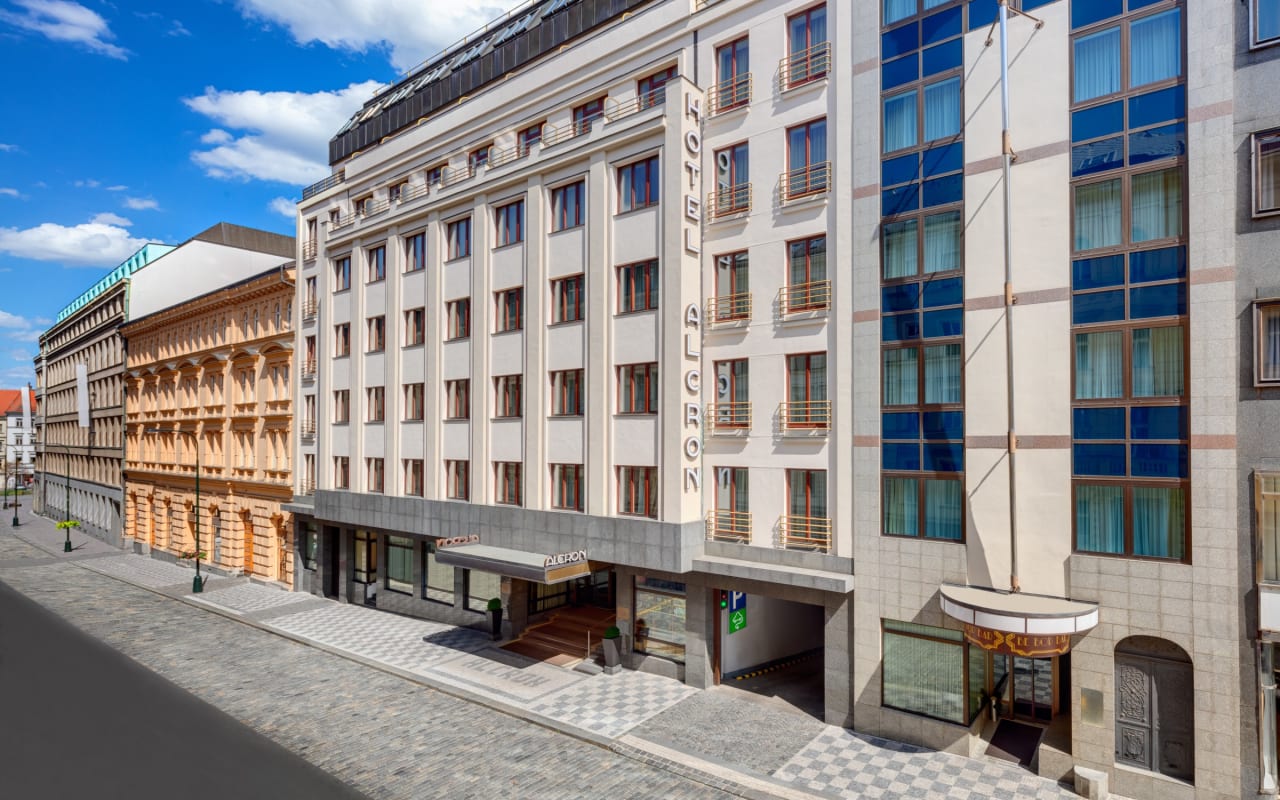
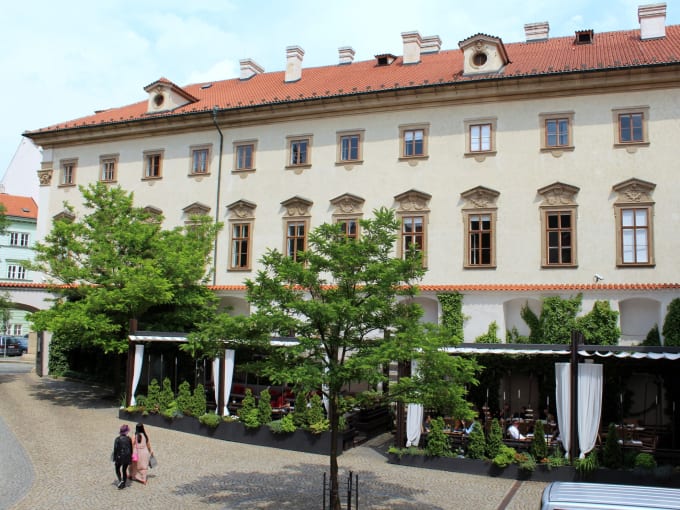
The four selected addresses showcase a rare diversity within a relatively compact urban area. Kempinski Hybernska evokes the idea of a grand city-centre hotel, set in a historic building and designed for an international clientele. Mamaison Suite Hotel Pachtuv Palace offers a more residential interpretation, with a particular connection to heritage and the river. Mandarin Oriental Prague brings the strength of a global brand, located in a unique monastic setting in Malá Strana. Finally, Almanac X Alcron Prague is rooted in a well-known Prague tradition among hotel dining enthusiasts, yet with a more contemporary identity. This panorama is significant. It reminds us that in Prague, hotel gastronomy does not follow a single model. It can be ceremonial or discreet, heritage-focused or urban, destination-oriented or integrated into a broader stay.
For 2025 and 2026, several trends are emerging in European gastronomic hospitality, and Prague is no exception. The first concerns clarity. Travellers want to quickly understand a hotel's culinary offering. A signature dish, a relevant bar, a well-crafted breakfast, without distractions. The second relates to the product. Shorter, seasonal, and better-sourced menus inspire more confidence. The third concerns usage. A grand hotel is expected to cater to various moments of life, not just dinner. An informal morning meeting, a bar break in the afternoon, a well-structured dinner in the evening. Finally, the decor is changing in status. It is no longer enough to be historic; the architecture, lighting, and acoustics must genuinely enhance the dining experience. In Prague, this demand is particularly evident in hotels housed in heritage buildings.
This selection also embodies a certain idea of luxury, akin to the French service culture. The luxury of hospitality, as we advocate, is not about accumulation; it is about precision. A fine hotel restaurant does not need to overdo it. It should be clear, well-maintained, welcoming, and consistent in its quality. The guest should feel a clear promise. They should also be able to adapt the experience to their journey: a celebratory dinner, a business meal, a late return after the opera, a couple's weekend, or a family stay. What our advisors observe is the ability of a hotel to remain precise in different contexts. In Prague, the best gastronomic addresses are those that can harmonise decor, service, and cuisine without excessive theatricality. The memory of the place matters, but the present usage matters even more.
It is also essential to explain how to interpret this ranking. It is not a definitive verdict on the city. Each hotel has its audience, its rhythm, and its way of expressing gastronomy. Some travellers will prefer a large international brand for its consistent service. Others will seek a more intimate palace, with a more direct connection to Prague's history. Some will want a table long identified by connoisseurs. Others will prefer a more residential experience, where the meal is part of a calm stay. Therefore, this ranking distinguishes profiles, not a single truth. It highlights hotels where dining genuinely impacts the overall experience. This is an important nuance. An excellent stay can exist without a strong gastronomic ambition. Here, we speak of addresses where the dining experience is integral to the reason for staying.
Before entering the Top 4, keep this simple idea in mind. In Prague, the best hotel gastronomic experience depends on the journey you envision. Historic centre, riverside, heritage neighbourhood, or iconic address, the right choice is always contextual.