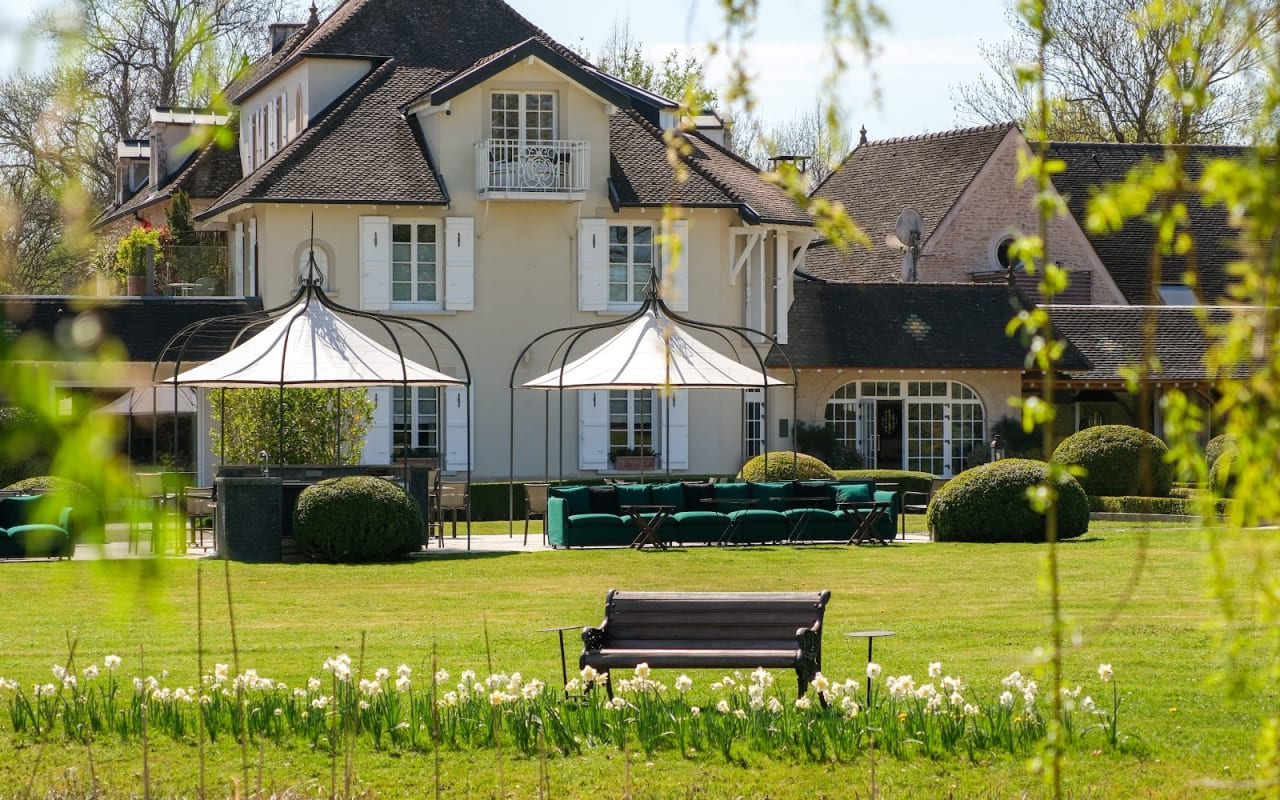
In Burgundy, a gastronomic hotel is never just about a renowned restaurant. It is embedded in a legible, dense, and immediately identifiable territory. Here, the wine route, the climats, the markets, the trading houses, and the villages create a coherent backdrop. The traveller comes to dine, of course, but also to understand a cultural landscape. Dijon provides urban and heritage momentum. Beaune plays the card of cellars, ramparts, and historic addresses. Levernois offers a greener breath, just minutes from the main roads. Gevrey-Chambertin reminds us that Burgundy's gastronomy is inextricably linked to its vineyards. In this context, Grand Hôtel La Cloche Dijon, Hostellerie Cèdre & Spa • Beaune, Hostellerie de Levernois, and Hotel Les Deux Chèvres, Gevrey-Chambertin embody four credible ways to experience the region through its cuisine.
To establish this ranking, we do not rely on a single criterion or mere reputation. We first observe the coherence between the destination, the hotel, and the culinary offering. A grand urban hotel is not judged in the same way as a country house. A boutique vineyard hotel does not promise the same experience as a five-star address located near a historic centre. We also consider the venue's ability to extend the gastronomic experience beyond dinner. This includes the wine cellar, breakfast, service, the rhythm of the spaces, and ease of access to nearby estates. The hotel standard is also significant. The four establishments mentioned boast a premium positioning, with three five-star addresses and one characterful venue in Gevrey-Chambertin. It is important to note that gastronomy here is perceived as a whole, not just a side note.
The Burgundy panorama presented in this top list is intentionally focused but remains highly representative. In Dijon, Grand Hôtel La Cloche Dijon embodies the quintessential city address. Its appeal lies in its centrality and its ability to connect heritage, business, and culinary pleasures. In Beaune, Hostellerie Cèdre & Spa • Beaune is situated within a historical fabric where wine tourism naturally structures the stay. In Levernois, Hostellerie de Levernois shifts the focus to a calmer, greener environment, conducive to leisurely lunches and cellar returns. Finally, Hotel Les Deux Chèvres, Gevrey-Chambertin, adopts a more intimate scale, at the heart of a village whose name alone indicates its viticultural significance. What our advisors often observe is this diversity of formats. It allows for the selection of a style of stay, not just a room.
For 2025 and 2026, several trends are reinforcing the appeal of gastronomic Burgundy. The first concerns shorter, yet better-structured stays. Many travellers now favour two or three nights, with a strong dining experience, a few targeted visits, and genuine relaxation time. The second trend relates to the quest for discernible authenticity. Clients want to understand what they are eating, where the products come from, and how the wine interacts with the territory. The third trend favours hotels capable of orchestrating a complete experience. Spa, garden, cellar, proximity to estates, concierge service, and easy access from Paris or Lyon become crucial. In Burgundy, these expectations find a natural setting. My advice for this region is to consider the meal as a guiding thread. It structures the days, but it always benefits from being placed back within its landscape.
There exists a distinctly French form of hotel luxury in Burgundy. It relies less on ostentation and more on precision. A fine dining experience matters, but it does not exhaust the subject. The silence of a garden, the quality of bedding, the precision of service, the reading of a wine list, or the proximity to an ancient centre are equally important. This philosophy explains why the region attracts very different profiles. Some seek an elegant base to explore between cellars and villages. Others desire a structured urban stopover, with an identifiable grand hotel. Still, others prefer a more intimate house, where one finds the scale of a wine village. At MyConciergeHotel, we value this nuance. Burgundy's gastronomic luxury is not uniform. It plays out in the details, in the rhythm of the stay, and in the harmony between the place and the moment's desire.
Therefore, this ranking should be read methodically. Number one does not negate the qualities of number four. Each address meets a distinct expectation. A traveller attached to urban life, historical facades, and simple logistics may prefer Dijon. An aficionado of Beaune, its cellars, and its heritage fabric will naturally look towards the centre of Beaune. Those who desire more space, greenery, and a more relaxed pace will be drawn to Levernois. Travellers attracted to the intimacy of a wine village will find themselves more at home in Gevrey-Chambertin. Our ranking prioritises experiences, but it does not simplify reality. It is an editorial selection, not a universal verdict. It is important to remember that the right gastronomic hotel is one that aligns your way of travelling with the geography, the cuisine, and the available time.
Now, let us present our Top 4 gastronomic hotels in Burgundy. We have ranked them based on the strength of their overall offering. The dining experience is significant, but never alone.