Prague naturally lends itself to a design ranking. The city juxtaposes clearly defined architectural layers. Gothic, Baroque, Art Nouveau, and contemporary lines coexist without cancelling each other out. For a traveller attuned to interiors, this density changes everything. Design here is not merely decoration; it becomes a way to inhabit history or to detach from it. In a single day, one can transition from an ancient monastery to a very urban address. One might prefer minimalism or seek a more theatrical setting. This is precisely what makes Prague intriguing. The city does not impose a singular definition of visual luxury. It offers multiple interpretations, from reinterpreted heritage to more contemporary signatures.
At MyConciergeHotel, we never reduce design to immediate photogenic appeal. Our assessment is based on concrete criteria. We first observe the coherence between the building, the address, and the lived experience. A convincing design hotel is not limited to a beautiful lobby; it delivers on its promise in the rooms, the corridors, the light, and the materials. We also consider a place's ability to engage with Prague. Some addresses embrace contrast, while others work on heritage continuity. Finally, we take into account the clarity of positioning. A hotel must know for whom it has been conceived. This is what our advisors most often observe. Good design does not overshadow the stay; it guides it with precision.
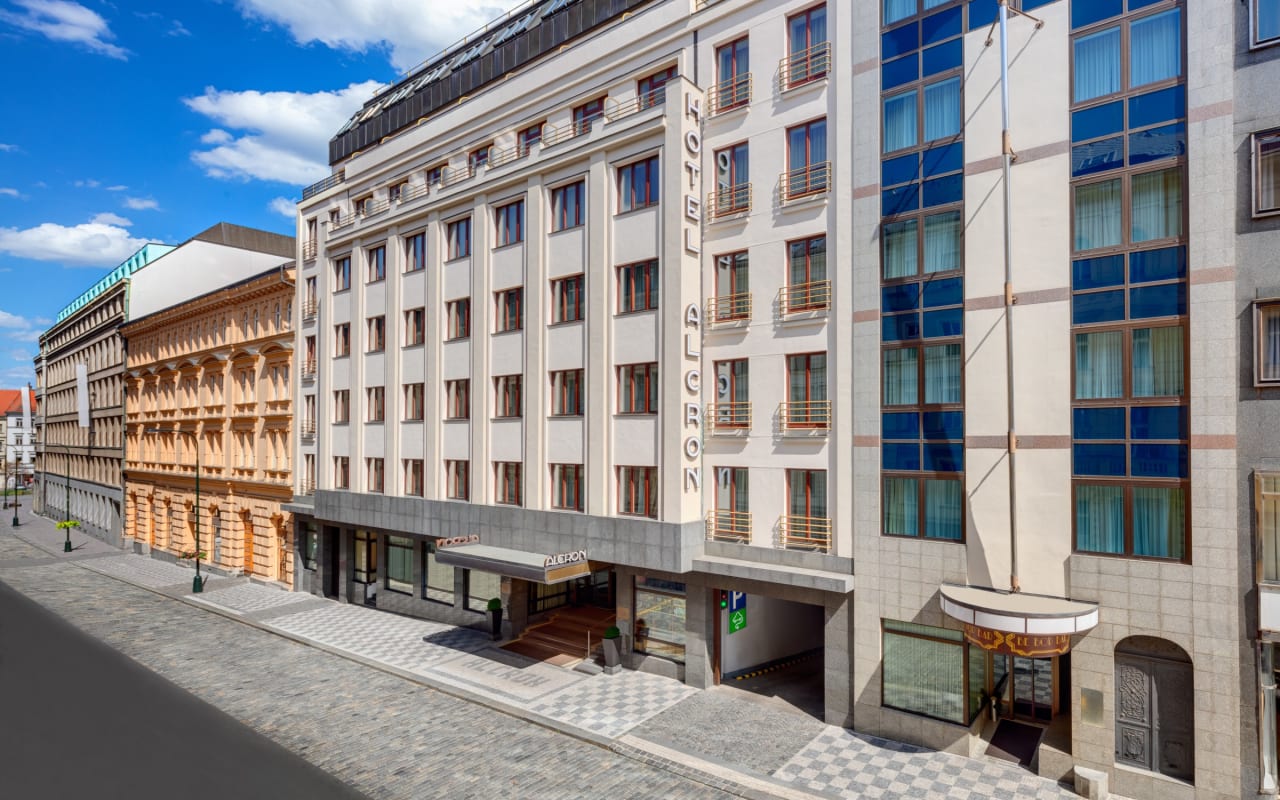
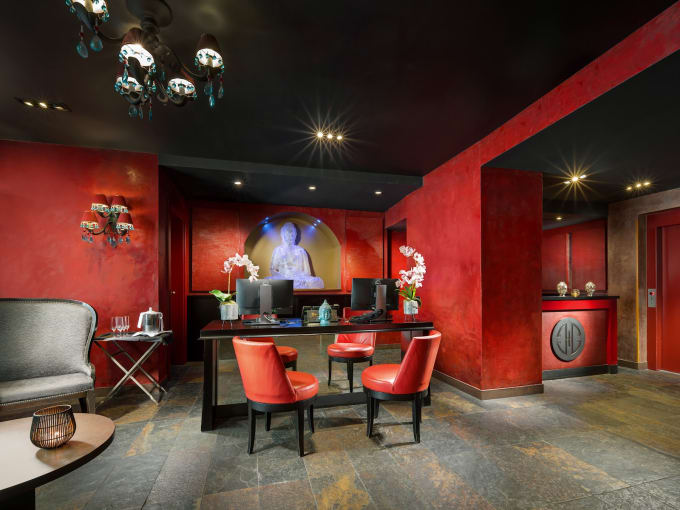
The Prague panorama is more varied than one might imagine. Mandarin Oriental Prague and The Augustine Hotel demonstrate how a historic setting can accommodate disciplined interior design. Four Seasons Hotel Prague offers a different interpretation. The address articulates international prestige and local grounding. Almanac X Alcron Prague and BoHo Prague Hotel appeal more to those seeking a clean, contemporary urban aesthetic. Buddha Bar Hotel Prague embraces a more sensory staging. Maximilian Hotel remains a reference for travellers who prioritise functional intelligence. Palais Art Hotel and Alchymist Grand Hotel & Spa advocate for more decorative registers. Mamaison Suite Hotel Pachtuv Palace and Kempinski Hybernska remind us that design can also be expressed through volumes, the memory of a place, and the relationship to heritage.
For 2025 and 2026, several trends are solidifying in Prague. The first concerns material sobriety. Discerning travellers expect calmer interiors, better executed, and less demonstrative. The second relates to reversible heritage. The most convincing hotels now avoid encasing history under glass; they prefer readable, often contemporary interventions that do not erase the existing. We also observe a return to tactile comfort. Wood, stone, thick textiles, and softer lighting are taking precedence over mere visual effect. Finally, design is becoming more relational. It is no longer just about impressing upon arrival; one must truly inhabit the space, work, rest, host, or extend the day at the spa. Notably, Prague responds very well to this expectation of useful elegance.
This selection also embodies a certain idea of French luxury. It does not impose a singular taste but rather seeks a balance between distinction, service, and the intelligence of the place. A successful design hotel must possess both poise and restraint. It should create an atmosphere without overwhelming the eye. This is an important nuance. In the mind of the Concierge, luxury is not a volume of sound; it is a quality of attention. In Prague, this philosophy takes on a particular resonance. The city already has a strong aesthetic presence, so the best addresses do not need to add to it; they must primarily frame the experience. A beautiful room, fluid circulation, a well-managed view, a coherent spa—these are often what make the difference.
Therefore, this ranking should be read as a guide, not as an abstract verdict. The top choice is not the best for everyone. A couple's trip, a cultural stay, a wellness weekend, or a first discovery of Prague do not call for the same choices. Some may prefer the contemporary restraint of a central address, while others will seek the historical depth of an old palace or a monastic complex. Still others may desire a more enveloping, almost scenographic atmosphere. Our role is to prioritise solid proposals without artificially opposing styles. None of these hotels speaks to the same traveller with the same intensity. My advice is simple: view design as a language, then choose the address whose language resonates with your way of experiencing Prague.
The following top list distinguishes eight design hotels in Prague, each included for a specific reason. Aesthetic coherence, the strength of the location, quality of use, and personality are as important as prestige.