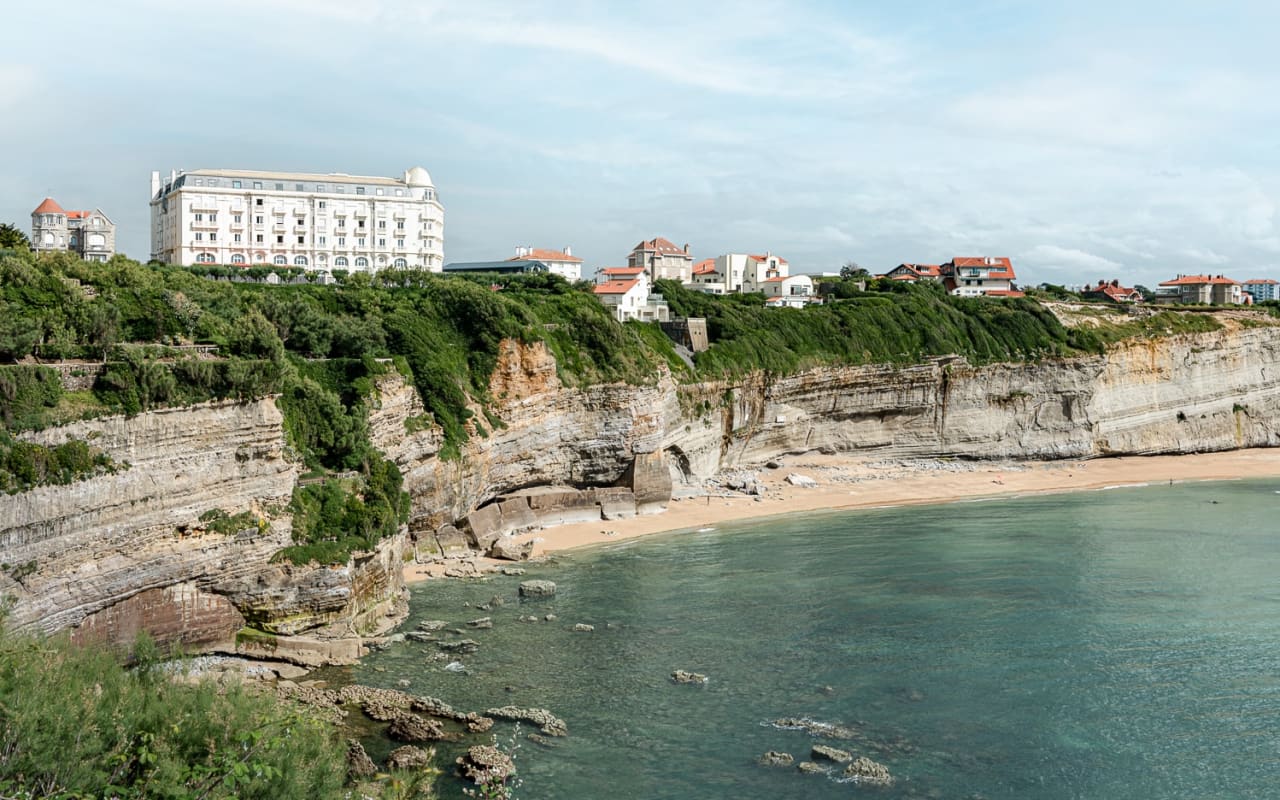
On the Atlantic Coast, hotel design is never just about decor. It interacts with the wind, light, sand, pines, and the ocean. This is precisely what makes this segment so captivating to explore. Between Biarritz and Cap Ferret, the finest design hotels engage with well-defined landscapes. They must assert a signature without breaking away from their surroundings. At MyConciergeHotel, we have observed a growing interest in these addresses over several seasons. Our travellers seek coherence rather than ostentation. They desire readable architecture, appropriate materials, smooth circulation, and an atmosphere that lasts from morning to night. On this coast, successful design is often that which can be felt before it is noticed.
To establish a ranking on this theme, we do not adhere to a decorative definition of the word design. Our perspective is broader and more demanding. We first consider the identity of the place. A design hotel must offer a clear vision, perceptible from the moment of arrival. We then assess the coherence between architecture, decor, furniture, lighting, and usage. Comfort is as important as visual signature. A beautiful image is insufficient if the room lacks rhythm, intimacy, or functionality. We also take into account the relationship to the site. On the Atlantic Coast, this means the connection to the sea, dunes, historic villas, or the Basin. Finally, we incorporate the consistency of the experience. What our advisors observe is crucial. A well-designed place remains appropriate at different times and for various types of travellers.
The panorama of this selection showcases a rare diversity in a relatively concentrated territory. In Biarritz, design hospitality can be found within a grand historic establishment, such as the Hôtel du Palais, or in a more graphic reinterpretation, like Regina Experimental Biarritz. The vocabulary may change, but the demand remains. In Cap Ferret and Lège-Cap-Ferret, design often takes a different direction. It becomes more tactile, more residential, sometimes more discreet in facade. Cabane Yndo offers a contemporary take on the seaside retreat. Côté Sable Spa by Clarins embraces a calming aesthetic, in tune with the resort. La Maison du Bassin, on the other hand, reminds us that a hotel can be thoughtfully designed without ever appearing ostentatious. It is important to note that this selection does not tell a single style. It narrates multiple ways of conceiving the Atlantic stay.
The trends for 2025 and 2026 confirm this evolution towards a more lived-in design. We see a decline in overly conceptual decor, designed solely for photography. Travellers now expect places that age well and fit into a longer timeframe. Natural materials, mineral palettes, weathered woods, textured textiles, and understated lines are gaining ground. On the Atlantic Coast, this trend is particularly evident. The climate, salinity, changing light, and seasonality impose a form of aesthetic truth. Design must withstand the elements. It must also accommodate new usages. Longer stays, occasional remote work, the need for quiet spaces, and a search for well-being and intimacy are all factors. My advice is simple. Pay as much attention to the quality of transitions between spaces as to the beauty of the spaces themselves.
There is also, within this geography, a certain idea of French luxury. It is not uniform, and that is a good thing. In Biarritz, it may take the form of a grand hotel tradition, structured service, an iconic view, and an embraced heritage. Around the Basin and the peninsula, it often expresses itself differently. Luxury becomes breath, discretion, closeness to nature, and attention to detail. In both cases, design plays a mediating role. It connects the history of a place to contemporary usage. It avoids pastiche while respecting local codes. This is one of the points we scrutinise closely. A successful design hotel on the Atlantic Coast does not copy an international model. It translates a territory. This interpretative capacity often makes the difference between an appealing address and a sustainable one.
As always, this ranking should be read methodically. It does not designate an absolute winner, valid for all travellers. It ranks proposals according to a specific theme. Here, we speak of design, not solely prestige, size, or renown. A historic palace may be highly ranked for its way of modernising its heritage. A more intimate address may be recognised for its coherence and personality. This also means that a hotel not included is not necessarily less interesting. It may simply cater to a different expectation. Our advisors often remind us that the best hotel is primarily the one that corresponds to your rhythm, your relationship with space, and your usage of the stay. This top 5 therefore prioritises places where design truly structures the experience, from the lobby to the room, and from the landscape to the atmosphere.
Now, let us present the ranking. You will find five addresses that each embody a distinct interpretation of design on the Atlantic Coast. Some face the ocean, while others overlook the Basin. All offer a clear identity and an experience thoughtfully crafted in its details.