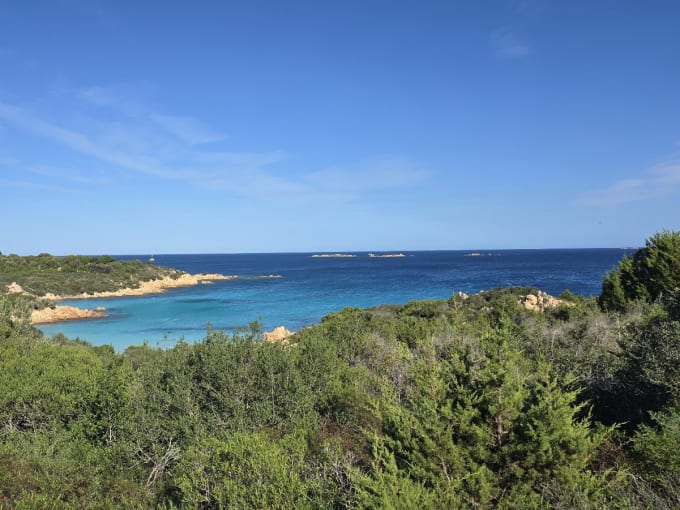
Italy is an obvious choice when seeking a grand seaside hotel. The country boasts several coastlines, each with its own vocabulary. The Mediterranean never tells just one story. The Amalfi Coast is characterised by its verticality and hanging villages. Sicily combines ancient theatre, mineral light, and direct access to the water. Sardinia speaks more of coves, granite, and wind. Portofino, Punta Ala, Capri, and Sorrento add further nuances. For the discerning traveller, this diversity is as important as the level of service. A seaside hotel in Italy is not merely about a beach; it encompasses a landscape, a rhythm, a way of arriving, and then gazing at the horizon.
At MyConciergeHotel, we do not base this ranking solely on image. We first observe the actual relationship to the sea. Direct access, elevated positions, private beaches, continuous panoramas, coastal anchorage—all of these factors weigh heavily. We then consider the hotel’s consistency. Category, brand reputation, service regularity, quality of outdoor spaces, and clarity of experience all come into play. The local context is also significant. A hotel in Ravello does not offer the same promise as one in Baja Sardinia or Palau. Finally, we favour establishments that transform their maritime location into a complete experience. This could be through a beach club, a major terrace, a cliffside garden, or a privileged connection to boat departures.
The Italian panorama presented here is particularly enlightening. It brings together iconic houses and more discreet retreats. Belmond Caruso and Caruso, A Belmond Hotel, remind us of the strength of a legendary address on the Amalfi Coast. Borgo Santandrea offers a more contemporary interpretation of the same coastline. In Sicily, Belmond Grand Hotel Timeo and Belmond Villa Sant’Andrea showcase two distinct relationships with the sea. The former engages in dialogue with Taormina and its views, while the latter embraces the immediacy of the shoreline. In Sardinia, 7Pines Resort Sardinia, Faro Capo Spartivento, and Hotel Capo d’Orso Thalasso & Spa present three different styles. One is a resort, another a reinvented lighthouse, and the third is more focused on nature and wellness. Portofino, Punta Ala, Sorrento, and Capri complete this picture.
For 2025 and 2026, our advisors are observing a clear evolution. Italian seaside luxury is moving away from a simple face-to-face with the sea. Travellers are expecting hotels that can orchestrate multiple tempos. A morning swim, a discreet lunch, a sea outing, and then a calm return at sunset. There is also increasing demand for smaller establishments that do not compromise on service levels. Spectacular views remain crucial, but they are no longer sufficient. Attention is shifting towards actual access to the coastline, the fluidity of transfers, the quality of terraces, and the intimacy of spaces. Another strong trend is the resurgence of marine wellness. Addresses with spas, thalassotherapy, or very natural environments are gaining points.
There is also a more French interpretation of seaside luxury, which seems useful here. It involves preferring accuracy over effect. A grand maritime hotel should not only impress; it must facilitate life. This is achieved through service that anticipates without being intrusive, simple circulation, a room oriented towards the landscape, and a breakfast that respects the locale. It is important to note that the sea immediately reveals a hotel’s flaws. Too much staging, and the stay becomes tiresome. Too much distance from the shore, and the promise dissipates. The best Italian addresses, on the contrary, know how to frame the experience. They allow the landscape to work, then add comfort, precision, and the right tempo.
This ranking should therefore be read as a curated selection, not as a universal verdict. Each hotel caters to a different use. Some are better suited for a first stay on the Amalfi Coast, while others are more appropriate for a retreat in Sardinia, a Sicilian interlude, or a very stylish weekend in Portofino. We do not aim to pit the houses against each other; rather, we seek to rank seaside experiences according to their coherence. What our advisors often observe is that an excellent stay depends on a good match between the traveller and the location. A private beach may matter more than a high view. Conversely, a cliffside terrace may outweigh direct access to the water.
In the following Top 10, you will find hotels where the sea is never a secondary backdrop. It structures the address, its rhythm, and its memory. My advice: read this ranking with your own way of inhabiting the coastline in mind.