Selection Criteria
The selection of the best palaces in France is based on rigorous criteria, carefully defined to ensure an unparalleled experience for our readers. Each establishment has been evaluated across several essential axes, reflecting not only the excellence of the services offered but also the cultural and architectural heritage that characterises these iconic places. The official classification of palaces in France, awarded by Atout France, serves as the primary selection criterion. This prestigious label is reserved for hotels that meet strict standards of quality, comfort, and service. Thus, only establishments that have obtained this status can claim a place on our list.
Next, the quality of service is a fundamental element in the evaluation of palaces. Each hotel must offer personalised and attentive service, where every staff member is trained to anticipate the needs of guests. Continuous training and the expertise of the teams are crucial indicators of a palace's ability to provide a memorable experience. Additionally, customer reviews, often gathered from recognised rating platforms, play an important role in our selection. The experiences shared by visitors, their feedback on the quality of welcome, cleanliness, and attention to detail, are all factors that influence our choices.
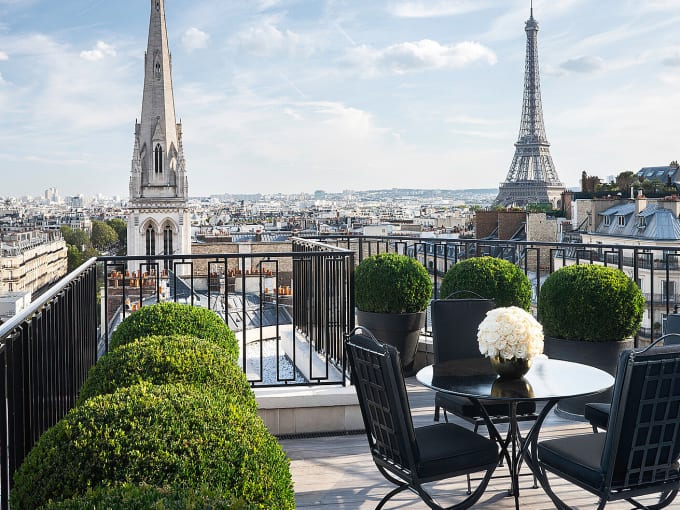
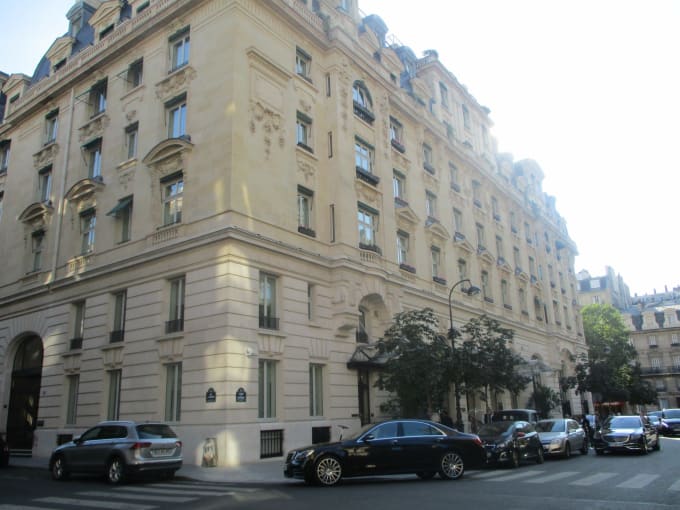
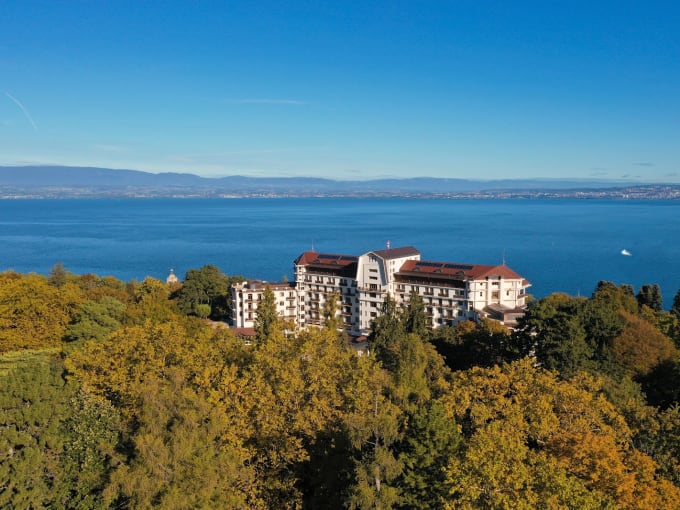
The architecture and the setting of these palaces are also determining selection criteria. Each establishment must not only possess remarkable aesthetics but also a history that resonates with its surroundings. Whether it is a beautifully restored historic building or a modern structure harmoniously integrated into the landscape, the architecture must tell a story that captivates visitors. The views offered by these hotels, whether they overlook the sea, lush gardens, or iconic monuments, add an additional dimension to the experience.
Finally, we consider innovation and sustainability as essential aspects of contemporary hospitality. Palaces that adopt environmentally friendly practices and incorporate modern elements while preserving their heritage are particularly valued. The commitment of establishments to sustainable initiatives, whether through the use of local products in their restaurants or the implementation of eco-friendly technologies, reflects a desire to look towards the future while respecting the past.
In summary, our selection of the best palaces in France is based on a holistic approach that takes into account service quality, architecture, customer reviews, and a commitment to sustainability. These criteria provide an accurate picture of French hospitality excellence, highlighting establishments that stand out not only for their luxury but also for their ability to offer an authentic and memorable experience.
Questions about this section
What sets apart the palaces included in this France selection?
Selected palaces combine official distinction, strong identity, and consistently precise service.
History of Palaces in France
The history of palaces in France is a fascinating narrative that dates back to the 19th century, an era marked by the rise of tourism and the development of transport infrastructure. During this time, major cities such as Paris, Nice, and Deauville began to attract affluent clientele eager to indulge in the pleasures of life. The first luxury hotels emerged, offering refined services and sumptuous settings, laying the foundations for what we now call palaces.
By the early 20th century, France established itself as a must-visit destination for aristocrats and celebrities from around the world. It was during this period that the term "palace" began to be used to designate hotels that met exceptional luxury criteria. These establishments did not merely provide accommodation; they transformed into true destinations in their own right, offering personalised services, gourmet restaurants, and renowned spas. Palaces became synonymous with elegance and refinement, attracting clients in search of a unique experience.
The interwar period witnessed a significant explosion in the number of palaces in France, with iconic buildings rising in coastal cities and spa towns. Architects competed in ingenuity to design structures that combined luxury and comfort while incorporating elements of local culture. The palaces of this era often featured characteristics inspired by various architectural styles, ranging from baroque to modern, creating unique environments that captivated visitors.
However, World War II marked a turning point in the history of palaces. Many suffered damage and had to close temporarily. The subsequent reconstruction period provided an opportunity to redefine the identity and standards of these establishments. The palaces that emerged after the war integrated modern innovations while preserving their hospitality traditions. This duality between respecting the past and adopting new trends became one of the distinguishing features of French palaces.
Today, palaces in France continue to embody excellence in hospitality, blending traditional craftsmanship with modernity. The "Palace" classification awarded by Atout France, which demands high standards in terms of services, facilities, and setting, ensures that only the most prestigious establishments receive this distinction. These palaces are not merely places to stay; they are symbols of a French art de vivre, where every detail is meticulously crafted to provide an unforgettable experience. In essence, the history of palaces in France is one of continuous evolution, a living heritage that remains relevant while preserving the cultural legacy and spirit of hospitality that characterise the country.
Questions about this section
How many palaces are there in France today?
Use the current Atout France list, as the number of French palaces can change over time.
Focus on Gastronomy
French gastronomy is an art, a savoir-faire expressed through refined dishes and unforgettable culinary experiences. In the palaces of France, this culinary art reaches its peak through Michelin-starred chefs who highlight local products, often sourced from renowned regions, while exploring innovative creations. Each palace, with its unique atmosphere and exceptional setting, becomes a true theatre where the symphony of flavours unfolds.
The chefs in these palaces do not merely prepare dishes; they tell a story through each plate. By incorporating seasonal ingredients, these chefs ensure that their menus reflect the richness of the region. For instance, proximity to local markets allows access to freshly caught seafood, crisp vegetables, and superior quality meats. This emphasis on local product valorisation is a common thread that connects these exceptional establishments.
Beyond the simple use of quality ingredients, innovation lies at the heart of palace gastronomy. Chefs are unafraid to experiment with textures, temperatures, and flavour combinations to surprise and delight the most discerning palates. Modern techniques, such as sous-vide cooking or the use of molecular gastronomy, are often integrated, offering a unique sensory experience. Tasting menus, often designed to be a true culinary adventure, allow diners to discover a carefully orchestrated array of flavours.
The ambiance of the restaurants within the palaces also contributes to the gastronomic experience. The sumptuous setting, whether with a breathtaking view of an iconic monument or a French garden, adds an extra dimension to each meal. The dining rooms, tastefully and elegantly decorated, create an environment conducive to tasting and sharing. Sommeliers, wine experts, are present to guide diners in selecting food and wine pairings, enriching the gastronomic experience.
Finally, gastronomy in palaces is not limited solely to meals taken in restaurants. Culinary experiences may include cooking workshops, market visits, or encounters with local producers. These initiatives allow guests to immerse themselves in French culinary culture and discover the secrets of the chefs, while establishing an authentic connection with the region.
In summary, gastronomy in the palaces of France is a celebration of the senses, a blend of tradition and innovation, where each dish invites exploration of the riches of French culinary heritage. The chefs, through their creativity and passion, make every meal a memorable experience, rooted in respect for local products and the art of the table.
Conclusion
The palaces of France stand out for their unique alchemy of centuries-old tradition and contemporary innovation, offering an unparalleled experience to travellers in search of excellence. These establishments, often marked by centuries of history, reflect artisanal craftsmanship and a cultural heritage that gives them a special aura. Each has managed to preserve its identity while adapting to modern demands, thus ensuring a service of exceptional quality that has made French hospitality renowned worldwide.
Tradition lies at the very heart of the essence of palaces. From architectural remnants to refined decor, every detail tells a story. The salons adorned with crystal chandeliers, meticulously maintained French gardens, and sumptuously decorated rooms are all testaments to the attention given to aesthetics and comfort. However, these establishments do not rest on their laurels. Innovation is also present, with continuous investments in modern technologies to enhance the guest experience, ranging from energy management systems to personalised digital services.
Another distinguishing aspect is their commitment to gastronomy. The chefs working in these palaces are often iconic figures in French cuisine, blending creativity with respect for culinary traditions. Each restaurant invites guests on a gastronomic journey, where local products are elevated in refined dishes. The carefully curated wine lists showcase prestigious vintages, reflecting the expertise of the sommeliers. This attention to culinary art makes dining in these palaces a memorable experience, often regarded as a celebration of French gastronomy.
Service, for its part, is a fundamental pillar of the experience in palaces. The rigorous training of staff ensures extreme attention to detail and a sense of hospitality that exceeds expectations. Every staff member is trained to anticipate guests' needs, creating an atmosphere where each visitor feels unique and valued. Whether organising a bespoke excursion, recommending a spa treatment, or simply offering a warm smile, the staff embodies the spirit of the palace, combining professionalism with friendliness.
Finally, the location of these palaces also plays a crucial role in their appeal. Whether nestled in the picturesque streets of Paris, along the beaches of the Côte d'Azur, or in the heart of Bordeaux's vineyards, each establishment offers an exceptional setting that enriches the overall experience. Breathtaking views, privileged access to local attractions, and immersion in regional culture make each stay unforgettable. In summary, the palaces of France successfully combine tradition, innovation, and exceptional service, creating indelible memories for those who cross their thresholds.
Questions about this section
Is the Ritz a palace in France?
Check the current official Atout France status, as Palace distinctions are administrative and time-sensitive.