Nos critères de sélection
Notre méthode part d’un principe simple. Un hôtel de vignoble ne se résume pas à une belle adresse entourée de ceps. Nous retenons d’abord l’ancrage réel dans un terroir identifié. L’hôtel doit se situer au cœur d’un paysage viticole lisible. Il peut être implanté sur un domaine, au milieu des parcelles, ou dans un village directement lié à une appellation. Nous regardons aussi la cohérence entre le lieu et son environnement. Une vue sur les rangs de vignes compte. L’accès immédiat aux chemins, aux caves, ou aux chais compte aussi. À retenir : la proximité géographique seule ne suffit pas. Ce qui nous intéresse, c’est l’immersion concrète dans la vie du vignoble. Nous privilégions donc les maisons où le vin structure réellement le séjour. Cela peut passer par l’architecture, les activités, la restauration, ou la relation au domaine.
Le deuxième pilier reste la qualité hôtelière. Nous observons le niveau de service, la régularité de l’accueil, le confort des chambres, et la tenue générale de la maison. Un grand hôtel dans les vignes doit fonctionner comme un vrai refuge. Le cadre rural ne dispense jamais d’exigence. Nous valorisons les adresses qui associent caractère, entretien précis, et sens du détail. La taille de l’établissement n’est pas un critère en soi. Un boutique-hôtel très maîtrisé peut convaincre autant qu’une grande maison. Ce que nos conseillers observent en priorité, c’est l’équilibre. L’expérience doit rester fluide du check-in au départ. Le service doit savoir être présent sans alourdir le séjour. Dans ce classement, nous tenons aussi compte des distinctions reconnues. Elles ne remplacent pas le terrain. Elles apportent toutefois un repère utile sur le niveau d’exécution.
La table occupe une place centrale dans notre sélection. Dans un hôtel de vignoble, elle ne peut pas être pensée à part. Nous regardons la qualité de la cuisine, bien sûr. Nous évaluons aussi la pertinence de la carte des vins, la profondeur des références locales, et la capacité à raconter un territoire. Une belle cave ne suffit pas. Il faut une vraie lecture des accords, des millésimes, et des producteurs. Nous accordons également de l’importance à l’accès aux caves. Visites, dégustations, rencontres, ou parcours pédagogiques enrichissent fortement le séjour. Mon conseil : distinguer les hôtels qui montrent le vin de ceux qui le font vraiment vivre. Le domaine lui-même entre donc dans notre analyse. Son intérêt architectural, historique, agricole, ou paysager peut faire la différence. Un chai contemporain, une bâtisse ancienne, ou un parc bien composé ajoutent une dimension tangible.
Nous intégrons enfin tout ce qui transforme une nuit en expérience complète. Le spa éventuel compte, mais il n’est jamais obligatoire. En revanche, lorsqu’il existe, nous regardons sa cohérence avec le lieu. Vue sur les vignes, soins inspirés du raisin, bassin bien situé, ou vraie logique de retraite. La vue, elle aussi, pèse dans notre lecture. Depuis la chambre, la terrasse, le restaurant, ou la piscine, elle peut ancrer le voyage dans le paysage. Nous considérons aussi la circulation sur place. Peut-on marcher dans les vignes, rejoindre une cave, ou vivre le domaine sans reprendre la voiture ? C’est un point décisif. Au fond, notre classement récompense les hôtels qui offrent une expérience globale juste. Le vin n’y sert pas de décor. Il donne le rythme du séjour. C’est cette cohérence, plus que l’effet d’annonce, qui guide notre sélection.
Hôtels de vignoble et patrimoine français
En France, l’hôtel de vignoble n’est pas une invention récente. Il prolonge une histoire foncière, agricole et aristocratique très ancienne. Beaucoup d’adresses actuelles occupent des châteaux, des bastides, des maisons de maître ou d’anciens domaines d’exploitation. Leur reconversion suit une logique simple. Le bâti existait déjà au cœur des parcelles, près des chais, des caves et des villages de négoce. Avec le temps, ces propriétés ont ouvert leurs portes à des hôtes venus chercher plus qu’une nuit. Ils voulaient comprendre un paysage, un millésime, une culture locale. C’est ainsi qu’est né un segment très français. Il associe patrimoine habité, hospitalité haut de gamme et lecture concrète d’un terroir. À retenir, ce modèle diffère du resort rural classique. Ici, la vigne n’est pas un décor. Elle structure l’architecture, les saisons, les vues et souvent la table.
Bordeaux a joué un rôle décisif dans cette évolution. Le vignoble bordelais s’est construit autour de châteaux viticoles devenus des signatures mondiales. Dans le Médoc, à Saint-Émilion, à Pessac-Léognan ou à Sauternes, le domaine viticole a longtemps été un centre de production et de représentation. Les façades classiques, les chartreuses et les parcs traduisaient autant un rang social qu’une fonction agricole. Leur transformation en hôtels s’inscrit dans la continuité de cette histoire. Elle permet de séjourner dans des lieux pensés dès l’origine pour recevoir. En Bourgogne, le récit est différent. Le prestige vient moins de grands châteaux isolés que d’un maillage de clos, de villages et de maisons de négoce. Beaune, Meursault, Puligny-Montrachet ou Gevrey-Chambertin racontent une culture parcellaire très fine. Les hôtels y prennent souvent place dans des bâtisses plus discrètes. Elles sont pourtant fortement liées à l’économie du vin. Ce que nos conseillers observent, c’est une différence de ton. Bordeaux met volontiers en scène le domaine. La Bourgogne privilégie souvent l’intimité et la proximité immédiate avec les climats.
La Champagne a suivi une autre trajectoire, marquée par les maisons, les crayères et l’histoire du commerce international. Reims et Épernay ont fait émerger des demeures de négociants, des hôtels particuliers et des bâtiments liés à l’élaboration du vin effervescent. Ici, l’hospitalité s’appuie souvent sur un patrimoine urbain ou semi-urbain. Il dialogue avec les coteaux classés et les caves souterraines. En Alsace, la logique est encore différente. La route des vins a favorisé des auberges, des maisons à colombages et des demeures bourgeoises intégrées aux villages. Le séjour y repose sur une forte continuité entre culture viticole et identité régionale. En Provence, les bastides, les mas et les domaines ont trouvé un second souffle grâce à l’hôtellerie. Le vin y partage l’affiche avec l’huile d’olive, les jardins et une certaine idée de la villégiature méridionale. Dans la Vallée du Rhône, enfin, l’histoire mêle maisons de famille, reliefs spectaculaires et appellations puissantes. Des coteaux septentrionaux aux paysages plus ouverts du sud, l’hôtel de vignoble y prend des formes variées. Mon conseil, ne réduisez jamais ces adresses à la seule dégustation. Leur intérêt tient aussi à la manière dont elles racontent chaque région.
Ce succès contemporain répond à une attente très actuelle. Les voyageurs veulent des lieux ancrés, lisibles et non interchangeables. Les hôtels de vignoble français offrent précisément cela. Ils donnent accès à un patrimoine vivant, pas à un décor figé. On y lit l’histoire des classements, des appellations, des vendanges et des savoir-faire de cave. On comprend aussi comment l’hôtellerie a appris à préserver ces ensembles bâtis. Transformer un château viticole ou une maison de maître en hôtel suppose de conserver une identité, tout en ajoutant confort, restauration et services. Les meilleures adresses réussissent cet équilibre. Elles ne muséifient pas le domaine. Elles le rendent habitable. C’est ce qui explique leur place à part dans le paysage français. Entre héritage agricole, architecture régionale et hospitalité exigeante, elles incarnent une forme de luxe très contextualisée. Pour Le Concierge, c’est même leur principal intérêt. Elles permettent de dormir dans un territoire, pas seulement à côté.
Questions sur cette section
Quand vous parlez d’héritage viticole, que faut-il comprendre concrètement dans ce classement ?
L’héritage viticole désigne un lien tangible entre l’hôtel et son environnement de production. Cela peut être un domaine installé sur une propriété historique, une maison entourée de parcelles exploitées, une cave liée au lieu ou une culture du vin intégrée à l’expérience client. Nous évitons les effets de décor. À retenir : un hôtel proche des vignes n’a pas forcément une vraie dimension viticole. Nous privilégions les adresses où cette relation structure réellement le séjour.
Tables, caves et accords sur place
Dans un hôtel de vignoble, la table ne sert pas seulement à bien dîner. Elle prolonge la lecture du paysage. C’est souvent là que le séjour prend sa cohérence. Un grand domaine convainc davantage quand la cave, le restaurant et le petit-déjeuner racontent le même territoire. À retenir : les adresses les plus justes ne multiplient pas les effets. Elles travaillent la proximité, la saison et la lisibilité des accords. Pour les amateurs de vin, cela change tout. Pour les voyageurs gourmets, aussi. Le plaisir vient autant de la précision du service que de la facilité d’accès aux dégustations, aux crus du domaine, ou aux caves voisines.
Ce que nos conseillers observent souvent, c’est une différence nette entre un hôtel posé dans les vignes et une vraie destination gastronomique. La seconde propose une expérience complète, du premier café au dernier verre. Le petit-déjeuner de domaine compte beaucoup. Il donne le ton, surtout quand il met en avant produits locaux, pains de maison, confitures artisanales et vues directes sur les rangs de vigne. Le soir, le restaurant devient un poste d’observation du terroir. Les cartes les plus convaincantes évitent la démonstration. Elles privilégient des plats lisibles, pensés pour dialoguer avec les vins servis sur place. Les meilleurs accords mets-vins ne cherchent pas à impressionner. Ils clarifient un cépage, un millésime, ou une appellation. C’est cette pédagogie discrète qui fidélise les hôtes.
La cave, elle, joue un rôle décisif. Dans les hôtels les plus recherchés, elle n’est pas un décor. Elle structure l’expérience. Une dégustation privée, menée par un sommelier ou un membre du domaine, apporte une autre profondeur au séjour. Le voyageur comprend mieux ce qu’il boit ensuite à table. Il situe les parcelles, les méthodes, les styles. Cette continuité est précieuse. Elle séduit autant les connaisseurs que les curieux. Mon conseil : regarder si l’hôtel facilite vraiment l’accès aux caves. Une belle carte des vins ne suffit pas toujours. La différence se fait dans l’organisation concrète. Visites sur rendez-vous, parcours dans les chais, rencontres avec les équipes, ou transferts vers des maisons voisines comptent énormément. Dans les grands vignobles français, cette proximité immédiate reste un avantage rare.
Pourquoi ces adresses plaisent-elles autant aux amateurs de vin qu’aux voyageurs gourmets ? Parce qu’elles réunissent deux attentes qui cohabitent souvent mal ailleurs. D’un côté, l’exigence œnologique. De l’autre, le confort d’un séjour fluide. Ici, on peut déguster sérieusement sans transformer le voyage en programme technique. On peut aussi très bien venir pour la cuisine, puis se laisser gagner par le vin. Cette porosité attire une clientèle large. Certains choisissent l’hôtel pour son restaurant de destination. D’autres réservent d’abord pour les vignes, puis découvrent une table qui justifie le détour à elle seule. Les meilleures maisons savent accueillir ces deux profils sans hiérarchie. Elles rendent le vin accessible, sans l’appauvrir.
Enfin, la gastronomie sur place agit comme un filtre de qualité. Elle révèle le niveau réel d’attention porté au détail. Une cave bien pensée, une carte cohérente, un service capable de raconter un accord, ou un simple petit-déjeuner juste, disent beaucoup d’une maison. Dans un classement consacré aux hôtels au cœur des vignobles de France, cet aspect est central. Il permet de distinguer les adresses qui offrent un décor viticole de celles qui proposent une immersion complète. C’est là que le séjour prend de l’épaisseur. Et c’est souvent là que naît l’envie de revenir, parfois pour une nouvelle saison, parfois pour un millésime précis.
Questions sur cette section
Dans un hôtel au cœur des vignes, la gastronomie et la cave comptent-elles autant que les chambres ?
Oui, souvent autant. Dans ce type de séjour, la table et la cave prolongent le sens du lieu. Une belle chambre face aux rangs de vigne compte, mais elle ne suffit pas toujours à créer une expérience cohérente. Nous regardons donc la qualité de la restauration, la logique des accords, la profondeur de la carte des vins et la capacité du personnel à guider sans jargon. Ce que nos conseillers observent : l’expérience doit rester fluide, pas démonstrative.
Le bien-être au milieu des vignes
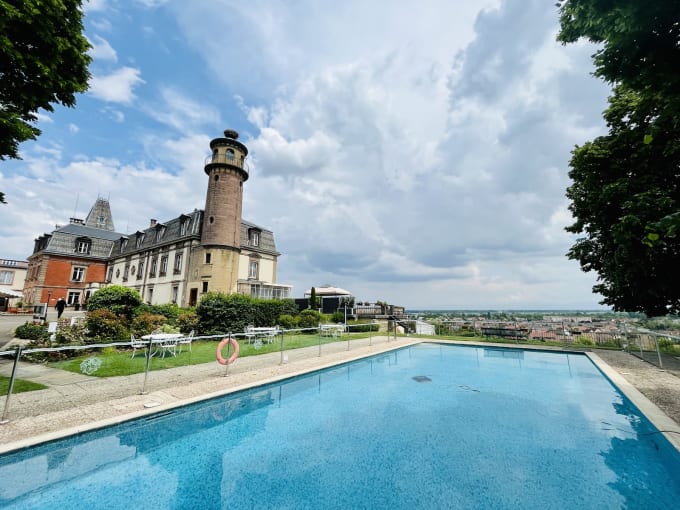
Dans les hôtels au cœur des vignobles français, le spa ne joue pas toujours le même rôle. Dans certaines maisons, il structure le séjour. Dans d’autres, il accompagne simplement la dégustation et les promenades. C’est précisément ce contraste qui rend le segment intéressant. Un hôtel de vignes n’a pas besoin d’un vaste wellness center pour être juste. En revanche, la cohérence compte beaucoup. Nos conseillers regardent donc l’équilibre entre cadre naturel, qualité des installations, lisibilité de l’offre, et capacité réelle à ralentir le rythme. La présence d’une piscine avec vue, d’un hammam bien pensé, ou de cabines ouvertes sur le paysage change concrètement l’expérience. Après une journée de route des vins, de cave en cave, le corps demande autre chose qu’un simple massage ajouté à la carte. Il faut un lieu qui aide à récupérer, sans rompre le lien avec le terroir.
Dans ce registre, les meilleures adresses savent éviter deux écueils. Le premier serait un spa trop urbain, transposé sans rapport avec son environnement. Le second serait un discours très nature, sans contenu réel derrière. Ce que nous valorisons, c’est une proposition incarnée. Elle peut passer par des soins inspirés du raisin, par une architecture largement ouverte sur les rangs de vignes, ou par des espaces de repos qui prolongent le silence du domaine. Le détail compte aussi. Une piscine intérieure baignée de lumière n’offre pas la même sensation qu’un bassin extérieur face aux coteaux. Un espace humide compact peut suffire, s’il est bien entretenu et bien intégré. À retenir, donc, le spa n’est pas seulement une liste d’équipements. Dans ce segment, il doit dialoguer avec le paysage, la saison, et le tempo plus lent d’un séjour œnologique.
L’intérêt de ces hôtels tient justement à la combinaison de plaisirs souvent recherchés ensemble. Le vin apporte la découverte, la conversation, parfois une certaine intensité sensorielle. Le spa réintroduit la récupération, le calme, et une forme de respiration. Cette alternance fonctionne particulièrement bien sur deux ou trois nuits. On visite un domaine le matin. On déjeune sur place ou dans un village voisin. Puis l’après-midi bascule vers un soin, quelques longueurs, ou une heure de lecture en salle de relaxation. Mon conseil est simple. Si le spa est central dans votre séjour, regardez au-delà du mot lui-même. Vérifiez la taille réelle des installations, la présence d’une piscine exploitable toute l’année, et la qualité des vues. Dans les vignobles, un bassin sans ouverture sur l’extérieur perd une partie de son intérêt. À l’inverse, un espace plus modeste peut être très convaincant, s’il prolonge vraiment le sentiment d’isolement recherché.
Il faut aussi distinguer les séjours de retraite et les séjours de complément. Une retraite suppose un spa capable d’occuper plusieurs demi-journées. Cela implique une carte de soins étoffée, plusieurs zones de détente, et une vraie fluidité entre chambre, nature et wellness. Un complément discret répond à une autre logique. Il suffit alors d’un bon massage, d’un sauna, d’un bain, et d’un environnement apaisé. Les deux approches sont légitimes. Elles ne s’adressent simplement pas au même voyageur. Ce que nos conseillers observent souvent, c’est que les couples privilégient les maisons où l’on peut passer facilement de la dégustation à la détente, sans reprendre la voiture. C’est là que l’hôtel de vignoble prend tout son sens. Il réunit sur un même domaine le goût, le paysage, le repos, et une certaine simplicité de circulation.
Enfin, le spa joue un rôle discret mais décisif dans la perception globale du séjour. Dans un hôtel de vignes, on vient rarement pour un programme uniquement centré sur le bien-être. Pourtant, une bonne installation peut faire basculer l’adresse d’agréable à mémorable. Elle allonge le temps passé sur place. Elle donne envie de rentrer plus tôt après une visite. Elle permet aussi de mieux vivre les variations de météo, surtout hors été. C’est pourquoi nous traitons le spa comme un critère de lecture, et non comme un bonus décoratif. Dans ce classement, nous regarderons donc les soins signature quand ils existent, les piscines avec vue quand elles sont réelles, la qualité des espaces de relaxation, et la manière dont chaque maison articule vin, nature et récupération. C’est souvent là que se joue la différence entre une simple étape dans les vignes et un séjour pleinement habité.
Questions sur cette section
Un spa dans les vignes change-t-il vraiment l’expérience d’un séjour œnologique ?
Oui, si le spa s’intègre bien au rythme du séjour. Après une journée de route, de dégustations ou de visites, un espace bien conçu apporte une vraie respiration. Dans les meilleures adresses, le spa n’est pas un simple ajout. Il dialogue avec le paysage, la lumière et le tempo du domaine. Mon conseil : regardez moins la taille du spa que son usage réel. Une petite installation bien pensée peut être plus pertinente qu’un grand espace standardisé.
Pourquoi les vignobles plaisent tant aux couples
Ce qui attire les couples dans un hôtel au cœur des vignes tient d’abord au rythme. On y vient moins pour cocher des activités que pour ralentir ensemble. Les paysages ordonnés des rangs, les allées bordées d’arbres, les coteaux qui changent avec la lumière, tout invite à des journées moins fragmentées. Ce cadre crée une forme d’intimité naturelle. Il n’impose rien. Il laisse de la place aux silences, aux promenades après le petit déjeuner, à un verre pris en terrasse avant le dîner. À retenir, ce type de séjour convient particulièrement aux voyageurs qui cherchent une parenthèse lisible, sans logistique lourde. Le décor est déjà là. Le programme peut rester très simple. C’est souvent ce qui fait la différence sur un voyage à deux.
Les maisons les plus convaincantes pour une escapade romantique sont souvent celles qui ouvrent réellement sur le vignoble. La vue compte, mais la relation physique au paysage compte davantage. Une chambre ou une suite tournée vers les vignes change l’expérience. Le matin commence plus doucement. La fin de journée aussi. Ce que nos conseillers observent, c’est que les couples privilégient les adresses où l’on peut vivre plusieurs temps sans quitter la propriété. Un dîner sur place, une cave à visiter, une terrasse calme, parfois un spa, suffisent à composer un séjour cohérent. Dans ce classement, plusieurs hôtels répondent à cette attente avec justesse. Les Sources de Caudalie, au milieu des vignes du Château Smith Haut Lafitte, restent une référence claire pour les séjours à deux. Le cadre viticole est immédiat. L’offre de restauration et de bien-être permet d’étirer les journées sans les compliquer. En Champagne, Royal Champagne Hotel & Spa séduit par sa position au-dessus des coteaux. La vue ample renforce la sensation de retrait. En Bourgogne, COMO Le Montrachet parle aux couples qui aiment les villages de vin et les séjours plus feutrés.
L’attrait romantique des vignobles tient aussi à la place du dîner. Dans ces hôtels, le repas n’est pas un simple service du soir. Il devient souvent le centre de gravité de la journée. On prend le temps de revenir en chambre, de marcher un peu, puis de s’installer à table sans urgence. Le vin donne un tempo particulier. Il appelle la conversation, l’attention au détail, et une certaine lenteur heureuse. Les adresses les plus adaptées aux couples sont donc celles qui savent relier chambre, table et paysage. En Provence, Coquillade Provence, entouré de vignes, fonctionne bien pour cette raison. L’espace y favorise l’impression de bulle. Dans le Bordelais, Château Lafaurie-Peyraguey Hôtel & Restaurant Lalique offre un format plus intime, très pertinent pour un court séjour à deux. Mon conseil, pour une escapade de deux nuits, est de choisir une maison où le dîner sur place a un vrai sens. Cela évite les transferts du soir et préserve l’atmosphère.
Il existe enfin plusieurs styles de romantisme dans les vignobles français. Certains couples cherchent le grand paysage et une suite ouverte sur les coteaux. D’autres préfèrent une maison de taille plus contenue, avec peu de chambres et un service très attentif. C’est là que la sélection devient utile. Les Sources de Cheverny, dans l’univers viticole de la vallée de la Loire, conviennent bien aux voyageurs qui veulent conjuguer campagne, table et détente. En Alsace, Hôtel & Spa Régent Petite France n’est pas un hôtel de vignoble au sens strict. Il ne relèverait donc pas de cette logique. À l’inverse, des adresses comme Hostellerie de Levernois, proches des grands terroirs bourguignons, peuvent séduire les couples attachés à l’élégance rurale et aux journées ponctuées de dégustations. Le bon hôtel romantique dans les vignes n’est pas forcément le plus spectaculaire. C’est celui qui permet de rester ensemble sans effort. Un beau point de vue, une chambre bien orientée, un dîner qui se prolonge, et le sentiment rare que le temps ralentit enfin.
Questions sur cette section
Pour un week-end romantique dans les vignobles français, quels détails font vraiment la différence ?
Les détails qui comptent sont souvent simples. Une chambre bien orientée, une terrasse privée, un dîner sur place, une dégustation sans déplacement long et un service discret changent beaucoup l’expérience. Le calme nocturne et la facilité logistique comptent aussi. Un très beau domaine trop compliqué à vivre peut casser le rythme d’un séjour à deux. À retenir : pour un week-end romantique, la fluidité vaut souvent mieux qu’un programme trop ambitieux.
Tendances 2025-2026 des séjours dans les vignes
En 2025 et 2026, le séjour dans les vignes change de rythme. Il ne se résume plus à une nuit avec dégustation. Les voyageurs réservent davantage pour trois ou quatre nuits. Ils veulent comprendre un territoire, pas seulement le traverser. Ce glissement favorise les hôtels capables d’offrir une vraie immersion locale. L’adresse compte, mais son environnement immédiat compte autant. Être au cœur d’un vignoble devient un critère concret. La vue sur les rangs, l’accès aux domaines, et la lecture du paysage pèsent dans la décision. Ce que nos conseillers observent aussi, c’est une demande plus nette pour des séjours à faible friction. Les clients veulent arriver, poser leurs valises, et tout trouver sur place. Cave, table, spa, promenades, transferts privés, et visites organisées. Le modèle de l’hôtel isolé mais complet progresse donc fortement.
Autre évolution marquante, la montée des expériences privées. Les voyageurs haut de gamme demandent moins d’activités standardisées. Ils privilégient les visites confidentielles, les dégustations en petit comité, et les rencontres avec les équipes des domaines. Cette attente change la manière de concevoir l’hospitalité en vignoble. Le séjour devient plus sur mesure, plus silencieux aussi. On cherche un rapport direct au lieu, loin des formats de groupe. Dans le même temps, l’œnotourisme se professionnalise. Les hôtes veulent des programmes lisibles, bien construits, et adaptés à leur niveau de connaissance. Certains souhaitent une initiation accessible. D’autres attendent une approche plus technique, autour des cépages, des sols, ou des méthodes d’élevage. À retenir, le vin n’est plus un simple décor culturel. Il devient l’ossature du voyage. Cela pousse les hôtels à mieux articuler hébergement, cave, restauration, et accès au vignoble.
La notion de terroir prend aussi une place plus centrale. Les clients valorisent les adresses qui assument une identité locale nette. Architecture, matériaux, jardin, cave, carte des vins, et cuisine doivent raconter le même paysage. Cette cohérence devient un marqueur de désirabilité. Elle distingue les hôtels qui appartiennent vraiment à leur région. Les tables très identitaires participent fortement à ce mouvement. Les voyageurs recherchent des restaurants qui travaillent le produit local avec précision. Ils veulent des accords pensés avec les vins du secteur. Ils apprécient aussi les cartes qui ne se contentent pas d’aligner des références prestigieuses. Mon conseil, dans ce segment, est de regarder l’ensemble. Une grande cave impressionne. Une cave bien reliée à la cuisine et au territoire convainc davantage. Cette logique favorise les maisons capables de proposer une expérience complète, du petit déjeuner au dernier verre.
Le bien-être devient enfin un moteur majeur de réservation. Le spa n’est plus un service complémentaire. Dans beaucoup de projets, il devient une destination en soi. Les voyageurs associent désormais les vignes à une forme de retraite contemporaine. Ils recherchent de l’espace, du calme, des soins longs, et une temporalité plus lente. Cette demande soutient les hôtels qui disposent d’installations solides. Piscine intérieure, parcours humide, cabines généreuses, et programmes de récupération font la différence. Le séjour dans les vignes attire ainsi une clientèle plus large. Elle ne vient pas uniquement pour le vin. Elle vient pour alterner dégustation, table, repos, et nature. C’est sans doute la tendance la plus structurante du moment. L’hôtel de vignoble haut de gamme n’est plus seulement une adresse de connaisseurs. Il devient un lieu de séjour complet, ancré dans son terroir, et capable d’accompagner plusieurs envies à la fois. Pour 2025 et 2026, ce sont ces maisons cohérentes, lisibles, et profondément situées qui retiennent le plus l’attention.
Ce qu’il faut retenir de ce classement
Au terme de ce classement, un point ressort nettement. Les meilleurs hôtels au cœur des vignobles français ne répondent pas tous au même projet. C’est précisément ce qui fait leur intérêt. Certaines adresses s’imposent pour un week-end gastronomique structuré autour d’une grande table et d’une cave sérieuse. D’autres privilégient le silence, l’espace et le rythme lent d’un domaine viticole. D’autres encore misent sur le spa, la vue sur les rangs de vignes, ou une atmosphère plus intimiste. À retenir, donc, avant de réserver. Il faut moins chercher un hôtel de vignoble en général qu’un hôtel de vignoble adapté à votre manière de voyager.
Pour un séjour centré sur la gastronomie, nous conseillons de regarder d’abord la cohérence entre table, cave et territoire. Un grand restaurant ne suffit pas toujours. Ce que nos conseillers observent, c’est la capacité d’une maison à créer un dialogue réel avec son appellation, ses producteurs et ses paysages. Les meilleures adresses sont celles où le vin n’est pas un décor. Il structure l’expérience, du petit déjeuner aux accords du dîner, jusqu’aux visites proposées sur place ou à proximité. Si votre priorité est un week-end gourmand, privilégiez donc les hôtels qui articulent clairement hébergement, restauration et culture du vin. Vous gagnerez en lisibilité, et souvent en profondeur de séjour.
Pour une retraite bien-être, les attentes changent. Ici, l’essentiel n’est pas seulement la présence d’un spa. Il faut aussi une vraie qualité de respiration. La taille du domaine, l’ouverture sur les vignes, la tranquillité des circulations et la possibilité de ralentir comptent autant que la carte de soins. Les propriétés les plus convaincantes sont souvent celles qui savent équilibrer sophistication hôtelière et sentiment de retrait. Mon conseil est simple. Si vous partez pour récupérer, choisissez une adresse où le vignoble reste visible et vécu, mais jamais envahissant. Le bon hôtel de bien-être dans les vignes doit offrir une parenthèse, pas un programme chargé du matin au soir.
Pour une immersion dans un grand domaine, le critère décisif reste l’ancrage. Il faut sentir que l’hôtel appartient réellement à un paysage viticole, à une histoire de propriété, à une logique agricole ou patrimoniale identifiable. C’est souvent là que se joue la différence entre une belle adresse de campagne et un authentique hôtel de vignoble. Les maisons les plus mémorables sont celles où l’on comprend immédiatement où l’on se trouve. Cela passe par l’architecture, la vue, les accès aux chais, la lecture du terroir, et parfois par la présence d’une production encore active. Si vous recherchez cette immersion, privilégiez les hôtels qui assument leur lien au domaine avec clarté. L’expérience y gagne en densité.
Enfin, pour une étape romantique, le bon choix tient rarement à un seul critère. Les couples cherchent souvent un équilibre entre intimité, beauté du cadre, bon niveau de table et simplicité logistique. Une vue sur les vignes compte, bien sûr. Mais elle ne remplace ni une chambre bien pensée, ni un service attentif, ni la possibilité de vivre le séjour sans voiture une fois sur place. C’est pourquoi ce classement réunit plusieurs profils complémentaires. Certains conviendront mieux à une célébration, d’autres à une escapade de deux nuits, d’autres encore à un voyage plus contemplatif. Le repère final est donc celui-ci. Choisissez selon l’usage réel de votre séjour. Gastronomie, bien-être, immersion ou romance. Dans les vignobles français, les meilleures adresses sont celles qui tiennent exactement leur promesse.