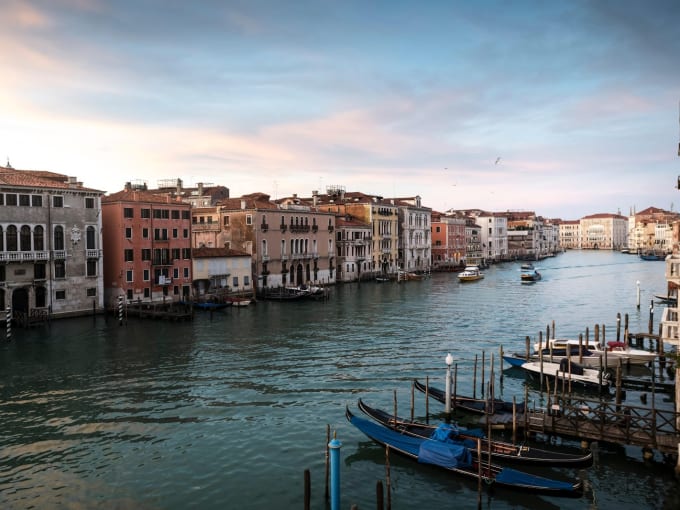
Venice is more family-friendly than one might think. The city imposes a different pace, free from cars and major thoroughfares. Travel is done on foot or by boat, which transforms the journey into an experience for children. For parents, choosing the right hotel becomes more strategic than elsewhere. Considerations include transfers, space, nighttime tranquillity, and meal convenience. The season also plays a role, as the city is experienced differently in February compared to August. In this selection, we view Venice as a destination for sharing. It is a place to showcase heritage while also allowing for simple moments. A garden, a pool, a spacious suite, or a private island can be just as significant as an iconic address.
Our methodology is based on concrete criteria that are useful for families genuinely travelling together. We first examine the layout of the properties. Some hotels offer connecting rooms, family-friendly suites, or spaces where one can unwind after a busy day. Next, we assess accessibility. In Venice, a few minutes of walking with luggage or a pushchair can alter the perception of a stay. Location matters, but it is not the sole factor. We also evaluate serenity, the presence of outdoor spaces, the ease of reaching major sites, and the service's ability to adapt to family rhythms. What our advisors often observe is straightforward: a great family hotel is not just beautiful; it also makes logistics lighter without dramatizing the effort.
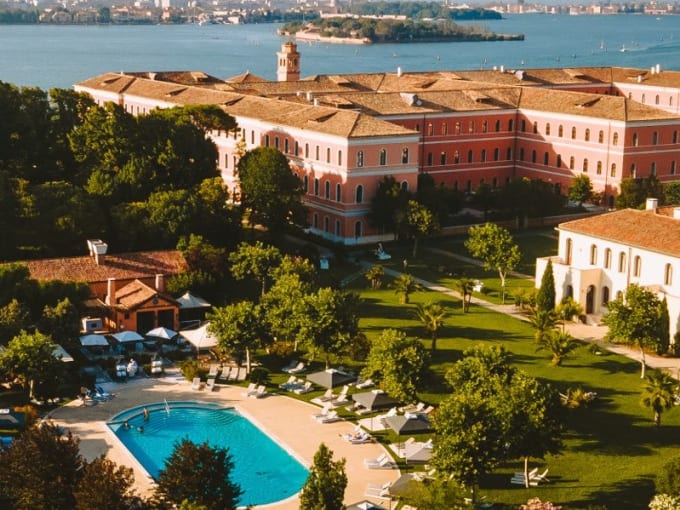
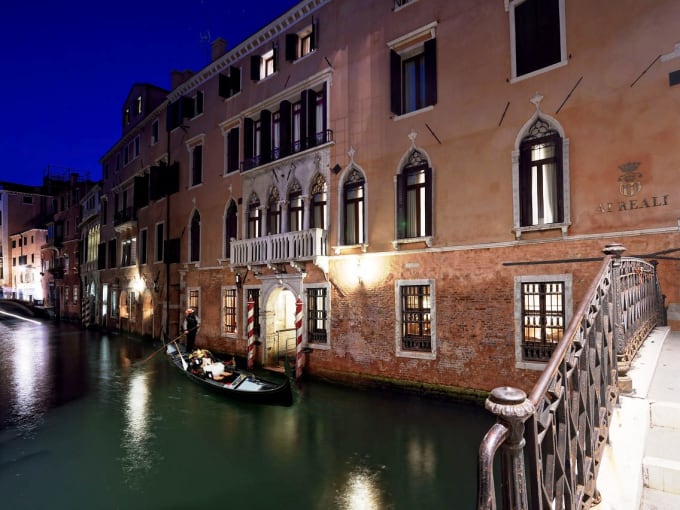
The Venetian landscape is more varied than the postcard image suggests. This ranking includes historic palaces rooted in the centre, such as Aman Venice or The Gritti Palace. It also features more spacious retreats, away from the main flow, like San Clemente Palace Kempinski Venice. Belmond Hotel Cipriani, often sought after by families, remains a landmark due to its location on Giudecca. Other addresses appeal to tribes seeking a more flexible format, such as Palazzo Garzoni or Hotel Ai Reali. Palazzo Experimental attracts a design-conscious audience and offers a less conventional view of Venice. Londra Palace Venezia suits those who prefer a straightforward arrival and an immediate understanding of the city. This ranking does not seek a single model; it juxtaposes different ways of experiencing Venice with children.
The trends for 2025 and 2026 confirm several underlying movements. Families are booking earlier to secure the best configurations. They also desire smoother stays, with fewer changes and more time on-site. In Venice, this favours hotels capable of organising private transfers, off-peak visits, and experiences suitable for various ages. We also see a clearer demand for outdoor spaces. A garden, terrace, or pool holds particular value in a dense city. Another trend is the resurgence of intergenerational travel. Grandparents, parents, and children share the same address, but not always the same pace. Hotels that can balance intimacy and proximity become increasingly relevant. My advice is clear: in Venice, the right family hotel is often the one that reduces invisible fatigue.
This perspective aligns with our vision of luxury at Le Concierge. Luxury is not an accumulation of signs; it lies in the precision of a stay. In Venice, this precision is reflected in the silence of an inner courtyard, a convenient dock, or a team that understands that a tired child can alter the entire itinerary. Heritage matters, of course. Sleeping in a palace, viewing the lagoon from your room, or reaching St Mark's Square by boat remains a rare privilege. However, true family comfort is measured differently. It is evident in the ease of movement, the flexibility of schedules, and the quality of attention. This is a very French approach to service. We seek less for effect and more for consistency, from waking up to returning in the evening.
Thus, this ranking should be read without seeking an absolute truth. Each hotel has its audience, rhythm, and way of welcoming families. A central palace will suit those who wish to do everything on foot, even if it means accepting a denser city. An address on an island or in Giudecca will appeal more to those who prioritise space and distance. Some properties are ideal for a first stay, while others attract travellers already familiar with Venice, seeking a calmer interpretation of the destination. We do not oppose these approaches; we rank them according to family relevance, using stable criteria. It is important to note that a highly iconic hotel is not automatically the simplest with children. Conversely, a less spectacular address on paper may offer a much smoother stay.
Here is our selection of the best family hotels in Venice. The following top list distinguishes the most compelling addresses from this specific angle. It does not summarise the entire city but helps make the right choice.