Place de la Concorde
La place de la Concorde, à Paris, relie les Tuileries, les Champs-Élysées et la Seine autour de l'obélisque, avec une forte portée historique.
En images


À propos
La place de la Concorde compte parmi les grands repères urbains de Paris. Elle relie le jardin des Tuileries, les Champs-Élysées, la Madeleine et les quais. Sa lecture est simple sur un plan. Son échelle réelle surprend souvent.
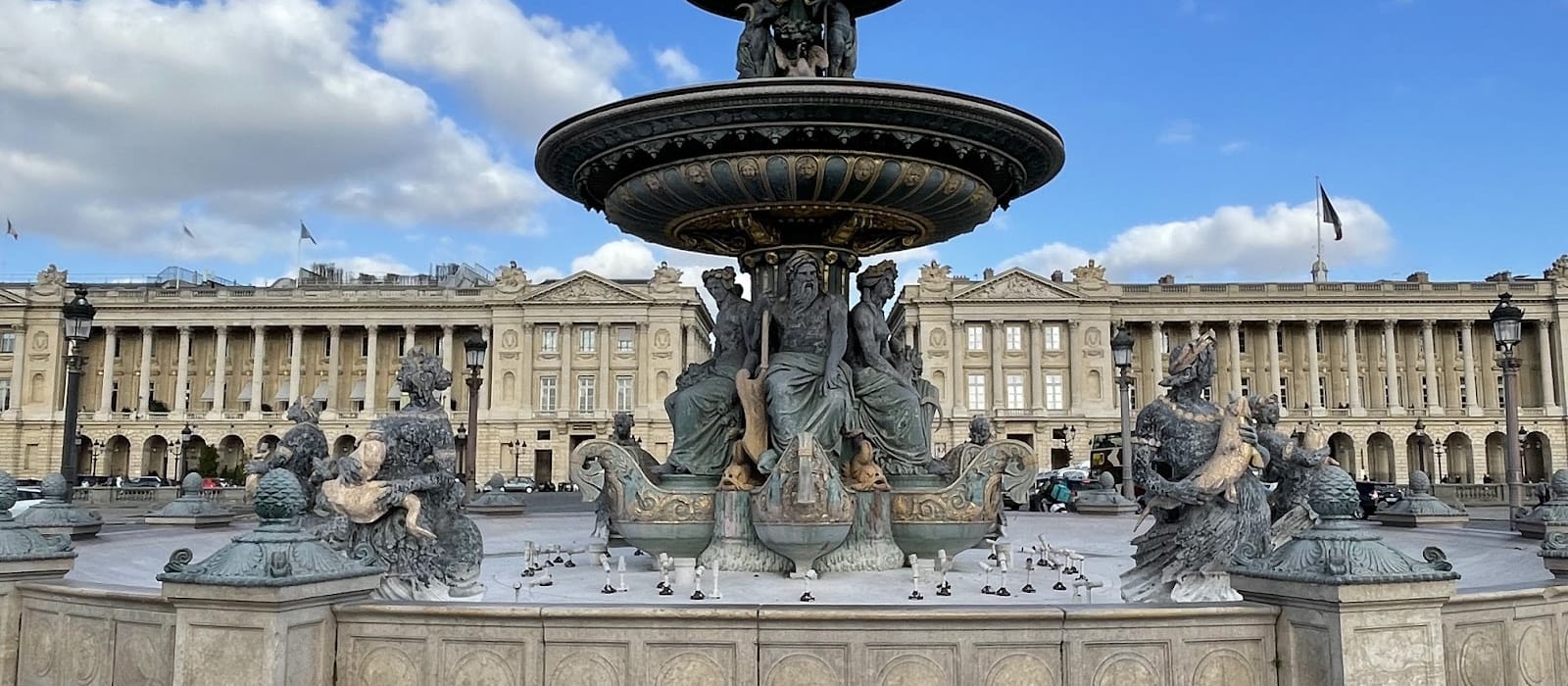
Le centre visuel reste l'obélisque. Autour, les fontaines, les perspectives et la circulation composent un lieu à regarder autant qu'à traverser. L'histoire de la place de la Concorde est aussi essentielle à comprendre. Le site fut lié à la Révolution française et à l'usage de la guillotine.
Visiter intelligemment demande surtout du timing. Tôt le matin, la lumière est plus douce et les traversées sont plus fluides. En fin de journée, les vues vers les Tuileries et l'axe des Champs-Élysées sont très lisibles. Pour les photos, restez sur les bords et les passages protégés.
Ce n'est pas une visite de musée, mais un point de lecture de Paris. On y vient pour saisir un axe, une histoire et plusieurs monuments en quelques minutes. Puis on poursuit vers les Tuileries, le Louvre ou la rive droite.
Le Conseil du Concierge
Commencez par le côté Tuileries, puis traversez vers l'obélisque en utilisant uniquement les passages protégés. Le matin offre une circulation plus lisible et de meilleures photos. Par temps chaud ou venteux, la place se parcourt vite. Elle s'apprécie mieux dans une promenade plus large. Enchaînez ensuite avec le jardin des Tuileries ou les quais selon votre rythme.
Demander au Concierge
Notre Concierge organise votre visite sur mesure : billets coupe-file, guide privé, horaires confidentiels.
Demander au ConciergeQuestions fréquentes
- Pourquoi la place de la Concorde est-elle célèbre ?
- La place de la Concorde est célèbre pour sa position dans l'axe historique de Paris et pour son rôle dans l'histoire révolutionnaire. Elle relie plusieurs quartiers majeurs et rassemble un obélisque, des fontaines et de vastes perspectives. C'est à la fois un monument urbain, un carrefour et un lieu de mémoire.
- Quelle est l'histoire de la place de la Concorde ?
- La place a changé de nom et de signification au fil des régimes politiques. Elle fut un théâtre public majeur pendant la Révolution française. Son nom actuel évoque l'idée de réconciliation après une période de violence. Aujourd'hui, on la lit surtout comme un grand repère historique et urbain.
- Pourquoi la place de la Concorde s'appelle comme ça ?
- Le nom Concorde renvoie à une volonté d'apaisement politique après les violences révolutionnaires. Il exprime l'idée d'entente civile plutôt qu'un simple repère géographique. Ce changement de nom fait partie de la lecture historique du lieu et aide à comprendre sa portée symbolique dans Paris.
- Quel est le symbole de la place de la Concorde ?
- Le symbole le plus visible est l'obélisque au centre de la place. Il structure les vues et sert de point de repère immédiat. Mais le lieu symbolise aussi un basculement historique, entre mémoire révolutionnaire, pouvoir urbain et volonté de réconciliation inscrite dans son nom.
- Quels sont les monuments de la place de la Concorde ?
- On vient surtout pour l'obélisque, les fontaines et les grandes perspectives vers les Tuileries et les Champs-Élysées. Les bâtiments qui bordent la place participent aussi à son équilibre visuel. L'intérêt tient moins à une collection de monuments qu'à la composition d'ensemble et à l'axe qu'elle organise.
- Qui a été guillotiné place de la Concorde ?
- La place est fortement associée aux exécutions de la Révolution française. Plusieurs figures majeures y furent guillotinées, ce qui explique la présence fréquente du thème place de la Concorde guillotine dans les recherches. Pour une visite sur place, retenez surtout que cette mémoire historique fait partie du sens du lieu.
- Combien de temps prévoir pour visiter la place de la Concorde ?
- Comptez environ quinze à trente minutes pour observer la place, traverser en sécurité et profiter des vues. Prévoyez davantage si vous l'intégrez aux Tuileries, aux quais ou aux Champs-Élysées. Ce lieu se visite bien comme étape courte dans un itinéraire plus large, plutôt que comme arrêt prolongé.
- Quel est le meilleur moment pour voir la place de la Concorde ?
- Le matin est souvent le moment le plus confortable pour lire l'espace et prendre des photos. La fin d'après-midi peut aussi offrir de belles perspectives. Évitez les moments de forte affluence ou de circulation dense si vous voyagez avec des enfants. Le site reste avant tout un grand carrefour urbain.
Hôtels à proximité
Notre sélection d'hôtels d'exception à quelques pas de ce lieu.