Shibuya Crossing
Shibuya Crossing in Tokyo is the city’s most famous pedestrian scramble. It sits in the heart of Shibuya, with several viewing spots around the junction.
In pictures


About
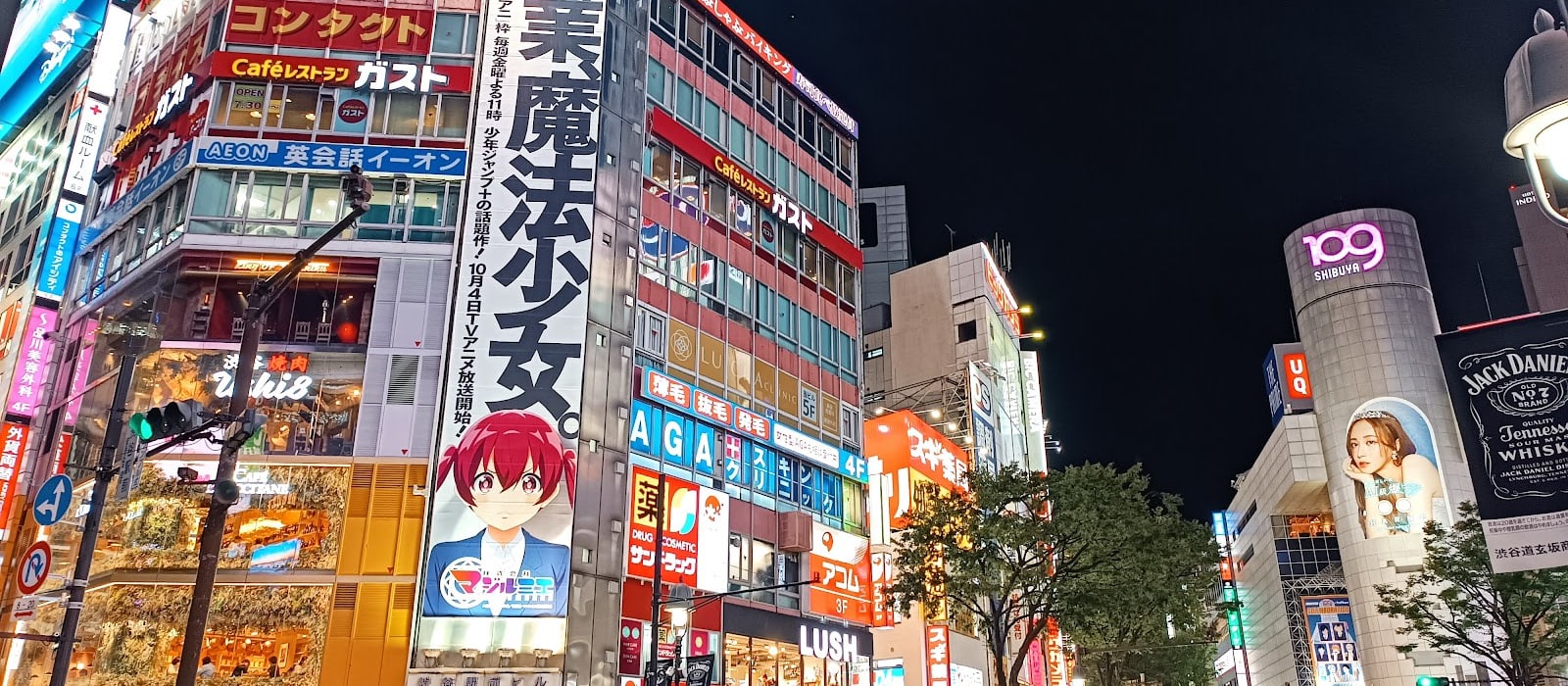
Shibuya Crossing is Tokyo’s best-known junction. This famous pedestrian scramble captures the pace of Shibuya in a single scene. At each light cycle, people move across from several directions. They pass beneath large screens and busy facades.
People come here less for a monument in the traditional sense and more for an urban experience. Shibuya Crossing Tokyo matters because it reflects the city’s contemporary image. You can experience it at street level. Then step upstairs nearby for a broader Shibuya Crossing view.
A smart visit works best when paired with Shibuya Station and the surrounding shopping streets. If you want a higher perspective, look toward buildings around the junction, including Shibuya Scramble Square. The crossing itself is quick to see. The neighborhood easily fills a longer walk.
Timing changes the mood. Daylight makes the layout easier to read and is often better for photos. Evening brings brighter signs and heavier foot traffic. In rainy months, reflections add atmosphere. Pavements can also feel more crowded. If the area feels too busy, return early in the morning for a calmer look.
The Concierge's Tip
Start with an elevated viewpoint, then cross on foot afterward. The sequence makes the junction easier to understand. Late afternoon and evening usually feel livelier. Morning is often better for cleaner photos and lighter crowds. In wet weather, allow extra time and wear suitable shoes. If the crossing feels too busy, explore nearby side streets first, then return for a shorter stop.
Ask the Concierge
Our Concierge arranges your visit: skip-the-line tickets, a private guide, off-hours access.
Ask the ConciergeFrequently asked questions
- Why is Shibuya Crossing famous?
- Shibuya Crossing is famous for its multi-directional pedestrian scramble in one of Tokyo’s busiest districts. It has become a strong visual symbol of modern Tokyo. The appeal is not only the crossing itself, but also the contrast between street-level movement and the wider views from nearby buildings. It is easy to visit and fits naturally into a broader walk around Shibuya.
- Where is Shibuya Crossing in Tokyo?
- Shibuya Crossing sits directly outside Shibuya Station, in the center of the district. It is easy to locate once you arrive. If you come by train or subway, follow the main station exits toward the large junction. Viewing spots are spread across nearby buildings, so you can combine the crossing with shopping streets and station-side walks.
- What is the best time to see Shibuya Crossing?
- It depends on the mood you want. Daytime is clearer for understanding the layout and moving around comfortably. Evening usually brings brighter signs and a stronger city atmosphere. Morning can feel calmer and may suit travelers who prefer lighter crowds. On rainy days, reflections add character, though the area can feel more compressed under umbrellas.
- Where is the best place to view Shibuya Crossing?
- Street level gives the most immediate experience because you cross with everyone else. For a wider Shibuya Crossing view, choose an upper floor in a nearby building. Some visitors look toward Shibuya Scramble Square, while others prefer closer angles around the junction. The best option depends on weather, crowd levels, and whether you want broad city context or tighter photos.
- How much time should you allow for Shibuya Crossing?
- The crossing itself is quick to experience. A short stop is enough to cross, watch the flow, and take a few photos. Allow more time if you want to test different viewpoints or explore the surrounding streets. In practice, Shibuya Crossing works best as one stop within a wider Shibuya itinerary rather than a long standalone visit.
- Is Shibuya Crossing suitable for families?
- Yes, provided you are comfortable with a dense and busy urban setting. It is easy to reach and visually engaging for children, especially after dark. The busiest periods can feel tiring with young children or a stroller, so timing matters. Families often find it easier to start from a viewpoint, then decide whether to cross once they gauge the crowd.
- Are there any etiquette rules to follow at Shibuya Crossing?
- Yes. Stay within pedestrian areas, follow the traffic lights, and avoid stopping in the middle of the flow for photos or video. In such a busy place, movement matters as much as safety. A discreet, mobile approach makes the experience smoother for everyone. If you want to watch for longer, do it from a viewpoint rather than from the crossing itself.