Tours Duo
Tours Duo brings together two contemporary towers in Paris’s 13th arrondissement, near the Seine and the BnF, with a striking urban skyline presence.
In pictures


About
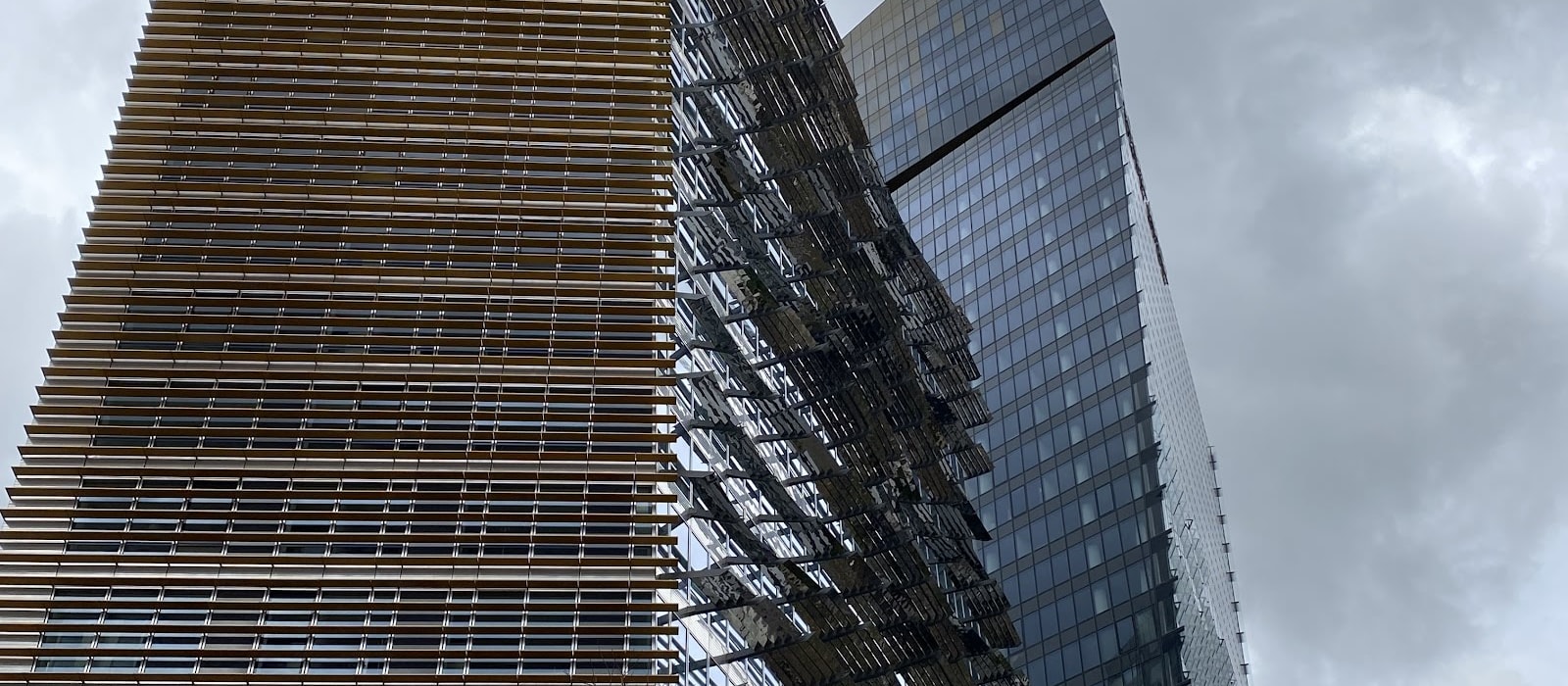
Tours Duo marks the south-eastern edge of Paris with two contemporary towers that stand out on the skyline. The site sits in the 13th arrondissement, close to the Seine and the Paris Rive Gauche district.
This is a smart stop if you want to see a different side of Paris. The appeal lies in both the towers themselves and the changing neighbourhood around them. The contrast with older central districts is clear. It works best as part of a wider walk, paired with the Bibliothèque nationale de France, the riverbanks, or Bercy.
This is not a classic historic monument. It is more of an urban landmark, best suited to guests interested in contemporary architecture, city planning, photography, and open views. Some visitors only pause briefly for the exterior. Others use it as a starting point to explore the area further.
It is easiest to approach on foot from the BnF area or by public transport. Clear weather helps, as the lines and proportions read better. In cooler months, combine it with an indoor stop nearby, as the district can feel open and breezy.
The Concierge's Tip
Aim for late afternoon on a clear day. Start from the BnF side, then walk toward the Seine to understand the district more naturally. This is mainly an exterior visit, so weather matters. On windy or grey days, pair it with an indoor stop nearby to keep the outing comfortable. In winter, the area can feel exposed, while spring light is often better for photos.
Ask the Concierge
Our Concierge arranges your visit: skip-the-line tickets, a private guide, off-hours access.
Ask the ConciergeFrequently asked questions
- How much time should I allow for Tours Duo?
- Allow anywhere from 20 minutes to about an hour, depending on your interest. A brief stop is enough for the exterior views. If you combine it with a walk to the BnF or along the river, plan for longer. It works best as one stop within a wider 13th arrondissement itinerary.
- How do you get to Tours Duo?
- It is easy to reach by public transport or on foot from the Bibliothèque nationale de France area. The district is modern and fairly open, so distances can feel longer than in older central Paris. Comfortable shoes are useful if you plan to continue toward the Seine or over to Bercy afterwards.
- When is the best time to visit?
- Clear weather is usually best, especially in late afternoon, when the light defines the towers and the surrounding cityscape more clearly. On grey or rainy days, the visual impact is softer. Morning can also work well if you prefer a quieter atmosphere for walking, architecture viewing, or photography.
- Can you visit the inside?
- That depends on which areas are open to the public when you visit. It is safest to treat Tours Duo primarily as an exterior stop. If you have a specific venue inside in mind, check access conditions on the day. The site still makes sense from the public realm, even without going indoors.
- Is Tours Duo suitable for families?
- Yes, especially for a short stop or an easy walk. It suits families who enjoy city views and open-air exploration more than those looking for a dedicated attraction on site. With children, it works better when paired with the riverbanks or another more playful stop nearby to vary the outing.
- Do you need a reservation to see Tours Duo?
- No reservation is needed for the exterior, which can be seen freely from public space. Some venues within the complex may have their own access rules, so check ahead if you are aiming for something specific. For a straightforward architecture stop, no booking is generally required.
- Which area is best to stay in for visiting Tours Duo?
- The 13th arrondissement, especially around the BnF or Paris Rive Gauche, makes the easiest base if you want to walk there. Bercy is another practical option. From central Paris, it remains a simple detour by public transport. The best choice depends on whether your trip leans more modern Left Bank or classic central districts.