Musée de la Libération de Paris - Musée du général Leclerc - Musée Jean Moulin
A museum near Denfert-Rochereau devoted to the Liberation of Paris, General Leclerc and Jean Moulin, with a clear historical route through wartime Paris.
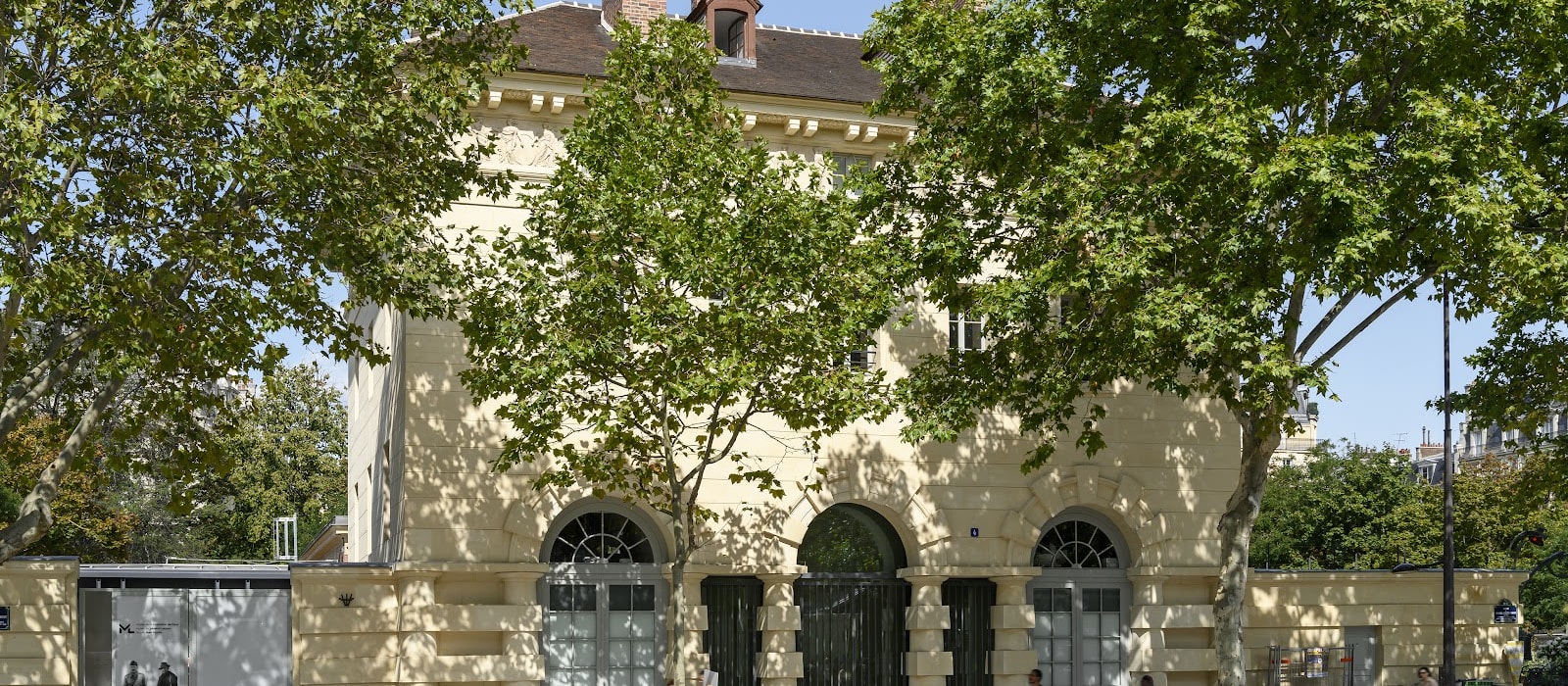
In pictures


About
This museum focuses on the Liberation of Paris through three connected stories: General Leclerc, Jean Moulin and the wider Resistance. It gives useful context for wartime Paris without requiring deep prior knowledge.
The route helps visitors understand the Occupation, underground networks and the final days leading to the August 1944 liberation. The narrative is structured and easy to follow, which makes the visit rewarding even on a first approach.
Its location near Denfert-Rochereau makes it practical from the Left Bank or Montparnasse. It works well as a focused morning visit, or as a quieter stop early in the afternoon.
A chronological approach is the best way to visit. Start with the broader historical context, then follow the individual trajectories. That order makes the final sections more coherent and more affecting.
If the museum feels busy, pause in the introductory rooms and return to denser sections later. In colder months, it pairs well with other indoor visits nearby. In fair weather, continue with a walk through the 14th arrondissement after the museum.
The Concierge's Tip
Go earlier in the day rather than mid-afternoon. The museum is easier to follow when you keep the route chronological from the start. Denfert-Rochereau is the simplest access point, especially from the Left Bank. Allow enough time to read the historical context properly. In winter, pair it with another indoor stop nearby. With children, focus on one theme, such as the Resistance or the Liberation of Paris.
Ask the Concierge
Our Concierge arranges your visit: skip-the-line tickets, a private guide, off-hours access.
Ask the ConciergeFrequently asked questions
- How much time should I allow for the visit?
- Allow roughly 90 minutes to two hours, depending on how closely you read the displays. The subject benefits from a steady pace. If you usually spend time with historical material, keep a little extra margin. A shorter visit is possible, but the broader context will feel less complete.
- What is the easiest way to get there from a Paris hotel?
- The museum is easiest to reach via Denfert-Rochereau, a well-connected area of Paris. It is especially convenient from the Left Bank and Montparnasse. Driving can be less practical depending on traffic. For a smooth visit, public transport or a direct taxi ride usually makes the most sense.
- When is the best time to visit?
- Morning is often the most comfortable time, especially if you want to read and move at an even pace. Early afternoon can also work well outside busier periods. On rainy or cold days, it is a strong indoor option. If you prefer quieter galleries, avoid peak school and tourist times when possible.
- Is the museum suitable for families?
- Yes, particularly for teenagers or children who already respond well to history. The subject is serious, so a simple angle helps. It is often easier to focus on one thread, such as the Resistance, daily life under the Occupation or the Liberation of Paris. That keeps the visit clearer and more engaging.
- Do I need to book in advance?
- That mainly depends on the season and how fixed your schedule is. If you want a smooth day, check current visiting conditions before leaving. When your itinerary is tight, planning ahead is sensible. Outside busier periods, a spontaneous visit may still be straightforward, depending on attendance.
- Are there convenient hotels nearby?
- Yes. Denfert-Rochereau and the 14th arrondissement are practical bases for this visit. Montparnasse is also a good option if you want strong transport links and easy dining nearby. From these areas, the museum fits naturally into a Paris day. They suit travelers who prefer a calmer stay without feeling remote.
- Can I combine it with another visit on the same day?
- Yes, especially if you stay on the southern Left Bank. It pairs well with a neighborhood walk or another nearby cultural stop. Keep the day balanced, though, because the material asks for attention. It is usually better not to stack too many dense historical visits into the same afternoon.