Métropole Grecque Orthodoxe
In Paris’s 16th arrondissement, the Greek Orthodox Metropolis is a place of worship. It is tied to the city’s Greek Orthodox community and to quiet heritage visits.
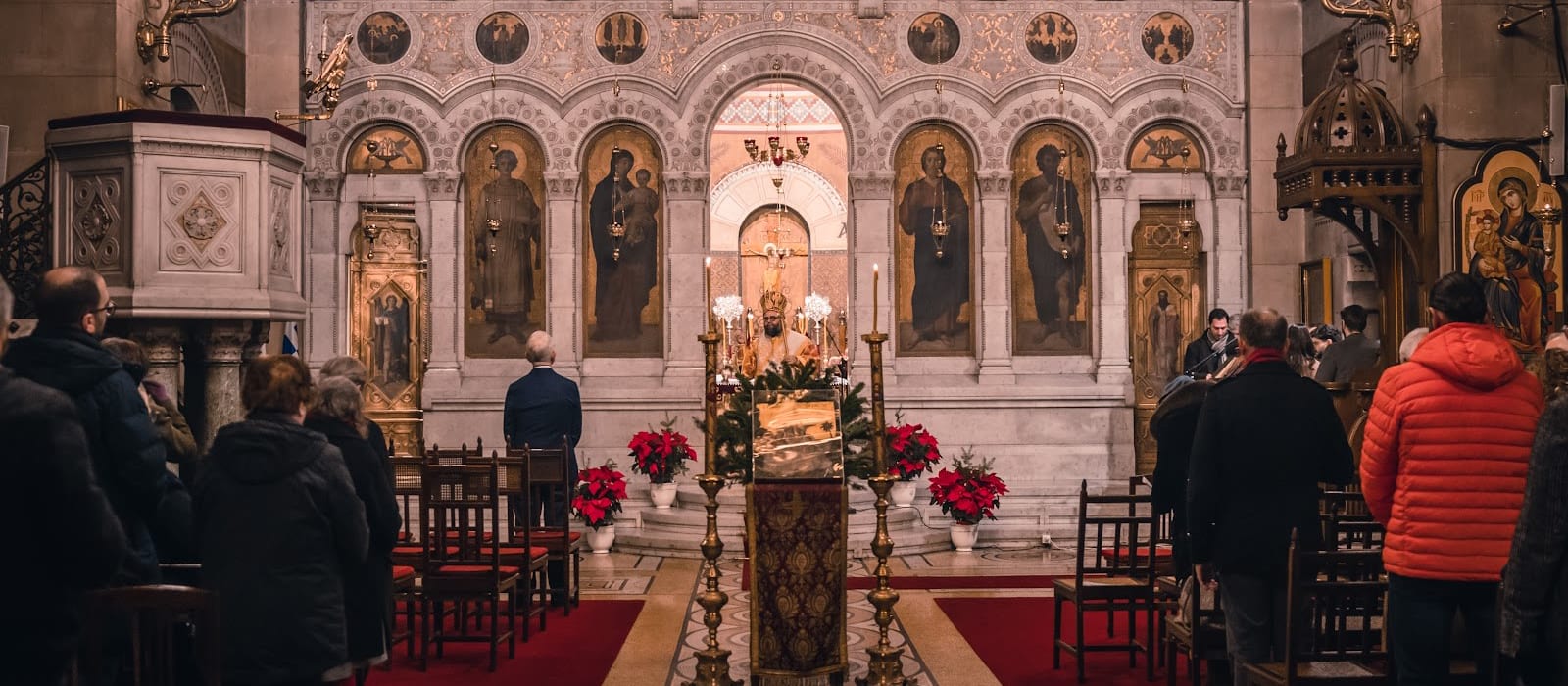
In pictures


About
The Greek Orthodox Metropolis in Paris’s 16th arrondissement is, first and foremost, a working place of worship. For visitors, its interest also lies in the city’s wider spiritual landscape.
Here, “metropolis” refers to an Orthodox ecclesiastical jurisdiction, not an urban label. It is overseen by a metropolitan. He carries pastoral and administrative responsibility within the Greek Orthodox Church.
If you are looking for a Greek Orthodox church in Paris, this address may fit naturally into your route. It is best approached with discretion. Services, prayer times, and community life take priority over sightseeing.
The area works well for a short stop. It also pairs easily with other addresses in the 16th arrondissement or nearby avenues. Expect a quiet visit rather than a long one. Modest dress and respectful behavior are advisable. Interior access may depend on what is happening that day.
For a well-planned visit, check access conditions locally before planning around it. If the interior is closed, the site still helps explain Greek Orthodox presence in Paris. In colder months, combine it with a nearby indoor stop. In fair weather, pair it with a short neighborhood walk.
The Concierge's Tip
Aim for a morning or early afternoon visit, outside major service times. The setting is often quieter then. Dress modestly and plan for a brief stop rather than a long tour. Interior access may change according to worship or parish activity. In winter, pair it with another indoor address nearby. In mild weather, add a short walk through the 16th arrondissement instead of making a dedicated trip just for this stop.
Ask the Concierge
Our Concierge arranges your visit: skip-the-line tickets, a private guide, off-hours access.
Ask the ConciergeFrequently asked questions
- What does “metropolis” mean in Orthodox Christianity?
- In Orthodox Christianity, a metropolis is an ecclesiastical jurisdiction. It brings together parishes under the authority of a metropolitan. At this Paris address, the word describes church organization rather than architecture. That distinction matters for visitors. The site is primarily a living religious place, not a museum-style attraction.
- What is a metropolitan in the Greek Orthodox Church?
- A metropolitan is a bishop who leads a metropolis. The role is pastoral, liturgical, and administrative. For visitors, this means the site belongs to a defined church structure. It may host services, meetings, or community events. Access can sometimes be limited or shaped by religious activity on the day.
- Can you visit the Greek Orthodox Metropolis in Paris?
- Yes, but it should be approached as an active place of worship. Interior access may depend on a service, a ceremony, or parish activity. A short, discreet visit is usually more appropriate than a long stop. If your main interest is seeing the interior, it is wise to check local conditions when you arrive.
- How much time should you allow for a visit?
- For most travelers, a short stop is enough. Think in terms of quiet observation and reflection rather than a detailed tour. The actual time depends on whether the interior is accessible and on religious activity that day. It works best as part of a broader walk through the 16th arrondissement.
- When is the best time to go?
- A quieter time, outside major services and religious feasts, is often best for visitors. You are more likely to find a calm atmosphere then. During important liturgical moments, sightseeing may be restricted or simply less appropriate. If your interest is mainly cultural, keep this stop flexible within your day.
- Is it suitable for families?
- Yes, provided the visit stays brief and respectful. Children usually do best if they understand the quiet atmosphere expected inside or around the site. This is not a family attraction in the leisure sense. It suits families interested in religious heritage more than those looking for an interactive visit.
- What does “Greek Orthodox” mean in this context?
- Here, “Greek Orthodox” refers to the Greek Orthodox religious tradition and the community connected to it. The term describes an ecclesiastical and cultural identity, not a requirement of nationality for worshippers or visitors. For travelers, it mainly helps explain the site’s spiritual identity within Paris.
Hotels nearby
Our selection of extraordinary hotels a short walk from this place.