Former national asylum for convalescents at Saint-Maurice
This former care institution in Saint-Maurice offers a discreet entry point into hospital and psychiatric history just outside Paris.
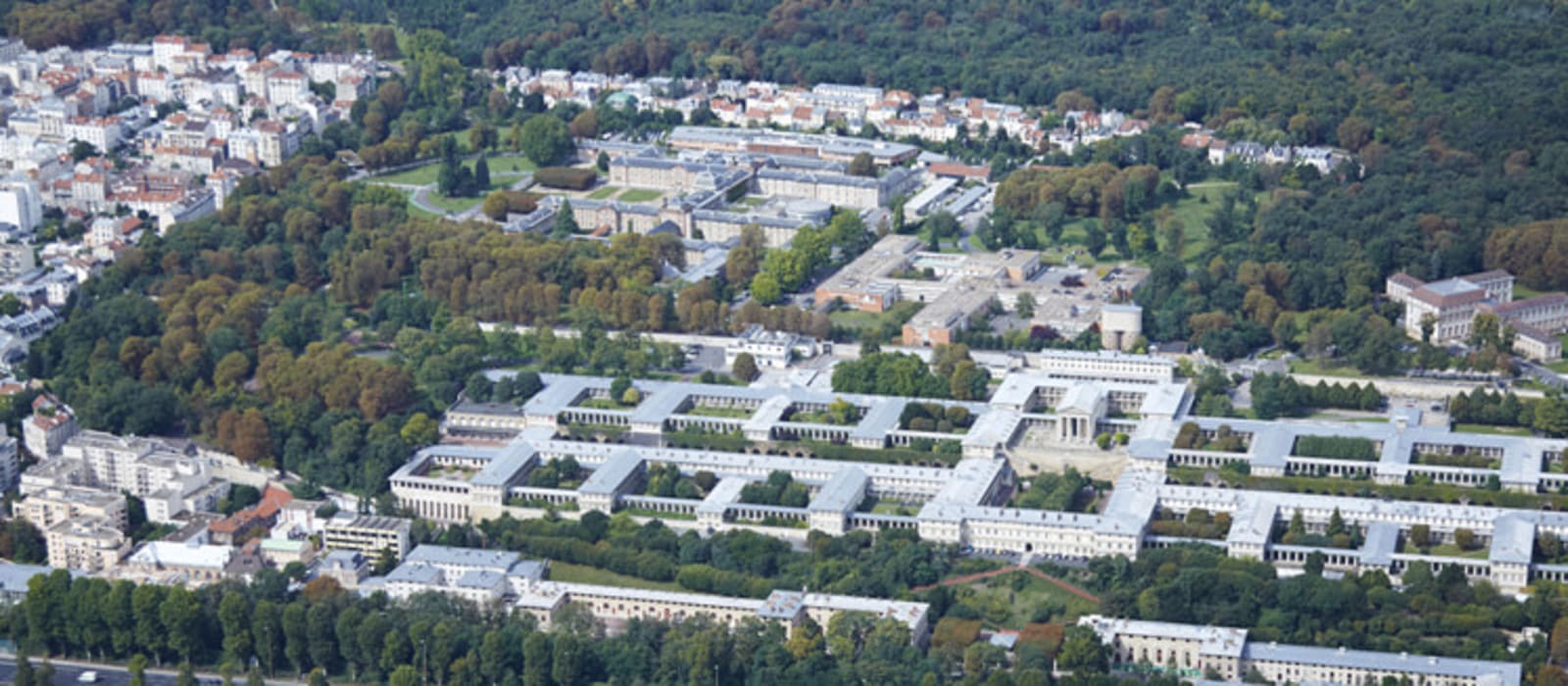
In pictures


About
The former national convalescent asylum in Saint-Maurice stands just outside Paris, in an area long associated with healthcare. It will mainly appeal to guests interested in medical history. It also helps explain how care institutions evolved over time.
This is best approached as a site to read rather than a monument to tour. You come to understand a former convalescent complex. You do not come for a staged attraction. If access is limited, the value still lies in the layout, scale, and setting within Saint-Maurice.
The place is often considered alongside the wider history of Saint-Maurice hospitals and the Esquirol site. Both are linked in public searches to psychiatry and rehabilitation. It is important, however, to separate active hospital functions from older structures. That distinction makes planning much easier.
For a smart visit, pair it with a walk in eastern Paris or near the Bois de Vincennes. Always check current access conditions before going. In quieter seasons, the area feels easier to read. If the site proves closed, the surrounding district still offers useful historical context.
The Concierge's Tip
Plan this stop in daylight and check access before you leave. The site makes more sense on foot, starting with its position within Saint-Maurice. Allow a short detour and pair it with Bois de Vincennes or eastern Paris. In cooler months, the walk is often more comfortable. If access is restricted, keep expectations practical. The real value is the hospital context and the way the buildings read from the outside.
Ask the Concierge
Our Concierge arranges your visit: skip-the-line tickets, a private guide, off-hours access.
Ask the ConciergeFrequently asked questions
- What is the history of Saint-Maurice Hospital?
- Saint-Maurice has a long healthcare history, with different institutions linked to convalescence, psychiatry, and rehabilitation. For this specific place, it is important to separate the former site from hospitals still operating nearby. That distinction matters when planning a visit. It also helps explain why public information can seem mixed or incomplete.
- Is this place connected to the history of Esquirol Hospital?
- Yes, in the broader sense of Saint-Maurice's medical landscape. Public searches often connect the area with the Esquirol site and the history of psychiatry. On the ground, though, it is wise to stay precise. Not every building or function mentioned online belongs to this exact place or to a freely visitable site.
- Can you visit the former national convalescent asylum in Saint-Maurice freely?
- Access may be partial, variable, or restricted depending on the area. It is best to confirm current conditions before making the trip. At places like this, the visit often means reading the exterior and understanding the urban setting. You should not assume standard museum-style access.
- How much time should I allow for the visit?
- A short stop is usually enough, especially if interior access is not available. The useful visit time depends on your interest in hospital history and site planning. Many guests include it within a broader walk. It works well with Saint-Maurice, Bois de Vincennes, or a wider eastern Paris itinerary.
- When is the best time to see this site?
- Daylight is best, as it makes the buildings and overall layout easier to understand. Dry weather also improves the walk. Weekdays can feel more functional around healthcare areas. Weekends may be quieter, depending on the immediate surroundings. In every case, check access conditions before you go.
- Is it suitable for families?
- Yes, if you want a short and quiet stop with a simple historical angle. It is not, however, a playful attraction designed for children. The interest is mostly contextual. With younger visitors, it works better when paired with a park or a more varied walk nearby.
- What happened to former sanatoriums and convalescent sites like this one?
- Many were repurposed, absorbed into larger healthcare systems, or no longer visited as standard heritage sites. This place helps make that transition understandable. It shows how spaces designed for recovery could lose their original role. They can still retain historical value within the urban and medical landscape.