Jardin Majorelle
Jardin Majorelle in Marrakech is a compact botanical garden known for vivid colors, shaded paths, and a short visit that often draws steady crowds.
In pictures


About
Jardin Majorelle in Marrakech is best approached as a study in color, shade, water, and planting. The garden is compact, so it fits easily into a morning or a light afternoon plan.
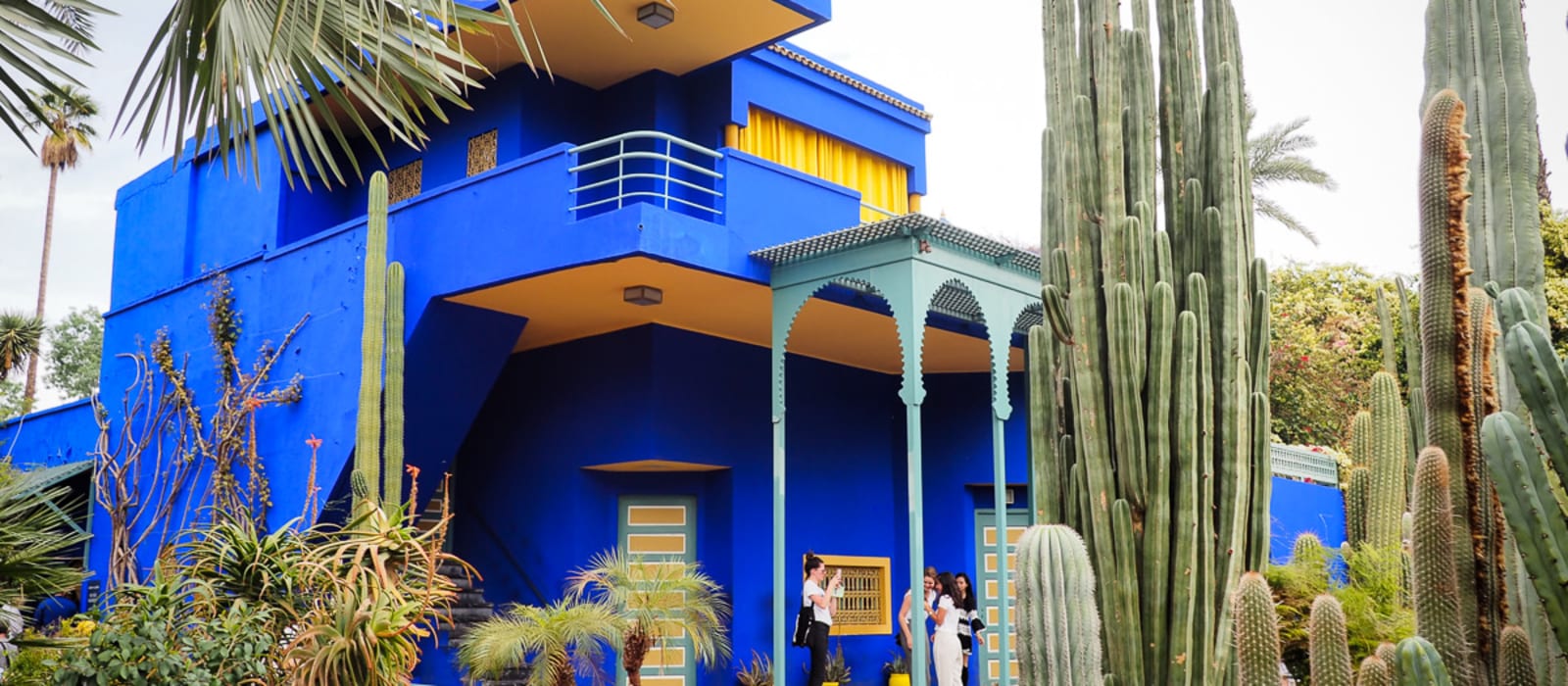
Many visitors come for the atmosphere as much as for Jardin Majorelle photos. Pools, pathways, and bold blue surfaces create a clear route through the space. Its appeal also comes from its history. It began as an artist's garden and later became a well-known cultural stop in Marrakech.
The visit is usually short. Allow roughly 45 minutes to 1 hour 30, depending on queues, your pace, and how long you spend taking photos. If you like botanical detail, give yourself extra time.
The best time to visit Jardin Majorelle is often early in the day. Light is softer, temperatures are easier, and the paths tend to feel calmer. Midday can be busier, especially in peak travel periods.
For a smoother visit, wear stable shoes and bring sun protection. Check the official website for current access conditions and ticket information. In warmer months, pair it with an indoor museum or a long lunch nearby after your visit.
The Concierge's Tip
Go early, ideally at the start of the morning, especially if Jardin Majorelle photos matter to you. The visit is fairly short, so pair it with another nearby stop rather than building your whole day around it. In hotter months, bring water and sun protection. If the entrance area looks crowded, switch plans and return on a quieter morning if your schedule allows.
Ask the Concierge
Our Concierge arranges your visit: skip-the-line tickets, a private guide, off-hours access.
Ask the ConciergeFrequently asked questions
- What is the history of Jardin Majorelle in Marrakech?
- Jardin Majorelle began as an artist's garden, shaped around plants, water, and strong color contrasts. Over time, it became a well-known cultural site in Marrakech. For visitors, the key point is simple. Its value comes from both its history and its carefully composed visual atmosphere.
- How much time should you allow for Jardin Majorelle?
- Most visitors spend between 45 minutes and 1 hour 30. Timing depends on queues, your pace, and how much time you devote to photos. If you prefer a slow visit or enjoy looking closely at planting details, it is wise to allow a little extra time.
- When is the best time to visit Jardin Majorelle?
- Early morning is often the best choice. Light is gentler, temperatures are easier, and the garden usually feels calmer. Midday can be more crowded and warmer. If your schedule is flexible, a weekday outside peak travel periods generally offers a smoother visit.
- Why is Jardin Majorelle blue?
- The blue is central to the garden's identity. It frames the space, highlights the plants, and creates a strong contrast with Marrakech light. Even without going into every historical detail, visitors quickly see that the color is not just decorative. It shapes the entire visual experience.
- Is there a dress code for Jardin Majorelle?
- There is generally no formal dress code for a garden visit. Practical clothing works best: light layers, comfortable shoes, and sun protection. A simple, respectful outfit is the easiest choice in Marrakech, especially if you plan to continue your day elsewhere after the visit.
- What are the best practical tips for visiting Jardin Majorelle in Marrakech?
- Arrive early, travel light, and keep water with you. Check the official website before leaving for current access details. Because the visit is short, it pairs well with another stop in the same half day. If you prefer a quieter experience, avoid the middle of the day whenever possible.
- Who is buried at Jardin Majorelle?
- This is a common question, but it is not the most useful one for planning your visit. From a travel perspective, timing, comfort, and crowd levels matter more. If this historical point is important to you, it is best to confirm it through an official or cultural source before visiting.