History & heritage
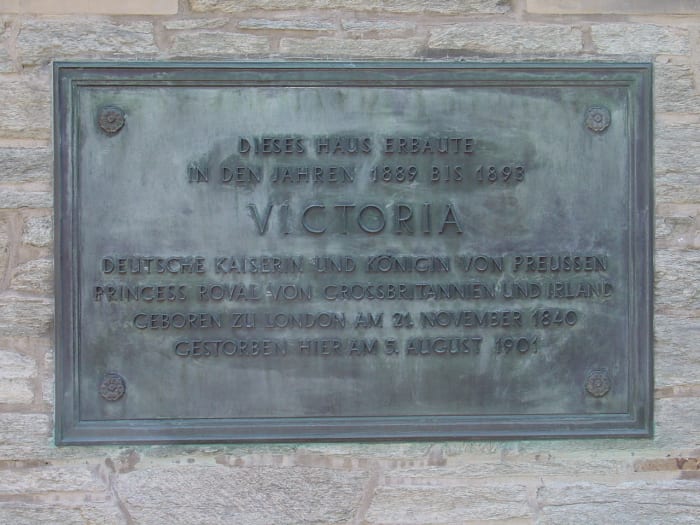
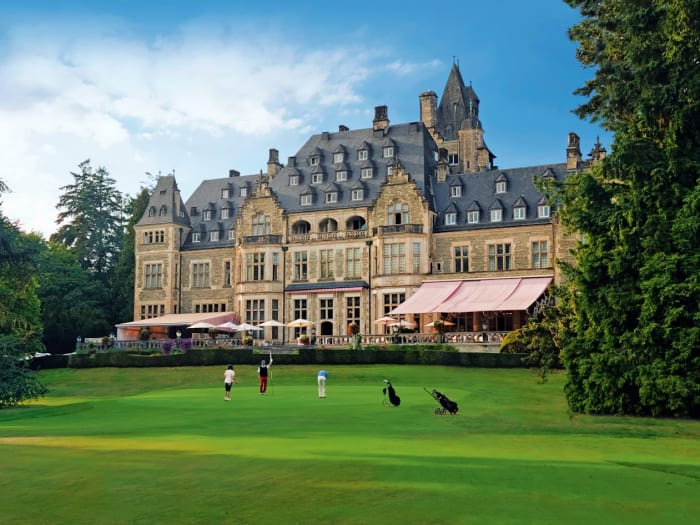
Schlosshotel Kronberg belongs to a distinctly European tradition: that of aristocratic residences transformed into destination hotels, where guests do not simply spend the night but briefly inhabit a certain idea of refinement. In Kronberg, a small Taunus town known for its residential character, heritage and proximity to Frankfurt, the property cultivates precisely this dialogue between memory and contemporary hospitality. The very name sets the tone: a castle hotel, or rather an experience shaped by the language of the castle — perspective, ceremony and a sense of long duration.
What makes the place compelling is first and foremost its historic atmosphere. Here, architecture, proportions and interiors create a feeling of continuity. This is not a standard luxury hotel dressed in period references, but an address that openly claims its patrimonial roots. Wood panelling, lounges, circulation spaces and the relationship between the building and its grounds all contribute to a sense of residence rather than mere accommodation. That density of atmosphere is central to the personality of Schlosshotel Kronberg and sets it apart from more contemporary luxury properties, often driven by visual impact or overt design statements.
Its heritage is also expressed in the rhythm of the stay. Europe’s great historic hotels tend to share certain qualities: discreet arrivals, public rooms designed for conversation, close attention to service details and a sense of calm that never excludes elegance or precision. Schlosshotel Kronberg appears to belong to this family of addresses where the quality of a moment in a lounge, a view over the gardens or the feeling of being removed from the world matters as much as the efficiency of the amenities. This is not demonstrative luxury; it is luxury rooted in setting, texture and continuity.
Its membership of Small Luxury Hotels of the World reinforces that reading. Such an affiliation generally suggests a property of strong identity, human scale and a more individual than standardised approach to high-end hospitality. In the case of Schlosshotel Kronberg, it aligns naturally with the idea of a stay defined by character, where history is not a static backdrop but a living material. Guests encounter less a museum-like narrative than an inhabited form of elegance.
For travellers familiar with Europe’s grand heritage hotels, the appeal of Schlosshotel Kronberg also lies in its distinctly German interpretation of refined hospitality. One imagines discreet rigour, understated organisation and a relationship to heritage that is more sober than theatrical. That restraint gives the property its particular tone: a noble residence open to the world yet faithful to its own spirit. It is precisely this combination of heritage, calm and hospitality that gives the address its depth and destination value.
The property
Schlosshotel Kronberg’s first luxury is arguably its setting. The hotel unfolds within a leafy environment of gardens and woodland, with that rare sense of being both sheltered and connected to its surroundings. In the five-star segment, many properties claim a relationship with nature; few enjoy such an organic dialogue between building, parkland and forest edge. Here, landscape is not a mere backdrop. It shapes the experience of the stay, from arrival to unhurried evening walks.
That relationship to the site gives the hotel an almost residential quality. One imagines tree-lined drives, long views across lawns, changing seasonal colours and the particular light of wooded estates softening both façades and interiors. Schlosshotel Kronberg seems designed for travellers seeking a form of retreat without true isolation. There is a sense of withdrawal, certainly, but not at the cost of logistical disconnection: the proximity of Kronberg’s attractions allows guests to alternate easily between calm and local discovery.
Kronberg itself plays an important role in the identity of the stay. This Hessian town, within Frankfurt’s orbit, has a human scale and a character that contrast with the intensity of the nearby financial centre. To stay at Schlosshotel Kronberg is therefore to choose a base that is quieter, more heritage-led and more landscape-oriented. For business travel, that means returning in the evening to a more restful atmosphere. For a weekend for two, it promises a setting that encourages slowness, walking and the simple pleasure of inhabiting a beautiful place.
The property appears particularly suited to travellers who value atmosphere. Some hotels impress through an accumulation of facilities; others through dramatic aesthetics. Here, what seems to matter most is coherence. The castle, the gardens, the woodland, the public rooms and the service combine to create a world that is unified, legible and immediately distinctive. That coherence is valuable: it allows the hotel to support different uses — romantic break, cultural stay, business trip, restorative pause — without losing its identity.
Seasonality naturally alters the perception of the place. In the warmer months, the outdoors become an extension of the stay: walks in the grounds, reading against a green backdrop, a broader sense of breathing space between meetings or visits. In autumn and winter, the historic castle character often comes into sharper focus. The contrast between the wooded exterior and the more enveloping interior deepens the sense of refuge. That seasonal flexibility is one of the strengths of great heritage hotels: they do not offer a single experience, but several shades of the same way of living.
Finally, the property seems to speak to a varied clientele without becoming diffuse. Couples find a naturally intimate setting; business travellers, a calm and structured environment; heritage-minded guests, an address of strong personality; those seeking rest, a direct relationship with nature. When such versatility is grounded in a place of this character, it feels anything but generic. It suggests a hotel capable of accommodating different purposes while remaining true to itself.
Rooms and Suites
In a hotel of this nature, a room is never merely functional; it extends the narrative of the place. At Schlosshotel Kronberg, the accommodations resemble true living spaces, where contemporary comfort is enveloped in a classic setting. The charm of a historic castle is also measured by the ability of its rooms and suites to preserve the character of the location, without sacrificing clarity, rest, or daily use.
Such an establishment prioritises volume, ceiling height, views of the park or gardens, and furnishings that harmonise with the spirit of the house. Elegance often lies in proportion rather than ostentation. Here, one seeks precision: fabrics selected for their durability, a soothing palette, furniture that converses with the architecture, and soft, comfortable lighting for reading or working. In a castle hotel, the success of a room hinges on this balance between historical presence and ease of use.
For business travellers as well as guests on a getaway, this quality of design makes all the difference. A successful room in a heritage establishment must accommodate various rhythms of stay: relaxation, preparation for the day ahead, a moment of reading, a quiet coffee, a few hours of concentration, or contemplation of the landscape. Schlosshotel Kronberg, with its wooded surroundings and subdued atmosphere, lends itself to this multiplicity of uses. The rooms invite you to slow down, to close the door on the outside world, and to enjoy the silence of a vast, tree-filled estate.
The suites here take on an additional dimension. More than just extra square metres, they offer a different way of inhabiting the space: more breathing room, sometimes a separation between the sleeping area and the reception area, and an enhanced sense of private residence. For a romantic stay, this means more intimacy and comfort. For a long weekend or an extended business trip, it brings a true quality of life. In characterful hotels, a successful suite is not simply larger; it is more lived-in and more in tune with the soul of the house.
The experience of a room is also judged by the quality of invisible service. Daily housekeeping and turn-down service contribute to this sense of care. In the best hotels, these gestures remain discreet yet structuring: a room tidied with precision, a softened ambiance at the end of the day, and details that make returning to the room more enjoyable.
Finally, Schlosshotel Kronberg caters to travellers attuned to silent luxury. The ideal room is not one that flaunts numerous external signs of opulence but one that makes you want to linger a little longer. A well-placed armchair, a view of greenery, welcoming bedding, a sense of calm, and aesthetic coherence with the rest of the castle are all elements that transform a hotel night into a true stay.
Dining
In a castle hotel, dining always occupies a particular place. It is not merely a practical matter of food service; it forms part of the drama of the stay. At Schlosshotel Kronberg, even without precise details about restaurants or culinary signatures, one can say that dining naturally belongs to the overall experience: that of an elegant residence surrounded by greenery, where meals punctuate the day as much as they structure it.
Breakfast, in this kind of house, often serves as a gentle introduction to the property. The appeal lies less in demonstrative abundance than in the quality of the moment: morning light over the gardens, attentive service, an unhurried rhythm, the feeling of beginning the day in a setting with real poise. In such a landscape-led environment, the early hours are often among the most pleasurable, revealing the estate in a more intimate register before sightseeing or business obligations begin. For many travellers, this is where a hotel’s lasting memory takes shape.
Lunch and dinner carry a different tone. In a historic address, the meal can become a natural extension of the lounges and public rooms, with that sense of continuity that gives great houses their charm. One readily imagines a cuisine attentive to seasonality, precision and balance rather than display. The setting calls for food that is clear and elegant, capable of accompanying both a tête-à-tête and a business meal. In a hotel of this standing, the rightness of service matters as much as the plate itself: the pacing of courses, discretion, understanding of international expectations and the ability to leave guests the space they need.
The relationship with the landscape also matters. When a hotel is surrounded by gardens and woodland, dining gains sensory depth. Meals are no longer purely indoor sequences; they become part of a day shaped by walks, views, weather and seasons. A lunch after a stroll in the grounds, tea or a drink while watching the light fade, a dinner that restores calm after a day in Frankfurt or the surrounding area: such moments give dining the role of a pause and reset. Schlosshotel Kronberg seems particularly well placed to offer that continuity between outdoors and indoors.
For travellers used to judging hotel gastronomy with some severity, the appeal of such an address often lies in coherence rather than signature effect. One expects from a place like this a cuisine in harmony with its environment, a well-handled dining room service and an atmosphere that invites lingering. Luxury here may take the form of an unhurried dinner, a conversation extended, a service that anticipates without intruding. These qualities are less spectacular than a concept, but often more memorable.
Ultimately, the dining offer of a castle hotel plays a discreet yet essential social role. It allows guests to inhabit the property fully without needing to leave it, which is especially valuable on a short stay, a romantic weekend or a dense business trip. Being able to dine on site in a setting worthy of the rest of the experience is a genuine comfort. In that sense, dining at Schlosshotel Kronberg appears as one of the natural expressions of its hospitality: a way of receiving that privileges continuity, calm and quality of execution.
Concierge & Services
Luxury in hospitality is often measured less by what is visible than by what operates quietly behind the scenes. At Schlosshotel Kronberg, several essential services shape the portrait of a hotel attentive to the real needs of travellers: 24-hour concierge, 24-hour reception, daily housekeeping, turndown service, luggage storage, laundry, wake-up calls, and multilingual staff. Taken individually, these elements may seem expected in a five-star establishment. However, when combined in a characterful venue, they take on a special significance. They allow the historical experience to remain fluid and contemporary.
The presence of a reception and concierge available at all hours is particularly important in Kronberg, whether for leisure stays or business trips related to the Frankfurt area. Late arrivals, early departures, arranging transfers, recommending visits, or handling unexpected requests: these moments often determine the perceived quality of a stay. In a well-run establishment, service is not only friendly; it is reliable, clear, and consistent, regardless of the hour.
The multilingual staff plays a crucial role here. In an international hotel, the quality of communication directly influences the comfort of the guest. Being able to clearly express a preference, constraint, or specific request transforms the relationship with the place. This is especially significant in a heritage establishment. Expectations can vary widely: romantic getaway, professional agenda, leisurely stroll, early departure, or logistical needs. True service involves making these transitions seamless.
Daily housekeeping and turndown service are part of the discreet choreography of hospitality. They ensure continuity throughout the different times of the day. In the morning, the room is tidied up. In the evening, it regains a softer, more restful quality. In a castle hotel, this continuity is essential. It prevents the charm of the place from being disrupted by poorly managed practical details. Comfort arises not only from materials or decor but also from the feeling that everything has been thoughtfully arranged for a frictionless stay.
Laundry, luggage storage, and wake-up calls may seem secondary. Yet, they reveal a hotel that understands the concrete needs of its guests. For a business traveller, having an outfit cleaned quickly or relying on a dependable wake-up call is far from trivial. For a couple on a weekend getaway, leaving their luggage for a few hours to enjoy the park or the centre of Kronberg before a late departure significantly enhances the experience. Exceptional service is not always spectacular; it often involves elegantly resolving ordinary situations.
Thus emerges a classic yet ever-relevant idea of luxury: that of an establishment that anticipates, supports, and simplifies. Schlosshotel Kronberg seeks less to impress through a multitude of options than to reassure through the quality of its foundational services. In a place so steeped in history and landscape, this approach makes perfect sense. It allows guests to fully enjoy the castle, gardens, and atmosphere without worrying about logistics. The concierge and services then appear not as a mere list of amenities but as a continuous availability.
The art of living in Kronberg
Staying at Schlosshotel Kronberg is not simply a matter of choosing a hotel; it means adopting, for a few days, a particular rhythm. Kronberg offers an interesting counterpoint to the major urban centres of business travel and international tourism. Here, the art of living rests not on the density of events but on the quality of transitions: between town and nature, heritage and everyday life, walking and returning to calm. This is precisely the register the hotel seems to embody so well.
The proximity of Kronberg’s attractions allows for days that never feel overburdened, alternating local discovery with moments of retreat. That flexibility is valuable. In many destinations, travellers must choose between urban immersion and landscape-led seclusion. In Kronberg, both dimensions can coexist. One can spend part of the day exploring the town, its streets, atmosphere and heritage, then return in the late afternoon to the relative quiet of a wooded estate. This ability to move between worlds without rupture gives the stay a rare quality.
For couples, Kronberg naturally lends itself to a break shaped by slowness. The castle setting, the gardens, the woodland and the scale of the town invite not so much a frenetic consumption of addresses as a form of presence. One walks, observes, lingers. Pleasure often comes from simple things: an open view, an extended conversation, returning to the hotel before dusk, dining on site, spending the night in a place with memory. In a hotel landscape often dominated by acceleration, this quality of deceleration is a genuine luxury.
For business travellers, the local art of living takes another, equally relevant form. Being close to Frankfurt while sleeping in a calmer environment changes the perception of the trip. The hotel becomes a place of rebalancing. After meetings, transport or a dense day, returning to parkland, lounges, polished service and a peaceful room helps preserve a quality of stay that large city-centre hotels do not always provide. Schlosshotel Kronberg thus appears to answer an increasingly clear demand: that for a luxury which protects attention and rest.
Seasonality further enriches the experience. In the warmer months, Kronberg and its surroundings are naturally explored on foot, with the pleasures of gardens and wooded edges. Cooler periods, by contrast, place greater value on the inwardness of the stay: the charm of a historic hotel, the warmth of public rooms, the satisfaction of returning early to a place that feels enveloping. A good destination hotel knows how to converse with the seasons without losing its identity; here, everything suggests that this dialogue between outdoors and indoors forms part of the address’s lasting appeal.
Ultimately, the art of living in Kronberg rests on a simple yet demanding idea: making the quality of the setting central to the experience. Schlosshotel Kronberg seems to express that idea coherently. Its appeal lies not only in offering high-end accommodation, but in proposing a way of inhabiting travel that is slower, more attentive and more rooted in place. For those seeking an elegant interlude within easy reach of a major urban hub, that promise has real value.
Book with MyConciergeHotel
Booking Schlosshotel Kronberg through MyConciergeHotel means approaching the property not as a simple hotel product, but as a stay to be shaped with care. A historic castle surrounded by gardens and woodland is not chosen in quite the same way as a standardised city hotel. The success of the trip often depends on details that may appear minor: the ideal length of stay, the right time of year, the room category best suited to the intended rhythm, or the balance between time on the estate and time spent exploring the surroundings. This is precisely where tailored guidance becomes meaningful.
For a romantic weekend, the issue is not merely to confirm a booking; it is to orchestrate a coherent experience. Should one arrive early in the afternoon in order to enjoy the estate properly? Is it preferable to plan dinner on site on the first evening so as to enter the castle atmosphere immediately? Is it wise to leave free time for the gardens and walks rather than overloading the schedule? In an address where the setting matters as much as the amenities, such choices strongly influence the quality of the stay.
For business travel, the logic is different yet equally demanding. The proximity of the Frankfurt region can make Schlosshotel Kronberg a valuable alternative to large city-centre hotels, provided timings, transfers and service needs are anticipated correctly. A well-considered booking should take into account arrival times, possible early departures, the need for a calm environment in which to work or recover, and the added value of a heritage hotel within a dense agenda. Here again, the benefit of editorial concierge guidance lies in adjusting the stay to reality rather than merely processing a transaction.
MyConciergeHotel also helps place the hotel within its destination context. Kronberg is not a town to be consumed at speed; it is better discovered with a degree of measure. Depending on the season, the stay may lean more towards outdoor time, walks and the light of warmer months, or towards the enveloping character of the castle when temperatures drop. Advising on the right pace, the right duration and the right booking window already improves the experience before arrival.
The value of an accompanied reservation ultimately lies in the nature of contemporary luxury itself. The most discerning travellers expect less an accumulation of standardised perks than a sense of relevance. They want the chosen address to correspond genuinely to their travel intention. Schlosshotel Kronberg speaks to varied profiles — couples, heritage-minded guests, business travellers, those seeking calm — yet it is not experienced in the same way by each. Booking with MyConciergeHotel means benefiting from a perspective capable of aligning the right place, the right moment and the right use.
In practical terms, this means a more qualitative approach to booking: understanding why one is travelling, what one hopes to feel, and how to make the most of a property with a strong personality. In the case of Schlosshotel Kronberg, that method is particularly relevant. Because the hotel owes as much to its atmosphere as to its services, preparing the stay already forms part of the experience. A good booking is not merely confirmed; it is considered.