History & Spirit of the Place
In Lech, certain establishments stand out for their unique approach to mountain living. Kristiania Lech belongs to this select category. The hotel prioritises atmosphere, quality of hospitality, and overall coherence over ostentatious luxury. Its affiliation with Small Luxury Hotels of the World places it within a tradition of independent hospitality where character is as important as service.
The spirit of the place is founded on a balance between refinement and warmth. The design is meticulous, attention to detail is unwavering, and the alpine ambiance is elegant. The overall aesthetic offers a contemporary interpretation of the mountain chalet, devoid of any overt folklore. The materials, volumes, and light create an immediate sense of comfort.
Lech plays a central role in this identity. The village, located in the Arlberg region, has developed around skiing, a loyal international clientele, and a visible commitment to the natural environment. In this context, Kristiania Lech emerges as a destination designed for travellers who appreciate the quality of a well-orchestrated stay. Couples, families, and mountain enthusiasts find a fitting setting here, without the establishment losing its distinctive character.
The presence of comfortable communal spaces contributes to this philosophy. After a day on the slopes, one can enjoy a quiet read, engage in extended conversations, or prepare for the next day with a sense of calm: the hotel aptly accompanies the rhythms of mountain life.
Ultimately, Kristiania Lech embodies a contemporary art of hospitality rooted in Lech. The décor is refined, the service personalised, and the atmosphere is enduringly associated with a form of alpine gentleness.
The establishment, in the heart of Lech
Staying at Kristiania Lech means choosing a location in one of Austria's most renowned alpine villages. Lech, situated in the Arlberg region, combines mountain tradition, a rich skiing culture, and understated elegance.
This location plays a significant role in the overall experience, placing travellers in an environment where the landscape is a constant presence. In winter, the snow reshapes the contours of the land. In summer, the lush slopes, trails, and the dry air at altitude reveal a different perspective of the territory. The hotel naturally embraces this seasonal alternation.
Visitors come to this part of Austria for the quality of the ski area, but also for a particular way of experiencing the mountains. More subdued than boisterous, it prioritises a complete stay over mere athletic performance.
Lech attracts travellers who appreciate both their time on the slopes and their return to the hotel. A leisurely dinner, reading in a comfortable lounge, or a stroll through the village extend the day. Kristiania Lech caters to these expectations.
The establishment is distinguished by a warm and elegant alpine atmosphere. The communal spaces play an essential role, extending the stay after skiing, before dinner, or while preparing for the next day's adventures.
Lech suits various styles of travel. Couples find a setting conducive to a winter getaway or a summer stay focused on nature. Families appreciate the village's clarity, its alpine roots, and the range of outdoor activities available.
Kristiania Lech aligns with this ethos, maintaining a human-scale spirit while being structured enough to meet diverse expectations.
Its affiliation with Small Luxury Hotels of the World adds an important dimension, suggesting a more unique experience than that of a large, standardised establishment, with its own identity and a more direct relationship with the traveller. In Lech, where the high-end offering is abundant, this nuance matters.
Rooms and Suites
In a mountain hotel, the room is never just a place to sleep. It becomes a thermal refuge, a transitional space between the outside and the inside.
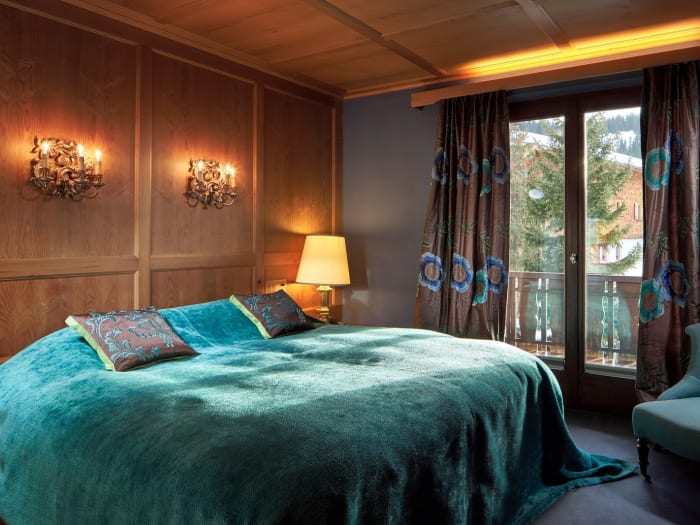
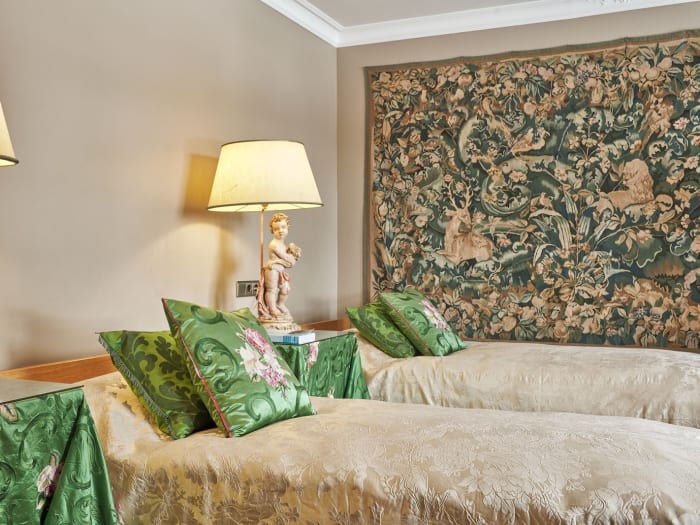
At Kristiania Lech, refined design and attention to detail shape rooms and suites crafted for enveloping comfort. The aesthetic is closely linked to functionality, with luxury measured by the quality of the experience. Smooth circulation, a calming atmosphere, carefully chosen materials, and preserved intimacy define the space.
Alpine elegance can take many forms. In the finest establishments, it avoids both rustic pastiche and the coldness of unanchored minimalism. Here, the mountain is expressed through the warmth of materials, the depth of textures, the softness of lighting, and a colour palette attuned to the seasons.
A room in Lech must accommodate both the return from a day of skiing and the slower hours of a summer stay. It should be restful without being impersonal, sophisticated without losing the sense of a cocoon. This is the promise that Kristiania Lech delivers.
For couples, the room becomes the centre of a retreat for two. Awaking in peace, preparing for the day, returning to warmth, and enjoying an evening in a subdued atmosphere. For families, expectations shift. Flexibility, a sense of space, and practical organisation are essential. The hotel caters to both couples and families, offering hospitality that supports a variety of uses.
The accommodation offering is also reflected in the services provided. Daily housekeeping, turn-down service, luggage storage, and round-the-clock reception enhance the fluidity of the stay. In the mountains, these attentions take on particular significance, allowing guests to return to a perfectly maintained room after several hours outdoors. They also simplify arrival, departure, and equipment management.
Ultimately, what matters is the ability of the rooms to extend the overall identity of the hotel. While the common areas provide elegant warmth after skiing, the rooms represent the most intimate version of this. They maintain the same aesthetic coherence, presented in a more personal register. At Kristiania Lech, the accommodations embody this concept of comfort at altitude, a comfort based on precision rather than ostentation.
Dining: Balancing Alpine Rhythm and Warmth
In a mountain destination, gastronomy plays a vital role in the overall experience, following a unique tempo. In Lech, the days begin early, are spent outdoors, and then call for an evening setting to dine, warm up, and slow down.
At Kristiania Lech, the hotel’s general atmosphere suggests a dining experience designed to accompany the rhythms of the mountains, with elegance and simplicity.
After skiing, travellers seek a pleasant dining room, attentive service, straightforward cuisine, and an ambiance that extends the well-being of their return to the hotel. The comfortable communal spaces after skiing reflect this continuity, allowing a seamless transition from the lounge to the dining table.
In Lech, dining also takes on a social dimension. The village attracts an international clientele, both in winter and summer. Meals become moments of gathering, whether for couples, families, or friends.
A hotel suited to both couples and families must cater to these needs without losing its coherence. This requires flexible service and an atmosphere that is neither too formal nor too relaxed.
Alpine elegance often expresses itself at the table through details. The quality of the linens, the warmth of the lighting, the acoustics of the room, and the rhythm of the service shape the memories of a stay.
In an establishment that is a member of Small Luxury Hotels of the World, this attention to the setting and personalisation finds its natural place. Luxury is less about abundance and more about the appropriateness of what is offered.
Finally, the mountains invite a culinary indulgence linked to the climate and effort. Breakfast, afternoon snacks, and leisurely dinners take on particular significance here.
At Kristiania Lech, dining thus extends the art of living of the house, accompanying the stay from morning to evening, in harmony with the landscape, the season, and the joy of being in Lech.
Concierge & services
The true comfort of a high-end stay is often measured by what is not immediately visible. A late arrival handled without friction, luggage taken care of naturally, a room prepared with consistency, a particular request dealt with without heaviness: these are the details that turn a good hotel into a genuinely dependable address. At Kristiania Lech, the known services point precisely towards that promise of a smooth stay. A 24-hour front desk, 24-hour concierge, daily housekeeping, turndown service, laundry, luggage storage and wake-up service together form a solid base, especially relevant in an Alpine context where days follow specific rhythms and constraints.
In the mountains, logistics are part of travel itself. Arrivals may depend on weather conditions, departures are organised around transfers, ski days require early starts, while family stays often involve more coordination. A round-the-clock reception is therefore not simply a marker of status; it is a tool of reassurance. The same applies to concierge service, which takes on real meaning here. In a destination such as Lech, it can help structure the stay, guide guests according to the season, facilitate useful bookings and make the experience easier to read, particularly for first-time visitors or those wishing to make the most of a short break.
Daily housekeeping and turndown service answer another dimension of luxury: continuity. After several hours spent outdoors, returning to a perfectly kept space is deeply restorative. It is not only a matter of order, but of inner rhythm. A stay becomes gentler when the room naturally supports the day’s key moments: early departure, post-ski return, quiet evening, restorative night. In a hotel where attention to detail forms part of the identity, these gestures of service carry particular weight because they concretely extend the promise expressed by the décor and atmosphere.
Laundry and luggage storage may appear more functional, yet they are essential to the real quality of a stay. For travellers combining several destinations, for families with equipment, or for guests wishing to enjoy their final day without inconvenience, these services greatly simplify organisation. They allow the hotel to be lived not as mere accommodation, but as a dependable base around which the journey can unfold. A well-run house is often recognised precisely by this ability to absorb practical concerns.
Finally, the idea of personalised service mentioned in the existing description deserves emphasis. In a member of Small Luxury Hotels of the World, such personalisation should not be confused with forced familiarity. It is more a matter of well-judged attention: understanding the traveller’s profile, anticipating certain needs, adapting the level of support. For a couple, that may mean a discreet and perfectly paced stay; for a family, more concrete help with daily arrangements. At Kristiania Lech, the known services therefore suggest a style of hospitality that is precise, calm and effective — exactly what one expects from a serious mountain address.
The Lech way of life
Lech has a particular identity within the European Alpine landscape. People come for the skiing, certainly, but they often return for something else: a quality of atmosphere that cannot be reduced to sport alone. The village cultivates discreet elegance, an unforced relationship to luxury and a sense of time different from that of more demonstrative resorts. This way of inhabiting the mountains is an integral part of a stay at Kristiania Lech. The hotel cannot be understood in isolation; it takes on its full meaning in dialogue with Lech, its seasons, its customs and its own rhythm.
In winter, the local way of life follows a highly legible alternation: departure for the slopes, a day outdoors, return to the hotel, a more inward evening. This simple structure gives great value to the intervals in between. Morning coffee before heading out, the afternoon pause, the moment of shedding layers and returning to warmth, dinner taken without haste: these sequences form the true memory of a stay. A hotel such as Kristiania Lech, with its warm atmosphere and comfortable shared spaces, seems particularly well suited to accompany these transitions with precision.
Summer offers another reading of Lech, often more contemplative. The mountains become a territory for walking, observation and breathing deeply. Families find a clear natural setting, couples discover a form of active retreat, and travellers already familiar with the Alps encounter a quieter season that allows a more direct relationship with the landscape. The fact that the hotel suits both couples and families gains full meaning here: it belongs to a destination that is not limited to winter and that knows how to renew its appeal with the months. That seasonal versatility is one of the great strengths of well-established Alpine villages.
Lech also stands out for a certain sense of measure. Luxury here is less about exuberance than about quality of execution. One values the precision of service, the order of the village, the beauty of a preserved environment, the ease of returning to the hotel. This culture of restraint corresponds well to the spirit suggested by Kristiania Lech. For travellers accustomed to leading mountain addresses, it can be an important point of reference: genuine standards are present, but expressed calmly, without visual excess or unnecessary emphasis.
To stay in Lech is, finally, to accept being guided by the terrain and the season. Days gain density because they are structured by nature itself. One rises for the light, for fresh snow or for the desire to walk; one slows naturally in the evening. In that setting, the ideal hotel is not one that distracts from the landscape, but one that allows guests to inhabit it more fully. Kristiania Lech seems to answer that definition: an address that accompanies the Lech experience with elegance and gives a stay that rare quality of feeling entirely right.
Booking via MyConciergeHotel
Booking Kristiania Lech through MyConciergeHotel means approaching the stay as something to be accompanied rather than merely transacted. In an Alpine destination such as Lech, that is far from incidental. The success of a mountain trip often depends on a series of practical factors: the chosen period, the rhythm of the stay, the composition of the travelling party, the organisation of arrivals and departures, and expectations regarding activities. A five-star hotel with a genuine personality deserves preparation of equal quality, so that the on-site experience corresponds precisely to the traveller’s profile. That is where supported booking becomes particularly meaningful.
For a couple, the aim may be to shape a smooth retreat, with the right timings, the right room type for the season and advice suited to the desired pace — active, contemplative or somewhere in between. For a family, needs are often more structured: clarity of stay, management of schedules, anticipation of useful services and logistical comfort. The fact that Kristiania Lech is presented as suitable for both profiles makes the role of an informed intermediary all the more relevant. No two mountain stays are identical, and the quality of preparation largely determines the quality of the experience.
MyConciergeHotel also helps place the hotel within its wider context. Lech is not an interchangeable destination: its way of life, highly sought-after winter season and summer appeal require a slightly finer reading than a simple rate comparison. Booking intelligently means understanding what one is actually coming for. A member of Small Luxury Hotels of the World such as Kristiania Lech often appeals to travellers sensitive to atmosphere, personalised service and overall coherence. The booking process then consists in matching those expectations with the reality of the stay, without overstatement or approximation.
The value of concierge support ahead of arrival also lies in securing the details that matter. In Alpine resorts, certain periods fill quickly and the best stay configurations require anticipation. Booking early not only broadens the available options, but also allows time to think calmly about surrounding elements: timings, activities, particular requests and the overall structure of the trip. The concierge advice mentioned in the short description — to reserve activities in advance — is especially sound in Lech, where the winter season concentrates strong demand.
Ultimately, booking through MyConciergeHotel means treating a stay at Kristiania Lech as a coherent whole. It is not simply about confirming a room, but about preparing a high-end Alpine experience under the right conditions, with the level of precision that such a destination calls for. For travellers who value quality of execution, clarity of exchange and a genuinely personalised approach, this way of booking naturally extends the spirit of the hotel itself: attentive, measured and focused on the real comfort of the stay.