History & Heritage
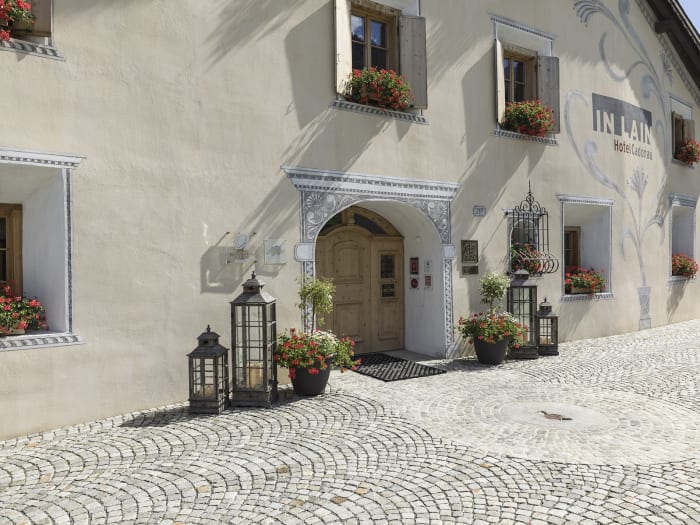
In Brail, a small village in the Engadine, the In Lain Hotel Cadonau embodies a form of alpine hospitality that prioritises continuity over spectacle. Here, luxury is defined by precision. There is a careful relationship with the location, the materials, the rhythms of the mountains, and the warmth of the welcome. As a member of Relais & Châteaux, the establishment asserts a distinct identity, character, and a particular focus on the guest experience.
The hotel stands out for its integration into the landscape. In this part of the Swiss Alps, the architecture harmonises with the powerful nature, marked winters, and unique light. The In Lain Hotel Cadonau extends this local logic. It engages with its surroundings without imposing itself. This architectural restraint, combined with a decor that balances tradition and modernity, expresses a heritage. The mountain vocabulary is present, interpreted with subtlety, devoid of overt folklore. The overall effect evokes a contemporary alpine home. It appeals to those who appreciate calm atmospheres, clean lines, and sustainable materials.
The identity of this address also rests on a certain idea of authenticity. While other alpine establishments may focus on the spectacle of the chalet, this one opts for a more intimate approach. The sought-after feeling is not that of a postcard setting, but rather that of a lived-in, rooted home, where the experience is shaped as much by the details as by grand gestures. A reception available at all hours, attentive concierge services, an evening turndown service, and discreet daily maintenance contribute to this continuity of service.
The hotel’s heritage is also reflected in its relationship with dining. In the mountains, gastronomy is part of the journey. The refined cuisine emphasises local produce. In the Engadine, this fidelity to the product, the season, and regional know-how holds particular value. It anchors the establishment in its immediate environment, extending to the table what the architecture and decor already express. It is an elegance of context, rather than a superficial luxury.
The In Lain Hotel Cadonau belongs to that category of addresses where guests come not just to tick off a name, but to rediscover a sensation. That of a mountain inhabited with intelligence, of a welcome that never overplays its hand, and of a stay that leaves a lasting impression through its respect for the setting. Its heritage lies in its ability to embody a contemporary, measured, and deeply rooted art of alpine hospitality.
The Establishment
Staying at the In Lain Hotel Cadonau is primarily about experiencing a direct connection to the Alpine landscape. Brail is not a glamorous resort; it is a village characterised by its measured pace, silence, and sense of place. Visitors come not for the hustle and bustle, but for a mountain experience that resonates on a human scale. The hotel aligns itself with this local ethos.
The architecture, seamlessly integrated into the Alpine landscape, plays a crucial role in this impression. Set against a backdrop of varied terrain, forests, and light, the building harmonises with its surroundings. The volumes, materials, tones, and openings extend the sense of place rather than contradict it, enhancing the coherence of the stay.
Inside, the decor strikes a balance between tradition and modernity, steering clear of clichés. Alpine references are present yet interpreted with clarity, space, and a focus on materials. Tradition serves as a foundation, while modernity does not overshadow local identity. The result is an enveloping atmosphere that remains light and airy.
The natural setting fully contributes to the experience. In Brail, the mountain is not merely a backdrop; it sets the rhythm of life. Mornings are marked by crisp, clear light, while the day unfolds with trails and landscapes. As evening descends, tranquillity returns. The hotel adeptly accompanies these transitions.
This relationship with the locale appeals to various types of travellers. Couples, families, and mountain enthusiasts can find their rhythm here. In summer, the region is ideal for hiking and exploring vast spaces. In winter, it opens up to snow sports and picturesque snowy landscapes, with the hotel serving as a serene base.
What stands out is how the establishment melds with its environment. It does not isolate the mountain from the experience; rather, it integrates it into the stay. This coherence among the village, architecture, decor, and atmosphere fosters a feeling of being precisely in the right place.
Rooms and Suites
In a mountain house of this calibre, the room is not merely a space for rest; it extends the landscape and the rhythm of the stay. At the In Lain Hotel Cadonau, the rooms and suites embody this continuity. Comfort here is as much about balance as it is about amenities.
The decor blends tradition with modernity. In the rooms, Alpine references remain subtle. Elegance is derived from the quality of materials, the play of light, and the proportions.
In the Alps, a well-designed room engages in dialogue with the outdoors. In Brail, this serene relationship with the village and the mountain is particularly significant. The interiors reflect the passage of the day: the clarity of morning, the return after a hike, the warmth following winter, and the slowing down of evening. The turn-down service enhances this transition between the outside world and the night.
Contemporary comfort is also evident in the service provided. Daily housekeeping, 24-hour reception, concierge services, laundry, and luggage storage contribute to a seamless stay. In the mountains, this fluidity is invaluable. Travellers alternate between outdoor activities, relaxation, and dining at the hotel, necessitating a reliable and well-maintained anchor that can manage logistical details. A beautiful room is also supported by discreet organisation.
For couples, the appeal of such a venue lies in its atmosphere. The spaces encourage intimacy, silence, and disconnection. The success of a room often hinges on simple elements: impeccable bedding, controlled acoustics, the right temperature, thoughtfully designed lighting, and materials that are pleasant to the touch. For families, the challenge is complementary; it involves finding a home that offers comfort and serenity without losing its character. The hotel caters to both profiles.
The value of a room at the In Lain Hotel Cadonau lies in its ability to maintain the flow of the stay. One leaves the trails, snow, or roads of the Engadine and returns to a space that extends calm, clarity, warmth, and a sense of time's depth. The room becomes a discreet frame in which the journey settles and transforms into lasting memory.
The Dining Experience
In Brail, the dining experience is deeply rooted in a precise interpretation of the local territory. It prioritises seasonality, the natural rhythm of produce, and a clear expression of regional ingredients.
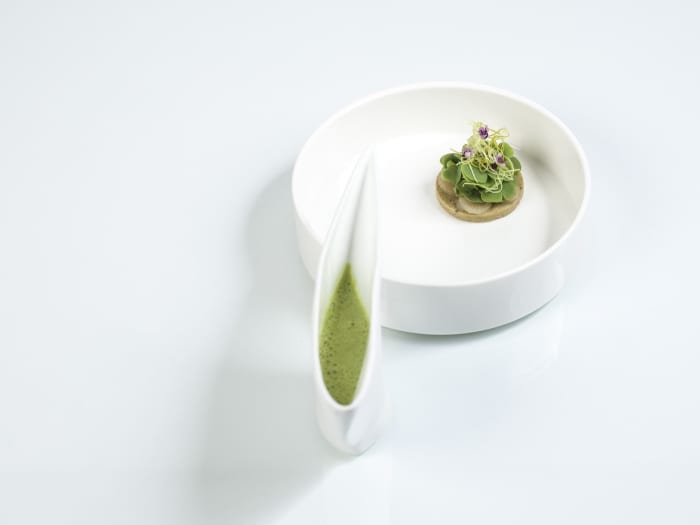
Vivanda represents the pinnacle of this culinary philosophy. The restaurant, awarded a Michelin star, is led by Chef Dario Cadonau. His cuisine revolves around an innovative and seasonal approach, with a constant focus on local resources. The overall concept maintains a clear direction, where creativity never overshadows clarity.
This culinary expression finds its balance in the selection of ingredients and a certain restraint. The flavours remain bold and direct. The dishes aim for accuracy rather than mere effect.
Stuevetta offers a different atmosphere, more intimate in spirit, which extends this relationship with indulgence without breaking from the identity of the establishment. Here, one finds the same commitment to discreet hospitality and a leisurely dining experience.
The bar complements the overall offering with simplicity. It provides a natural meeting point, whether before dinner or in the calm of the evening. Here, gastronomy is not merely a performance; it accompanies the stay with precision, warmth, and a sense of place.
Spa & Well-being
At the In Lain Hotel Cadonau, well-being is rooted in a broader form of relaxation. It arises from calm, light, and a more soothing rhythm.
In the Alps, it also encompasses the air, silence, and comfort. Walking, enjoying good food, and sleeping deeply are integral to this experience.
In Brail, the setting naturally invites one to slow down. The surrounding mountains impose a different scale of time, one that is more attuned to the seasons and the hours of the day.
The hotel thus becomes a place of recovery. Guests return to warm up, rest, dine, and rediscover a true inner availability.
The comfort of the home contributes to this balance. Daily housekeeping, turndown service, and a reception and concierge available at all hours enhance relaxation.
Well-being in hospitality often hinges on the absence of friction. The ability to easily organise one’s day, return late without constraint, and find a prepared room transforms the stay.
Gastronomy also plays a role in this interpretation of well-being. A refined cuisine based on local products naturally aligns with the rhythm of the mountains.
Eating well, in a calm setting, with attentive service, is part of the recovery process. The decor, straddling tradition and modernity, extends this sense of balance.
At the In Lain Hotel Cadonau, the luxury of well-being resides in this overall coherence. Restorative sleep, a morning without urgency, and a calm evening are all it takes to restore a sense of space.
Guests choose this home to recharge in a preserved environment. The precise hospitality and the rhythm of the place simply invite one to breathe more slowly.
Concierge & Services
In the realm of luxury hospitality, the quality of a stay is often measured by what is almost invisible. At the In Lain Hotel Cadonau, discreet luxury takes the form of essential services: 24-hour reception, 24-hour concierge, daily housekeeping, turndown service, luggage storage, laundry service, wake-up calls, and multilingual staff. Taken together, these services gain particular value in the context of an alpine village. They ensure continuity, flexibility, and serenity, allowing the traveller to focus on what truly matters: the location, relaxation, dining, and the mountains.
The reception open at all hours is more than just a standard. In a destination like Brail, where travel depends on roads, connections, or the rhythm of outdoor activities, this availability is reassuring. It allows for late arrivals, early departures, and last-minute adjustments without hassle. The concierge also plays a central role. In the mountains, a good concierge is primarily an interpreter of the territory. They assist in organising the stay, guiding desires, streamlining reservations, and adapting days to the weather, season, or profile of the travellers.
The multilingual staff is another important sign. In a Swiss address of this calibre, it contributes to the quality of international welcome and the precision of exchanges. Luxury often hinges on this: being understood immediately, without approximation, in what one asks for as well as in what one hopes for. For guests seeking rest, this relational clarity is essential. It avoids misunderstandings, simplifies organisation, and enhances the feeling of being cared for naturally.
Room services represent the quieter side of this hospitality. Daily maintenance ensures the constancy of comfort. The turndown service reinstates the room in a calming temporal context. Laundry services are useful in an active stay, between summer hikes and winter activities. Luggage storage facilitates early arrivals or late departures. The wake-up service reminds us that a great hotel also knows how to attend to the simplest needs with seriousness.
What distinguishes a fine establishment is not just the list of services, but their tone. Authentic hospitality and a warm atmosphere are as important here as efficiency. In the best hotels, service is neither distant nor intrusive. It finds the right balance between availability and discretion. In the mountains more than elsewhere, this quality of presence matters. Travellers often seek a form of retreat. They appreciate when their needs are anticipated without overstating the relationship. A house that achieves this creates immediate trust.
Booking through MyConciergeHotel makes perfect sense here. For a place where dining deserves to be anticipated, where the seasons influence the rhythm of the stay, and where one may wish to personalise their programme, pre-arrival support becomes invaluable. It allows for the preparation of details before arrival, transforming simple accommodation into a composed stay. At the In Lain Hotel Cadonau, services thus form a continuous thread: discreet, reliable, and essential to the overall quality of the experience.
The Art of Living in Brail
Choosing Brail means stepping aside from the conventional Alpine imagery. Here, the art of living is not solely constructed around sporting performance or resort sociability, but rather a simpler relationship with the landscape. The village offers a sense of authenticity, calm, and mental space. The In Lain Hotel Cadonau naturally fits into this way of inhabiting the mountain, providing an elegant base to explore a region that lends itself equally to activity and relaxation.
In summer, Brail's allure primarily lies in walking. The region invites hikes, strolls of varying lengths, early morning departures in clear light, and slower returns in the late afternoon. In such stays, luxury often consists of alternating gentle effort with comfort, indoors and outdoors, movement and rest. One sets out to breathe, observe, and regain a sense of distance. One returns to dine, read, rest, and let the day settle. The hotel supports this alternation with its peaceful atmosphere and rootedness in the village.
In winter, the relationship with the place changes without losing its coherence. The cold season profoundly structures Alpine life. Even for those not solely coming for skiing, the snowy mountain transforms the experience. Sounds soften, movements slow, and light becomes sharper. The pleasure of the stay then relies as much on what happens outside as on returning to the hotel. The warmth rediscovered, the awaited dinner, the comfort of a prepared room, and the feeling of contemporary refuge. In a house like the In Lain Hotel Cadonau, winter is also experienced as a season of heightened sensitivity.
The local art of living also extends to the table. In Alpine villages, dining is never a neutral interlude; it is a moment that connects territory, produce, seasons, and conversations. Refined cuisine based on local ingredients extends this culture of proximity, providing travellers with a tangible connection to the place—not through discourse, but through taste. This is often how the memory of a stay is constructed: through simple and authentic sensations—a light on the contours, an evening silence, a well-executed meal, a sense of inner clarity.
For couples, Brail offers the conditions for a discreet getaway, far from overly exposed scenes. For families, the village and its surroundings allow for a more tranquil mountain experience. Days can be composed without tension. For all, there is the rare opportunity to reconnect with a denser form of presence. One observes more, speaks differently, and sleeps better. Time regains its depth.
This is perhaps the essence of the art of living in Brail: a mountain that does not need to overstate itself to convince. A mountain of measure, light, and silence, where the stay takes the form of a rebalancing. The In Lain Hotel Cadonau is one of the most coherent interpreters of this, as it does not seek to divert attention from the place but to accompany it with intelligence. For the traveller, the experience is invaluable: it provides the feeling of having discovered not just a hotel, but a way of being in the mountains.
Book with MyConciergeHotel
Booking In Lain Hotel Cadonau through MyConciergeHotel is not simply a way to secure a room in a refined Alpine address; it is a way to prepare a stay with the level of attention a place like this deserves. The most compelling hotels are never defined solely by their category or by a list of amenities. They require a certain alignment between season, purpose of travel, desired rhythm and the concrete expectations of the guest. In a village such as Brail, where the experience depends greatly on landscape, dining and the time one chooses to allow oneself, support before arrival makes a genuine difference.
The first value of an accompanied booking lies in precision. A couple seeking a peaceful escape will not have the same needs as a family planning a few active days. Some travellers will prioritise absolute quiet, others ease of organisation, and others the gastronomic dimension of the stay. As the restaurant is one of the hotel’s clear strengths, planning dining reservations in advance is especially advisable, particularly in high season.
MyConciergeHotel also helps place the stay in its proper rhythm. In the mountains, the seasons do not merely alter the scenery; they transform the way one inhabits the hotel. Summer invites walking and long days; winter encourages a different cadence between snow activities and retreat. Guidance at the time of booking helps calibrate the trip accordingly.
There is also the essential question of travel tone. In Lain Hotel Cadonau appears to suit travellers who appreciate characterful houses, discreet luxury, gastronomy rooted in place and atmospheres that never force the experience. Booking through an editorial and concierge intermediary such as MyConciergeHotel helps ensure that the address truly matches those expectations.
For a property like this, such an approach is particularly relevant. Because the place rests on balance, tranquillity and coherence, anything that helps prepare the experience with accuracy only enhances its value.