History & heritage
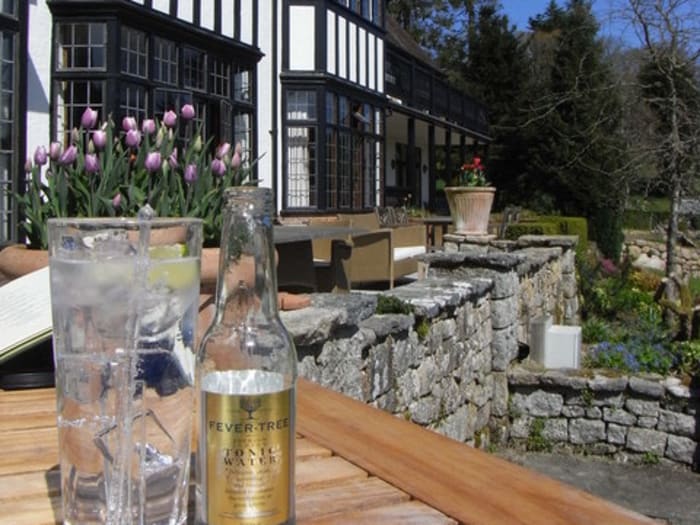
Gidleigh Park belongs to that category of British addresses whose charm lies less in display than in a form of elegant continuity. Set in the Devon countryside near Chagford, the hotel is rooted in a cultural landscape where the English country house holds a singular place: rural retreat, house of hospitality, and stage for a way of life shaped by time, discretion and a close relationship with its surroundings. Here, the experience is built not around a fixed décor but around atmosphere. From the outset, guests sense a house designed to receive, where architecture, proportions and views over greenery create a feeling of retreat without ever becoming austere.
Its membership of Relais & Châteaux says much about its philosophy. The distinction suggests a certain idea of hospitality: a property with character, a serious commitment to dining, and a genuine local anchoring rather than a marketing device. At Gidleigh Park, that approach is evident in the way the surrounding countryside is not merely a backdrop but a constant presence. The seasons alter the light across the lawns, the density of the foliage, the mood of the paths and, in turn, the rhythm of a stay. The address gains depth when understood as a house of landscape as much as a luxury hotel.
Its heritage is also expressed through a distinctly British tradition of service. Refinement is unmistakable, yet it is conveyed through precision rather than flourish. There is a taste for carefully composed interiors, drawing rooms suited to reading or conversation, and that ability to make a guest feel they are entering a home arranged around comfort. In a property of this kind, history is not always told through grand statements; it surfaces in details, in the maintenance of exacting standards, in the care given to materials, light, table settings and the flow between spaces.
What ultimately sets Gidleigh Park apart is the way it combines heritage with contemporary use. The hotel does not attempt to recreate an idealised past; instead, it preserves its most enduring codes: calm, restraint, generosity and a strong sense of place. For French travellers, it evokes less the grand urban hotel than the benchmark country house chosen for distance from noise, open horizons and a rarer form of luxury: attention, space and silence. In a hospitality landscape often driven by effect, Gidleigh Park is a reminder that a strong identity can rest on coherence, fidelity to its setting and an elegance that never needs to announce itself.
The setting
A stay at Gidleigh Park begins with a change of pace. Chagford, with its picturesque village character, sets the tone: people come here for the countryside, for the sense of a landscape that remains legible, for an England of moorland, hedgerows, lanes and shifting skies. The hotel makes full use of this green setting. The property seems designed to create a gradual transition between outdoors and indoors: one arrives through the landscape, then discovers the house, its proportions, openings, drawing rooms and views. That natural staging contributes greatly to the quality of a stay, because it immediately establishes the idea of refuge.
Devon occupies a particular place in the British imagination. Gentler than some northern regions, more discreet than the major tourist circuits, it attracts travellers seeking an inhabited countryside rather than a dramatic one. Gidleigh Park belongs to that sensitive geography. The setting is not that of a self-contained resort cut off from the world, but of a house in dialogue with its environment. The surrounding scenery invites walking, watching the weather change, and those days that alternate between a ramble, reading and a return to the drawing room for tea or a drink before dinner.
Inside, the elegant and refined atmosphere takes the form of measured composition. Nothing feels demonstrative. Comfort arises from a coherent set of choices: spaces with room to breathe, carefully considered decoration, and a sense of intimacy that avoids the anonymity of larger properties. One comes here to inhabit a place, not simply to use it. That distinction matters. In the best country-house hotels, the memory of a stay often rests on the quality of transitions: from garden to sitting room, from sitting room to bedroom, from bedroom to dining room, always with the impression that each space has been designed to extend the previous one.
The relationship with nature is another structuring element. Even without a long list of activities, simply being surrounded by greenery changes one’s perception of time. Mornings feel slower, late afternoons more enveloping, evenings more inward. For couples, the address offers a particularly fitting setting for time away together; for solo travellers, it can serve as a comfortable retreat in which to reset without compromising on service. That versatility explains part of Gidleigh Park’s appeal: the hotel imposes no single way of staying, but accommodates different rhythms.
Ultimately, the property stands out for its ability to offer a complete experience without over-programming. Luxury here lies not in an abundance of facilities but in the quality of the setting, the coherence of the welcome and the feeling of being exactly where one should be in order to slow down. Those familiar with Britain’s finest country-house hotels will recognise that rare combination of poise, warmth and restraint. Those discovering them for the first time will quickly understand that a place such as Gidleigh Park cannot be reduced to its five-star status: it belongs to a culture of hospitality in which landscape, house and service form a whole.
Rooms and Suites
In a country hotel of this nature, the room serves not merely as a space between activities but is an integral part of the experience. At Gidleigh Park, it extends the tranquility felt upon arrival. The atmosphere is one of understated comfort, elegance without rigidity, and a generous sense of space. This is not a place for conceptual minimalism or decorative displays; rather, it is a sanctuary conducive to rest, intimacy, and a seamless connection with the spirit of the house.
The interiors prioritise a harmonious balance of materials, colours, and furnishings. The refinement lies in the quality of the bedding, the natural light, and the selection of fabrics. It is the small details that make a difference: a well-placed armchair, a practical desk, a window overlooking greenery, and a bathroom designed for both post-walk relaxation and evening use. More than stylistic effects, these elements lend a room its authenticity.
The rooms and suites at Gidleigh Park cater to various needs. For a short stay for two, they allow for immediate relaxation. Guests settle in with pleasure, transforming the room into a refuge between a countryside walk and dinner. For those staying a few days longer, the quality of space becomes even more significant. There is joy in the ability to read, write, gaze at the landscape, or simply do nothing. This capacity to accommodate both a weekend getaway and the leisurely pace of an extended stay distinguishes well-designed establishments.
In a venue renowned for its refined atmosphere, the service surrounding the room is as important as the room itself. Daily housekeeping, evening turndown service, the discretion of the staff, and the fluidity of requests contribute to this ongoing comfort. A great country hotel succeeds when everything seems prepared without ever being overbearing. Here, one encounters a very British notion of luxury: things unfold smoothly, naturally, without excessive staging.
Finally, the rooms at Gidleigh Park find their true meaning in relation to the surrounding landscape. The verdant scenery alters the way one inhabits the interior space. A window becomes a vantage point, and silence transforms into a comfort in its own right. The weather accompanies the day like a discreet performance. In the morning, the light on the gardens or trees lends a unique tone to waking up. In the evening, returning to the room after dinner extends the feeling of retreat from the world. It is often here that the success of the establishment is realised. The room is not merely a place to rest; it becomes an outpost in the countryside, intimate and soothing.
The Dining Experience
At Gidleigh Park, gastronomy is an integral part of the hotel's identity. The restaurant showcases local produce, rooted in a British tradition that pays close attention to its surroundings.
In Devon, this approach finds a natural home. The region's agricultural richness and rural environment nourish a seasonal cuisine.
Here, meals structure the day. After a stroll or a few hours of tranquillity, the dining room becomes a highlight of the stay. The cuisine prioritises clarity, balance, and the purity of flavours.
The connection between the hotel and its dining experience is essential. At Gidleigh Park, the elegant atmosphere calls for precise, refined cuisine that is deeply anchored in local ingredients. Service is as important as the food itself. The rhythm of the meal, the presentation of the dishes, and the attention given to guests make all the difference.
Breakfast also plays a significant role in the overall experience. Surrounded by lush landscapes, the hotel offers a peaceful atmosphere in the morning. Whether quick or leisurely, this moment extends the coherence of the establishment.
Gidleigh Park's culinary reputation also attracts guests who come primarily for the dining experience. It is advisable to book dinner reservations well in advance during peak times. Here, gastronomy is one of the most direct pathways to understanding the essence of the hotel.
Concierge & Services
Hotel luxury is often measured by what is not immediately visible. At Gidleigh Park, the experience relies as much on the atmosphere of the house as on the efficiency of its services. A 24-hour reception and concierge, daily room service, evening turndown, luggage storage, laundry, wake-up calls, and multilingual staff create a seamless stay, enriched by attention to detail.
The 24-hour reception and concierge are particularly significant in a country setting. They respond flexibly to guests' needs, from late arrivals to local recommendations. This availability fosters a discreet sense of security, allowing travellers to know they can rely on a presence without intrusion.
The daily room service and evening preparation enhance this feeling of continuous care. Returning to a room that has been tidied with attention to detail transforms the quality of the stay. The laundry service, luggage storage, and wake-up calls follow the same principle, allowing guests to enjoy peace of mind.
The multilingual staff also deserves mention. In a characterful establishment welcoming an international clientele, they facilitate simple and clear communication. They reassure travellers and refine both recommendations and special requests. This is not about ostentation, but rather a service competence.
What matters is not just the list of services, but their alignment with the spirit of the place. At Gidleigh Park, they extend the elegant character of the house: efficiency without rigidity, availability without excess, attentiveness without staging. This quality of execution preserves the lightness of the stay, reminding everyone that a great hotel is also a discreet organisation dedicated to hospitality.
The art of living in Chagford
Choosing Gidleigh Park also means choosing Chagford and, more broadly, a particular way of inhabiting Devon for a few days. The village, described as picturesque, plays a full part in the identity of the stay. It is not merely a point on the map, but a human setting that complements the retreat offered by the hotel. In this kind of destination, the art of living does not depend on an accumulation of attractions but on the quality of rhythm: heading out in the morning to explore the surroundings, returning to the house for lunch or rest, setting off again for a walk, then coming back to the comfort of the hotel at day’s end.
Chagford suggests an England of proximity, shaped by human-scale streets, accessible landscapes and a direct relationship with the countryside. For travellers, that dimension is valuable. It allows a balance between the intimacy of the property and a measured openness to the wider area. One can seek silence, then reconnect with local life; favour contemplation, then choose a more active outing. That flexibility is one of the great strengths of a successful country-house stay: the place does not impose a programme, but provides a setting within which each guest can compose their own tempo.
The relationship with the seasons is especially tangible here. In a green region, variations in light, temperature and vegetation profoundly alter the experience. Spring and summer invite walking and longer evenings; autumn deepens colours, textures and the enveloping quality of interiors; winter, depending on conditions, heightens the appeal of drawing rooms, lingering meals and the cocooning atmosphere many travellers seek. Gidleigh Park benefits from that seasonality because its identity is not tied to a single moment of the year. The property seems designed, rather, to converse with changing weather and light.
For couples, Chagford and its surroundings provide a naturally fitting backdrop for a romantic stay without any need for overstatement. The beauty of the landscape, the quiet of the village and the return to the hotel for dinner are often enough to create that sense of an interlude. For solo travellers, the appeal is different but equally real: one finds a territory that allows slowness, reading, walking and observation—in short, a more inward style of travel. That ability to suit varied expectations confirms the address’s balance.
The local art of living ultimately rests on a certain well-kept simplicity. Here, refinement does not oppose authenticity; it frames it. The countryside is appreciated not as rustic décor but as a living, ordered and hospitable environment. In that sense, Gidleigh Park acts as an interpreter of place. The hotel does not replace Chagford; it offers a more comfortable, attentive and fully realised reading of it. For French travellers, that is often what makes the difference between a simple country break and a true experience: the sense that a hotel knows not only how to host, but how to reveal the spirit of its territory without caricaturing it.
Booking with MyConciergeHotel
Booking Gidleigh Park through MyConciergeHotel means approaching the property with the right level of preparation. A country house of this calibre is not consumed like a stopover hotel. To draw out its full substance, it helps to anticipate certain points: the rhythm of the stay, arrival time, meal timings, plans for walking in the surrounding area, or particular needs linked to a romantic weekend, a solo escape or a discreet celebration. Our role is precisely to turn a reservation into a coherent stay, taking into account what makes the hotel distinctive.
One of the first elements to secure is the table. In a property known for its dining and its focus on local produce, dinner should not be left to chance, especially at weekends or during busier periods. Booking ahead not only guarantees a place, but also helps structure the overall experience. A stay at Gidleigh Park works especially well when conceived as a harmonious sequence of moments: arrival, settling in, time to rest, dinner, night, breakfast, then exploration of the surroundings. That continuity lies at the heart of the pleasure.
Booking through MyConciergeHotel also allows the stay to be refined according to your traveller profile. For a couple, we may favour an approach centred on privacy, room comfort and the importance of dinner. For a solo traveller, we pay closer attention to the balance between retreat, logistical ease and suggestions suited to an individual pace. For a short break, the aim is to optimise without overloading; for several days on site, it is rather to create breathing space and preserve the soothing character of the address. In every case, the right booking is one that respects the nature of the place.
Our support also takes into account the practical aspects that make a difference once on site. A late arrival, laundry needs, a particular in-room request, arrangements around luggage or an early departure may seem secondary when booking, yet they strongly influence the perception of a stay. In a hotel where service is an essential component of the experience, such details are best considered in advance. This is especially true of country-house properties, where guests seek less improvisation than smoothness.
Finally, booking through MyConciergeHotel means choosing an editorial and human reading of the address. We do not present Gidleigh Park as a simple sum of amenities, but as a house to inhabit, with its highlights, balances and most fitting uses. That approach is valuable in avoiding poorly calibrated expectations and in orienting the stay towards what the hotel genuinely does well: offering a refined retreat in the countryside, a table attentive to local produce, and service that is discreet, continuous and dependable. If you are seeking an elegant interlude in Chagford, what matters is not booking quickly so much as booking well. That is exactly where MyConciergeHotel comes in.