History & sense of place
In Dublin, some hotels rely on grandeur; others offer a more urban, intimate reading of luxury. Dylan Hotel clearly belongs to the latter camp. Its identity is not built on display, but on a contemporary way of inhabiting the city, with the mix of discretion, comfort and personality that often defines the finest small-scale addresses. As a member of Small Luxury Hotels of the World, it belongs to a tradition of independent hospitality in which character matters as much as service.
The Dylan stands out first through its atmosphere. Where some city luxury hotels favour a highly codified sense of ceremony, here luxury feels more fluid, more residential, almost domestic in the best sense. It suggests an elegant refuge in the heart of a capital that is lively, literary, social and cultural. Dublin is a city of contrasts: Georgian and contemporary, intellectual and convivial, refined and spontaneous. A hotel that claims to reflect it must balance those registers without turning them into clichés.
That spirit also fits into a broader history of Dublin hospitality, long shaped by warmth, conversation and an ease that never feels careless. In that context, a hotel such as the Dylan finds its place naturally: it speaks to travellers seeking not a static backdrop, but a stylish, comfortable and well-located base. Couples, city-break regulars and business travellers alike will recognise the appeal of an address that values the quality of the stay over overt prestige.
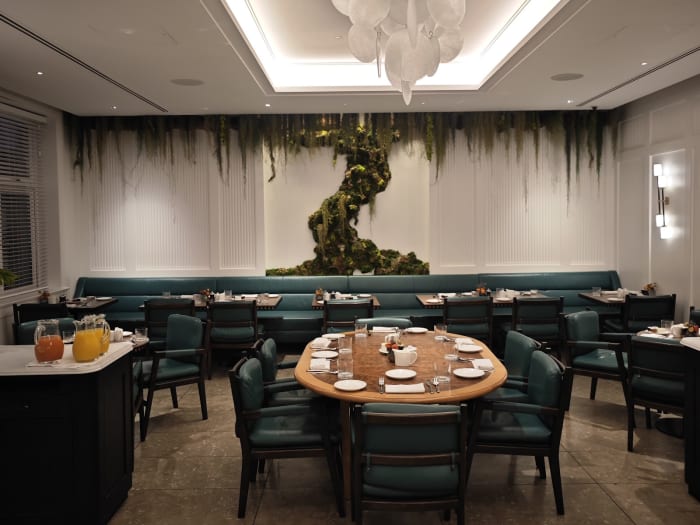
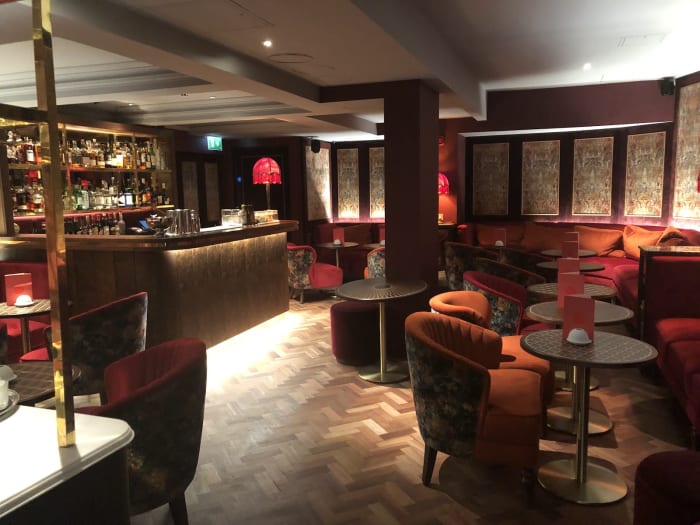
Its contemporary design, one of the hotel's known hallmarks, reinforces that identity. Rather than reproducing the past literally, it creates a current, polished and welcoming setting that feels in dialogue with the city as it is lived today. In a destination where it can be tempting to overplay heritage, that urban credibility matters.
Choosing Dylan Hotel therefore means more than booking a room in a five-star Dublin address. It means opting for a certain idea of travel: intimate luxury, attentive service without excess formality, and the sense of staying somewhere that understands the city rather than standing apart from it.
The Establishment
The primary asset of the Dylan Hotel lies in its balance between relative tranquillity and the vibrant energy of Dublin. Guests can easily walk out, access the main districts, and then return to a hotel that is neither impersonal nor noisy.
The establishment lends itself well to an urban exploration of Dublin. From a central base, the city unfolds in sequences: Georgian streets, squares and gardens, cultural institutions, boutiques, historic pubs, contemporary restaurants, and quays. A well-located hotel enhances the quality of a stay, reducing travel times, allowing for returns between meetings, and encouraging exploration on foot.
The Dylan also stands out for its scale. In a large city, this intimate dimension influences the pace of the stay, the relationship with the staff, and the perception of communal spaces. Travellers find a sense of continuity here, almost residential in nature. It suits both romantic getaways and business trips.
Contemporary decor contributes to this impression, providing an elegant, comfortable, and coherent counterpoint to the exterior heritage. In an urban hotel, this clarity and fluidity of use are just as important as aesthetics.
The Dylan Hotel appeals to those who appreciate stylish addresses without unnecessary theatricality. Guests come for the quality of the welcome, the feeling of being well-placed yet discreet, and for a warm atmosphere. It is a hotel that complements the city rather than competes with it.
Rooms and Suites
At the Dylan, the room extends the identity of the house. Contemporary decor, modern comfort, and a warm atmosphere set the tone.
The interiors prioritise usability as much as aesthetics. The volumes are thoughtfully designed, fostering intimacy and a form of luxury that is unostentatious.
In Dublin, a room often needs to accommodate several rhythms throughout the day. It supports a peaceful awakening, a pause between meetings, and then a return to tranquillity in the evening.
The Dylan aligns with this logic. Its affiliation with Small Luxury Hotels of the World confirms this approach.
Comfort here lies in the overall coherence. The flow is seamless, the lighting is well-considered, and the materials contribute to a sensation of calm.
The warm atmosphere avoids the coldness sometimes associated with contemporary design, creating a more enveloping environment.
For a stay for two, this dimension is particularly significant. The room allows for a slower pace, extending the day without succumbing to the city's rhythm.
For business travellers, the balance is similar. There is a calm and well-kept space conducive to both work and relaxation.
The evening turndown service and daily maintenance enhance the quality of the stay. These discreet attentions matter greatly in an urban hotel.
The rooms and suites at the Dylan Hotel embody a contemporary idea of hotel luxury. A stylish, liveable, contemporary, and welcoming setting.
Dining and Culinary Moments
As a five-star hotel and a member of Small Luxury Hotels of the World, the Dylan Hotel naturally places great emphasis on dining.
In an urban establishment of this calibre, dining accompanies the various moments of the day. From the first coffee to the last drink, it punctuates the stay.
Quality often lies in subtlety rather than showmanship. A well-executed breakfast is as important as a more elaborate dinner.
For leisure travellers, it serves as the first contact with the day. For business travellers, it is an efficient and pleasant moment.
At the Dylan, the dining experience aligns with the identity of the hotel. Contemporary in its expression, meticulous in its presentation, and warm in its service.
The hotel's location in a lively and central neighbourhood adds an interesting dimension. In Dublin, the culinary experience is also discovered throughout the city.
A good urban hotel offers a reliable, elegant, and comfortable setting on-site while also allowing easy access to the local scene.
The charm of an intimate address like the Dylan is that it does not impose a single narrative. The establishment caters to stays focused on the hotel as well as external explorations.
Its warm ambiance invites guests to linger, whether for a culinary moment, a conversation, or a gentle transition between the city and the room.
In contemporary luxury, dining is part of a broader art of living. The quality of products, comfort of the setting, pace of service, and flexibility of use all matter equally.
The Dylan meets this expectation for versatility. A serene breakfast, discreet meetings, an afternoon drink, or an unpretentious dinner.
For the French traveller accustomed to fine addresses, this approach is often appealing. In Dublin, it finds a natural resonance in a hospitality rooted in conviviality.
Concierge & services
In luxury hospitality, services are often what turn a very good hotel into a genuinely memorable address. According to the known information, Dylan Hotel offers a 24-hour concierge, a 24-hour front desk, daily housekeeping, turndown service, luggage storage, laundry, wake-up service and multilingual staff. Considered individually, these may seem standard for a five-star property; taken together, they define a precise promise: a stay that is smooth, responsive and attentive to the changing rhythms of a city.
A 24-hour concierge is particularly valuable in Dublin. Capital cities are rarely lived according to a perfectly linear schedule. Late arrivals, early departures, last-minute reservations, tailored recommendations, transfer arrangements or simple neighbourhood guidance all become easier when support is available at any hour. In a hotel with an intimate atmosphere, that role often feels more personal.
The 24-hour front desk reinforces that sense of availability. For business travellers, it provides flexibility and reassurance; for leisure guests, it means being able to enjoy the city on their own terms. Daily housekeeping and turndown service speak to another aspect of comfort: consistency. In a city hotel, where guests may come and go several times a day, returning to a room that has been carefully refreshed contributes greatly to the sense of care.
Luggage storage and laundry answer practical needs that are often underestimated, while multilingual staff help ensure clarity and ease throughout the stay. In a member hotel of an internationally recognised collection, that level of attentiveness is expected, but it remains worth noting. Contemporary luxury is also about listening well and making things simple.
The Art of Living in Dublin from the Dylan
Staying at the Dylan Hotel means experiencing Dublin with ease, from a central base in a lively neighbourhood.
In a capital of manageable size, the location sets the tone for the stay, allowing for effortless transitions from heritage to local life.
Dublin is best explored on foot. One can appreciate the Georgian facades, elegant squares, parks, museums, bookstores, cafés, and historic pubs.
The city is not just defined by its monuments. Its charm also lies in its tempo, sociability, and balance between refinement and relaxation.
The Dylan offers a point of equilibrium from which the city becomes immediately accessible.
For couples, this allows for flexible days without cumbersome logistics. Leaving early, returning in the afternoon, and heading out for dinner or music becomes second nature.
For business travellers, this centrality facilitates the balance between professional obligations and moments of respite.
A hotel situated in a vibrant area allows one to feel the city right upon stepping outside. An elegant street, a café, a local address, an end-of-day atmosphere.
The Dylan appeals to travellers who appreciate capitals when they are experienced from within, through a succession of well-chosen moments rather than a list of sites.
A large urban hotel provides the right distance from the city. Close enough to capture its energy, yet sufficiently preserved to offer perspective.
Booking via MyConciergeHotel
Booking Dylan Hotel through MyConciergeHotel means approaching this Dublin address through selection rather than mere availability. In the world of five-star hotels, especially those belonging to recognised collections such as Small Luxury Hotels of the World, not all bookings are equal. Room category, length of stay, travel rhythm, season and purpose all shape the final experience.
The Dylan lends itself to several types of stay. For a weekend for two, it offers an intimate atmosphere, contemporary style and a central base from which to enjoy Dublin with ease. For business travel, it combines a polished setting, round-the-clock services and a practical location. For a short cultural stay, it works as an elegant point of departure. Booking through MyConciergeHotel helps clarify those intentions in advance so that the hotel is matched to the right use.
That approach is especially helpful in a city where certain periods can be in high demand. The existing short description already recommends booking ahead, particularly in summer. That is sound advice for Dublin, a destination valued for culture, events and long weekends alike. Reserving early not only improves availability, but also makes it easier to choose the most suitable room category.
A specialist intermediary also brings a more nuanced reading of the offer. A hotel such as the Dylan cannot be reduced to a score or a list of amenities. What matters is the fit between the place and the traveller. Some guests will prioritise intimacy and design; others will care more about centrality, service flow or the reassurance of an internationally recognised collection. MyConciergeHotel's role is to place those elements in perspective so that the booking feels not merely correct, but well judged.