History & Heritage
In Neuchâtel, the Beau-Rivage Hotel is part of the history of Europe’s prestigious lakeside addresses. The establishment embodies a clear vision of hospitality. An elegant lakeside hotel, understated yet welcoming, it embraces both the landscape and the art of hosting.
The name Beau-Rivage evokes this timeless promise. It conjures images of water contemplation, the shifting light of the lake, and the vibrant tranquillity of Switzerland’s human-scale towns.
Neuchâtel possesses a unique identity within the Swiss landscape. A city of culture, commerce, and openness, it has developed between the lake and the surrounding hills. Its light stone architecture extends a tradition of precision.
In this context, the Beau-Rivage occupies a distinctive position. It connects the historic city, the lakeside promenades, and the hospitality traditions of Europe’s grand establishments. Its affiliation with Relais & Châteaux places the hotel among a family of establishments where the sense of place is as important as the service.
The heritage of the house is also reflected in its aesthetic language. The decor seeks a balance between tradition and modernity. The Beau-Rivage Hotel harmoniously blends the codes of classical hospitality with more contemporary lines. It maintains an atmosphere of a home while catering to the expectations of today’s traveller.
What stands out is the enduring presence of a deeply felt hospitality. A great hotel is recognised by how it accommodates the nuances of a stay. Arriving late, departing early, requesting a table, organising a walk, or extending a moment by the lake—these situations become the essence of attentive service in a well-managed establishment.
The Beau-Rivage Hotel belongs to that category of addresses where elegance is a way of being. In Neuchâtel, this takes on a measured and fluid tone. A lakeside house designed to endure.
The property
Beau-Rivage Hotel’s first privilege is geographical: its position on the shores of Lake Neuchâtel gives immediate meaning to the stay. Here, the landscape is not simply a backdrop. It shapes the day, influences the light in the rooms, encourages a slower pace and offers a point of balance between urban life and a more open sense of space. This direct relationship with the lake is what sets the experience apart. One does not merely sleep in Neuchâtel; for a few nights, one inhabits the meeting line between town and water.
The address also enjoys easy access to the town and surrounding area, making it a particularly coherent base for different kinds of traveller. Couples will find a peaceful setting, well suited to time together, evening walks and gastronomic interludes. Business travellers benefit from a practical location, straightforward logistics and an environment that allows for focus without sacrificing comfort. This is one of the strengths of well-positioned grand hotels: they allow guests to move from one mode to another without friction, from appointments to leisure, from the town centre to the lakeside.
Aesthetically, the hotel appears to cultivate an elegance of continuity. The décor blends tradition and modernity, suggesting public spaces designed to reassure as much as to charm. In this kind of house, the lobby, lounges, circulation areas and dining rooms are essential: they set the tone before one even reaches the room. The aim is less theatrical impact than atmospheric quality, built on balanced proportions, carefully chosen materials and a certain flexibility of use. Being able to settle in with a book, wait for a meeting, enjoy a drink or simply look out over the lake is part of the experience.
Its Relais & Châteaux membership reinforces that overall impression. It suggests a property whose identity is not dissolved into an international standard, but supported by a vision of hospitality rooted in place. At Beau-Rivage Hotel, that likely translates into an attention to the singularity of Neuchâtel: its rhythm, its light, its discreet culture and its taste for refinement without excess. Luxury here seems to be expressed through clarity of service, serenity of space and the quality of the relationship with the landscape.
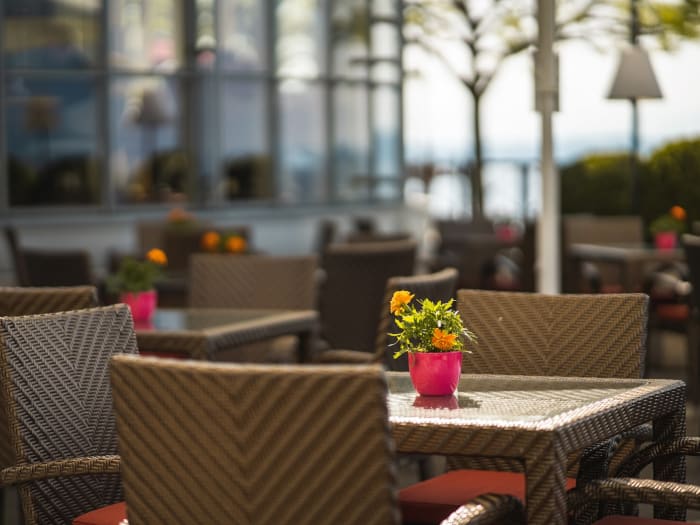
Summer is noted as a particularly pleasant time to stay, which feels natural for a lakeside address. Fine weather extends outdoor living, makes walking more instinctive and heightens the sense of escape. Yet the appeal of the place is not limited to the warmer months. A great lakeside hotel retains its attraction when the light turns cooler, when the lake takes on more mineral tones and the town regains a certain inwardness. Beau-Rivage Hotel appears to belong precisely to that category of addresses able to make the landscape a companion to the stay in every season. Its luxury is not loud; it lies in the rightness of its setting, the coherence of its atmosphere and the rare feeling of being immediately in the right place.
Rooms and Suites
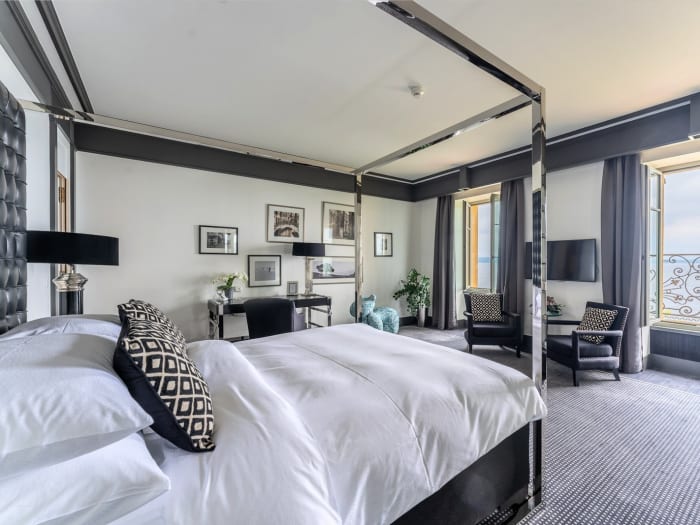
In a lakeside establishment, the room is never merely a functional refuge. It reveals the connection between the hotel and its surroundings. At the Beau-Rivage Hotel, the rooms with lake views are among the highlights of the stay. This opening onto the water alters the perception of time. In the morning, the light gently settles in. During the day, the variations in the sky enliven the decor. In the evening, the landscape retreats into a more muted palette. This view creates depth, a sense of breathing space, and a form of calm that accompanies the stay.
The decor blends tradition and modernity, and this orientation finds its place here. The balance is played out in the details. Contemporary lines without coldness, classic references without overload, a soothing palette, and materials chosen for their durability and comfort. The overall effect prioritises a sense of ease. One should be able to rest, work occasionally, prepare for dinner, or simply linger before the view.
In a five-star establishment, comfort is also reflected in the quality of invisible services. The turn-down service, daily maintenance, and the availability of reception and concierge at all hours contribute to the in-room experience. These are discreet yet decisive gestures. Returning to a space tidied after a day out. Arranging for an early wake-up call. Requesting logistical assistance. Collecting luggage without hassle. Contemporary luxury often rests on this fluidity.
The rooms at the Beau-Rivage Hotel cater to various rhythms of stay. A romantic weekend seeks different things than a business trip or a longer stopover. Yet, certain qualities remain universal. Relative silence, clarity of spaces, well-managed light, and a sense of intimacy. When a hotel achieves this, the room becomes a true place of retreat.
Travellers attuned to the landscape would benefit from prioritising the categories facing the lake. It is here that the identity of the house is most clearly revealed. Beyond the view, what matters is the overall coherence. A room that extends the spirit of the hotel, without a break in tone. At the Beau-Rivage Hotel, this coherence seems central to the experience. One finds a hospitable elegance, controlled comfort, and a tranquil relationship with time. This restraint allows a focus on the essentials: the quality of rest, the beauty of the site, and the pleasure of drawing back the curtains to the lake of Neuchâtel.
The Dining Experience
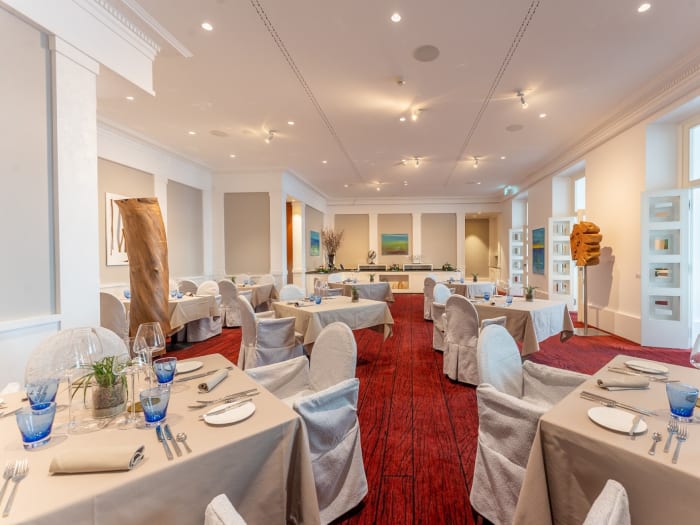
The Beau-Rivage Hotel attracts gastronomes as much as it does travellers seeking relaxation. Dining plays a significant role in the overall experience of the stay.
In a Relais & Châteaux establishment, the culinary experience extends the essence of the place. It punctuates the days and offers another way to engage with the region.
The recommendation to reserve a table upon arrival suggests a sought-after venue. The restaurant thus caters equally to residents and passing guests.
Set against the picturesque backdrop of Lake Neuchâtel, the cuisine demands a careful consideration of the seasons, ingredients, and flavours. Refinement here lies in precision.
The hotel's lakeside location adds a sensitive dimension to the meal. The view influences the pace of dinner and the atmosphere of breakfast.
In fine establishments, dining is intertwined with the architecture and overall ambiance. It contributes to the continuity that characterises successful stays.
The hotel can also accommodate various dining needs. Whether it's a romantic dinner for two, a business meal, a light lunch, or a moment over drinks, each requires a different rhythm.
The quality of a prestigious establishment hinges on this adaptability. Service plays a decisive role, marked by discretion and precision.
At the Beau-Rivage Hotel, dining is regarded as an essential component of the stay. In Neuchâtel, by the lake, it connects hospitality to the locale.
Concierge & Services
In the realm of luxury hospitality, the most significant services are often those that go unnoticed. The Beau-Rivage Hotel demonstrates a clear commitment to hospitality, a promise reflected in the organisation of the stay.
The concierge is available 24/7, and the reception remains continuously open. This creates a reassuring environment, accommodating late arrivals, early departures, and last-minute requests.
The daily housekeeping service ensures a consistent upkeep of private spaces. The evening turndown service is part of a calming return ritual. The luggage storage facility facilitates early arrivals and late departures. Laundry services, wake-up calls, and multilingual staff complete this offering. In an establishment of this calibre, quality is also measured by the absence of friction.
The concierge plays a central role here. In Neuchâtel, it connects the hotel to the region. Organising a walk, recommending an itinerary, guiding a visit, facilitating transportation, or adjusting a programme according to the weather—these interventions often transform the stay.
For business travellers, these services hold particular importance. A reception available at all hours and efficient luggage logistics help maintain focus. For couples, the same infrastructure offers greater flexibility and fewer practical concerns.
Hospitality here does not rely on an accumulation of services. It hinges on a way of orchestrating the experience. Each service has its purpose, and every detail contributes to overall comfort. By the shores of Lake Neuchâtel, this simplicity manifests as continuous welcome, discreet attention, and effortless efficiency.
The Art of Living in Neuchâtel
Staying at the Beau-Rivage Hotel is also about embracing a particular way of life in Neuchâtel. The city reveals itself in subtle shades. Its historic centre, with its light stone façades and views over the lake, creates a human-scale environment. For the traveller accustomed to large capitals, Neuchâtel offers a precious counterpoint. It is easy to navigate, with water always nearby.
The location of the Beau-Rivage Hotel allows guests to enjoy this quality of life effortlessly. From the hotel, access to the city and its surroundings is straightforward. The stay naturally alternates between urban exploration and returning to the lake. This rhythm is part of the pleasures of Neuchâtel.
The lake is at the heart of this art of living. It shapes both the activities and the landscapes. One strolls along its shores, lingers, seeking the morning light or the evening colours. In summer, this presence becomes even more pronounced. Days stretch longer, and outdoor activities multiply. Even off-season, the lakeside retains a unique allure.
Neuchâtel is also well-suited for romantic getaways. The atmosphere of the hotel complements the character of the destination. Here, romance arises from the measured nature of the surroundings, the beauty of the landscape, and the freedom to wander without a plan. One can stop for a coffee, extend a dinner, and then return to the hotel on foot or in just a few minutes.
For business travellers, the Neuchâtelois way of life takes on another form. It allows for work in an orderly environment, followed by a quick return to genuine relaxation. A meeting can be followed by a stroll along the water. A busy day can conclude with a quiet dinner overlooking the lake.
Choosing the Beau-Rivage Hotel means opting for a way to enter Neuchâtel through its relationship with the lake, its discretion, and its culture of balance. The local art of living relies less on a plethora of attractions and more on an overall quality. The hotel offers a simple and accurate interpretation of this experience.
Booking via MyConciergeHotel
Booking the Beau-Rivage Hotel through MyConciergeHotel means approaching this address with a methodical mindset. A stay often hinges on the choice of room category, orientation, season, and desired pace.
The first point to consider is the view. The rooms overlooking the lake are among the most distinctive features of the establishment. They should be requested at the time of booking.
For a weekend for two, this orientation changes the atmosphere of the stay. For a business trip, it provides a welcome respite after a busy day.
The season also plays a significant role. The summer period is particularly pleasant, with numerous outdoor activities available. Demand can be higher during holidays and beautiful weekends.
Planning ahead becomes essential, both for room selection and for organising the stay. It is also advisable to quickly reserve a table at the hotel’s restaurant, as gastronomy is an integral part of the experience.
MyConciergeHotel is also valuable for anything related to discreet personalisation. A late arrival, an early departure, a logistical need, or a preference for pace should be communicated in advance.
The Beau-Rivage Hotel is not just a five-star address in Neuchâtel. It is a way to experience the lake, the city, and Swiss hospitality with authenticity.