
Our ranking criteria for French Riviera palaces
Our ranking weighs the Palace distinction, Riviera setting, service consistency, and the overall coherence of the stay.
Why the Riviera remains a palace stronghold
The French Riviera remains Palace territory because its grand hotels unite history, setting, and contemporary relevance.
Questions about this section
Why is the French Riviera such a strong destination for Palace hotels?
The Riviera combines heritage, international demand, coastal access, and a uniquely dense luxury hotel ecosystem.
Signature Restaurants and the Culinary Culture of the French Riviera
On the French Riviera, dining is never merely an ancillary service; it directly contributes to a palace's prestige. Our advisors often observe this. Two establishments may share the same view of the Mediterranean, yet the dining experience profoundly alters the perception of a stay. Here, the value of a venue is reflected in the precision of a breakfast by the sea. It is also measured by the coherence between the cuisine, the setting, and the Riviera's rhythm. A great restaurant does not require theatrics; it should tell the story of its region, honour the seasons, and maintain its standards from the first coffee to the last dinner.
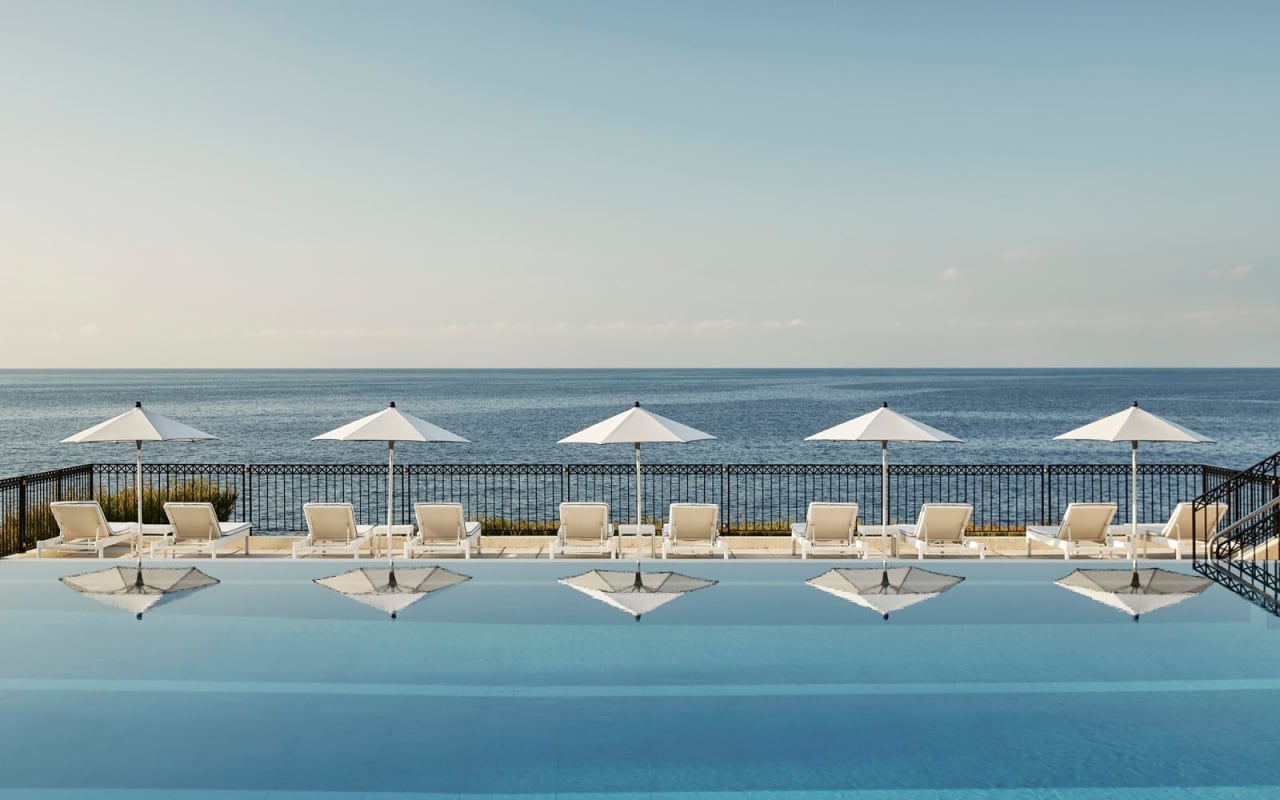
Among the most significant establishments, the Grand-Hôtel du Cap-Ferrat, A Four Seasons Hotel, holds a unique position. Its location in Saint-Jean-Cap-Ferrat provides a rare setting for terrace dining. The hotel also benefits from the operational strength of Four Seasons, which greatly impacts the dining experience. Service often gains in fluidity, rhythm, and understanding of international expectations. In Monaco, the Hôtel de Paris Monte-Carlo offers a different narrative. This address carries a long-standing gastronomic tradition at the heart of the Casino square. Its symbolic weight extends beyond mere hospitality, establishing it as a landmark of fine dining in Monaco and the Riviera. The Cheval Blanc St-Tropez represents a more contemporary version of the seaside palace. Notably, when an establishment of this size maintains a clear culinary offering in a highly seasonal destination, it marks a true level of excellence.
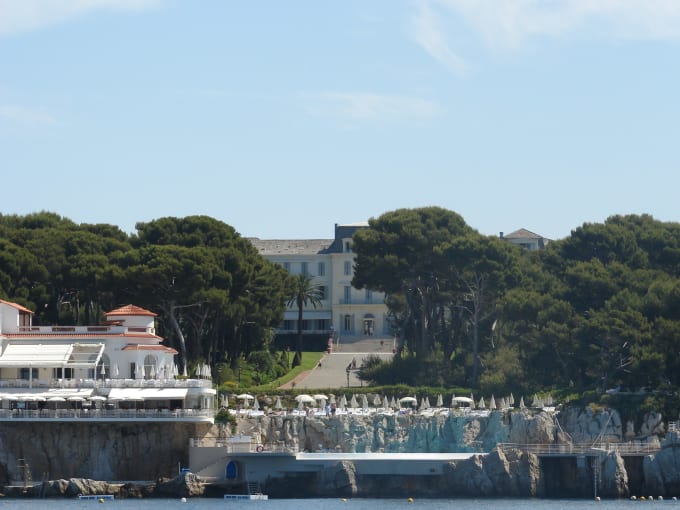
The culinary culture of the Riviera rests on a delicate balance. Travellers expect Mediterranean flavours on their plates, but without forced folklore. This is where the finest establishments distinguish themselves. Le Cap Estel, in Èze-Bord-de-Mer, enjoys a simple yet decisive advantage. Its relative isolation enhances the feeling of a destination restaurant. Dining becomes an integral part of the stay. La Réserve de Beaulieu, a member of Relais & Châteaux, adheres to a more classic tradition. Its location in Beaulieu-sur-Mer appeals to travellers seeking a historic Riviera, characterised by elegant lunches and formal dinners. In Saint-Tropez, Hôtel Byblos and Althoff Hotel Villa Belrose present two different interpretations of the destination. The former relies on a strong brand reputation, while the latter benefits from a dominant position overlooking the bay. My advice: in this area, the terrace and the view are almost as important as the menu.
The role of chefs remains central, but it alone cannot establish a palace's hierarchy. We also consider the continuity of offerings. A grand dinner may impress, but a palace is judged on the entirety of its culinary journey. This includes room service, light lunches, the wine cellar, bread, fresh juices, and the consistency of breakfast over the days. In this regard, establishments like Château de la Messardière, Airelles Saint-Tropez, or Lily of the Valley have strong arguments. Their environments allow for a comprehensive stay experience, with multiple dining options throughout the day. The Maybourne Riviera, in Roquebrune-Cap-Martin, offers a more contemporary interpretation of Riviera luxury. Its architecture and seaside location give significant importance to dining spaces and the presentation of meals.
Finally, what our advisors observe is the quality of service in the dining room. On the French Riviera, this often makes the difference between a fine address and a truly convincing palace. A good level of service does not consist of multiplying visible attentions; it rests on precision. Knowing when to speed up a lunch before the beach, or to slow down a terrace dinner. Recognising regulars without theatricalising the relationship. This is also why institutions like Hôtel du Cap-Eden-Roc or Carlton Cannes, a Regent Hotel, remain natural references in any conversation about the Riviera. Their strength lies not only in their name but in a culture of hospitality, evident in the welcome, the pace of service, and the ability to make a meal a central moment of the stay. On this coast, gastronomy does not merely accompany the palace; it reveals it.
Questions about this section
Does gastronomy really matter when choosing a Riviera Palace?
Yes, because dining quality shapes both the pleasure and the practicality of a Riviera stay.
Spa, sea and Riviera wellbeing
On the French Riviera, the spa often becomes the deciding factor between two otherwise closely matched Palaces.
Questions about this section
For wellbeing on the Riviera, should I prioritize spa, beach, or pool?
Choose based on your stay style: restorative spa time, beach living, or a simpler pool-focused escape.
French Riviera palace trends for 2025-2026
Key trends for 2025-2026 include longer stays, integrated wellness, family-friendly layouts, discreet sea access, and renovations reshaping several Côte d’Azur Palaces.
Which palace to choose for your trip style
Tell us your travel style, and we will guide you to the Palace that fits it best.

