Turkey holds a unique position in the landscape of hotel wellness. The country connects Europe and Asia, as well as various traditions of care. The hammam is central to this experience, with ancient rituals of water, heat, and purification taking on diverse forms across different destinations today. In Istanbul, the spa resonates with the rhythm of a bustling capital. In Bodrum, it often opens up to the Aegean Sea. In Cappadocia, it is set against a mineral landscape. In Belek, it complements more comprehensive beach holidays. This very variety makes the subject fascinating. A hotel with a spa in Turkey does not promise the same experience depending on its location. This is what we aimed to explore with precision.
Our methodology is based on simple yet demanding criteria. We first examine the coherence between the location and the wellness programme. A large spa only makes sense if it extends the identity of the hotel. We then consider the quality of the geographical setting. An address on the Bosphorus, a retreat in Bodrum, or a lodge in Cappadocia call for different usages. We take into account the overall hotel positioning. Recognised international brands often bring solid standards, while more intimate establishments can offer a closer interpretation of care. We also assess a hotel's ability to make the spa a genuine reason for staying. Finally, we favour addresses whose reputation, five-star rating, and location support a credible promise.
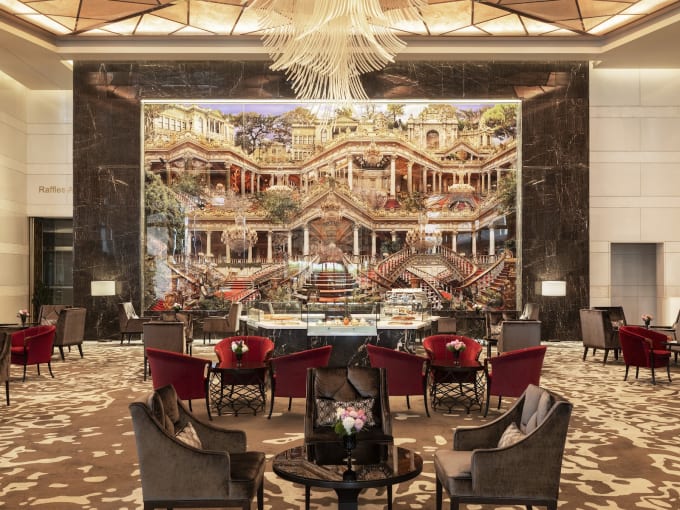
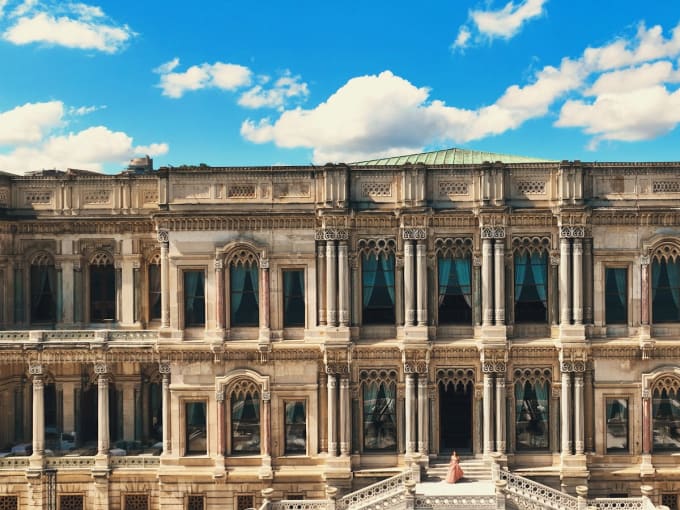
The Turkish panorama is more nuanced than it appears. Istanbul is home to several major signatures. The Kempinski Ciragan Palace Istanbul, the Mandarin Oriental Bosphorus, the Fairmont Quasar Istanbul, and the Park Hyatt Istanbul – Maçka Palas embody distinct approaches. Some focus on monumental heritage, while others favour contemporary elegance or discreet urban locations. Bodrum tells another story. Amanrüya, Mandarin Oriental, Bodrum, Kempinski Hotel Barbaros Bay Bodrum, Maçakizi, and Maçakızı each reflect a unique relationship with the sea and retreat. Belek brings a resort logic with the Kempinski Hotel The Dome Belek. Cappadocia opens a more contemplative path with Ariana Sustainable Luxury Lodge and Museum Hotel. Even hotels like Aliée Hotel, Empress Zoe Hotel, or Hotel Bebek remind us that in Turkey, wellness is also integrated into city stays.
For 2025 and 2026, several trends are clearly emerging. The first is a return to ritual rather than mere accumulation of facilities. Travellers are seeking a structured experience over a list of treatment rooms. The second is the importance of the setting. A view of the Bosphorus, a bay in Bodrum, or the landscapes of Cappadocia alters the perception of care. The third relates to hybridisation. The spa is no longer isolated; it interacts with architecture, light, sleep, nutrition, and the rhythm of the stay. We also observe an increased expectation for addresses that can balance discretion with international standards. Finally, sustainability is becoming a lens through which to view wellness. In this regard, a place like Ariana Sustainable Luxury Lodge draws attention, as contemporary wellness now encompasses more than just the body; it also includes the relationship to the environment.
At MyConciergeHotel, we approach luxury with a French sensibility. This does not imply a preference for style but rather an attention to measure, consistency, and coherence. A great hotel with a spa is not merely a well-equipped establishment; it is a home that orchestrates arrival, silence, the transition between spaces, the quality of rest, and the tempo of service. In Turkey, this perspective takes on a particular significance. The country knows how to blend generous hospitality with a sense of ritual. Thus, the best spa is not always the most ostentatious; it can be the one that seamlessly integrates into a day of travel. What our advisors often observe is the overall harmony. When the hotel, the landscape, and the care speak the same language, the experience deepens.
It is also important to explain how to interpret this ranking. It is not a universal verdict but an editorial hierarchy designed for different usages. Some travellers will seek a grand beach resort, while others may prefer an urban address with a spa as a refuge after a busy day. Still others will desire a more introspective retreat. A hotel may rank higher for the strength of its overall offering without being the best choice for everyone. This is an important nuance. We do not aim to oppose styles but to clarify promises. It is also worth noting that Turkey allows for rare transitions; one can move from a palace on the Bosphorus to a seaside address in Bodrum, then to a hotel in Cappadocia set against the landscape. Few countries offer such breadth.
My advice before diving into the Top 10: read this ranking as a map of wellness practices in Turkey. Some addresses excel due to their status, others because of their location, and still others for their ability to make the spa a natural part of the stay. It is this diversity that we have organised.