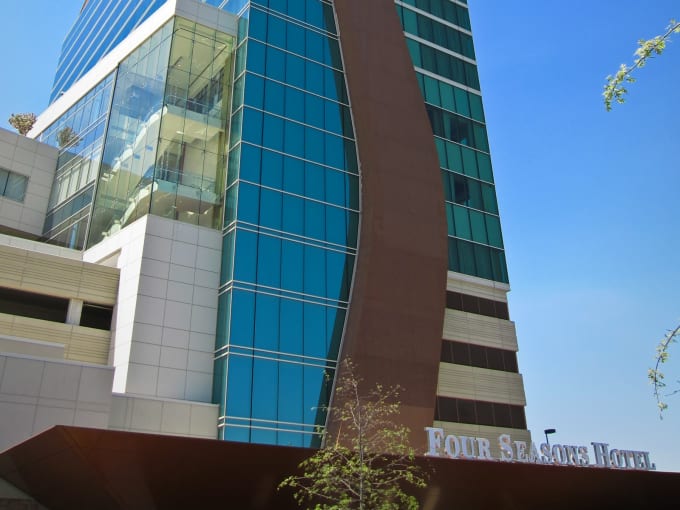
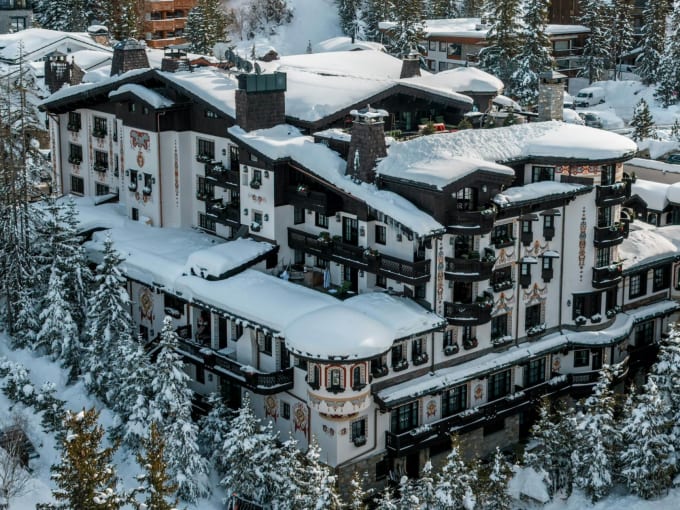
In the Alps, the spa has evolved from being a mere addition to a hotel into a fundamental aspect of the overall stay, as crucial as the ski area or access to the slopes. Our travellers speak of recovery, sleep, breathing, and light, rather than just massages. This shift reflects much about our times. At altitude, luxury is now defined by the quality of transitions. There is a desire to move from exertion to calm, from dry cold to humid warmth, from panoramic views to intimacy. Courchevel, Megève, Val Thorens, and Tignes cater to these expectations with distinctly different offerings. Cheval Blanc Courchevel, Les Airelles Courchevel, Le K2 Palace, and Four Seasons Hotel Megève each embody a specific way of experiencing the mountains. The spa thus becomes a unique language of hospitality.
To compile this ranking, we do not rely on an abstract promise of well-being. We focus on concrete, comparable elements that are useful to the traveller. First, we consider the hotel’s level and institutional recognition. A Palace Atout France, for example, sets a clear standard of excellence. Next, we assess the coherence between the hotel’s identity and its spa offerings. A large spa is only valuable if it enhances the overall experience. We also take into account the destination, accessibility, the natural clientele, and how the spaces fit into the Alpine rhythm. The presence of a swimming pool, wet facilities, treatment rooms, or a clear wellness positioning is significant. Finally, our advisors favour establishments that deliver on their promises both in winter and outside school holidays.
The Alpine landscape is more varied than one might think. Courchevel boasts several major references, with palaces and grand hotels where the spa is integrated into a comprehensive stay. Cheval Blanc Courchevel, L’Apogée Courchevel, Le Fouquet's Courchevel, Aman Le Mélézin, Le K2 Palace, and Les Airelles Courchevel each offer a different interpretation of well-being. Some prioritise intimacy and restraint, while others embrace a more theatrical dimension, designed for après-ski and family stays. Megève provides a more village-like, residential counterpoint, with Four Seasons Hotel Megève, Cœur de Megève, Domaine Ulysia, and several private chalets. Val Thorens, with Altapura, champions a more sporty altitude. Tignes, with Club Med Tignes, demonstrates that a large resort can also meet a genuine demand for recovery.
For 2025 and 2026, several trends are emerging in the Alps. The first concerns active recovery. Travellers are seeking fewer spectacular protocols and more straightforward programmes. They want to sleep better, relieve their legs, mitigate the effects of altitude, and regain energy between two days outdoors. The second trend relates to timing. The spa is no longer reserved for the end of the day; it is now used in the morning, solo, or in short sequences. The third trend pertains to design. The most compelling spaces now avoid decorative overload, favouring materials, light, silence, and fluid circulation. Our advisors also observe a return to very specific demands. Clients want to know if the atmosphere is family-friendly, contemplative, sporty, or intimate.
In the French Alps, hotel luxury maintains a unique relationship with well-being. It does not always seek to replicate the grand beach or urban resorts. Instead, it works with the notion of refuge, which changes everything. A successful Alpine spa is not merely a place for treatments; it is a part of the stay, almost a second room, where one can slow down without disconnecting from the landscape. The French mountains bring a very specific culture of service, combining precision, discretion, and a sense of rhythm. In a Palace like Cheval Blanc Courchevel, Four Seasons Hotel Megève, or Les Airelles Courchevel, this philosophy takes distinct forms, yet the idea remains close. Well-being is not a spectacle; it is a continuity designed to make the stay more just, comfortable, and often more sustainable.
Therefore, this ranking should be read methodically. We do not aim to designate one spa as universally superior to others. Instead, we seek to rank coherent experiences within a specific segment across the Alps. A palace in Courchevel serves a different purpose than a chalet in Megève or a resort in Tignes. Some travellers desire a grand hotel with multiple spaces, a swimming pool, and a vibrant social life, while others prefer a quieter, more intimate, residential address. My advice is simple: view the ranking as a framework for understanding rather than a verdict. The top positions highlight particularly well-rounded establishments without negating the value of others. In Alpine luxury, the best spa is often the one that aligns perfectly with your way of experiencing the mountains.
Here is our selection of the best spa hotels in the Alps, prioritising coherence, consistency, and quality of experience. You will find palaces, major signatures, and a few well-positioned alternatives.