Our Selection Criteria
To establish our ranking of the most beautiful Palaces in France, we applied rigorous and objective criteria, ensuring a selection that reflects the excellence of French hospitality. These criteria are designed to highlight establishments that best embody the spirit of luxury while offering unique experiences to their guests.
Firstly, the official "Palace" status awarded by Atout France is an essential starting point. This excellence label, granted to a select few establishments, certifies exceptional quality in terms of services, comfort, and facilities. It also guarantees a remarkable architectural or historical setting, often emblematic of the destination in which it is located.
The quality of the services offered is another key element. We reviewed the attention to detail, the personalisation of stays, and the availability of staff, from concierges to Michelin-starred chefs. What our advisors frequently observe is that the Palaces that stand out are those that anticipate their clients' needs with discretion and unwavering efficiency.
Gastronomy also plays a central role in our evaluation. Starred restaurants, led by renowned chefs, are often destinations in their own right. Beyond Michelin stars, we assessed the creativity of menus, the emphasis on local products, and the establishments' ability to provide memorable culinary experiences. The diversity of dining options, including bars and tea rooms, was also taken into account.
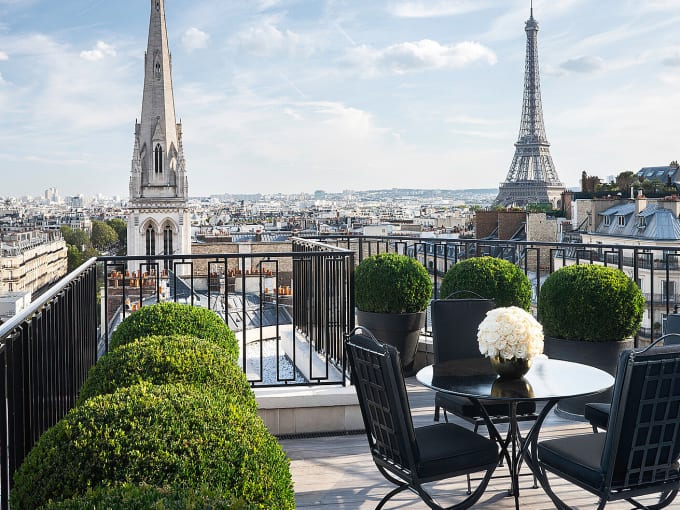
Location is a differentiating criterion. A Palace can benefit from an exceptional view, a seaside location, or proximity to major cultural sites. Establishments situated in preserved natural settings or in the heart of iconic cities like Paris enjoy added appeal. This geographical context often influences the overall experience of visitors.
Finally, we emphasised the unique experiences offered by each Palace. These experiences may include exceptional spas with signature treatments, exclusive activities, or artistic and cultural collaborations. Establishments that manage to reinvent themselves while remaining true to their heritage stand out particularly. It is important to note that innovation and tradition are not incompatible but complementary.
In summary, our selection is based on a subtle balance between objective criteria and appreciation of the distinctive elements that make each Palace unique. It is these details that transform a stay into a truly unforgettable experience.
An Exceptional Heritage
The history of Palaces in France is closely linked to the emergence of modern luxury hospitality. From the late 19th century, these establishments established themselves as exceptional venues where French elegance met the expectations of the most discerning international travellers. The creation of the term "Palace" in France marked a desire to distinguish these exceptional hotels by their architecture, service, and ability to embody a unique art of living.
The concept of a Palace was built around a strong idea: to offer much more than accommodation, but a complete experience. These establishments, often located in iconic destinations such as Paris, the Côte d'Azur, or the Alps, attract a clientele in search of refinement and exclusivity. In Paris, for example, the Palaces have captured the essence of the capital, balancing historical heritage and modernity. On the Riviera, they offer spectacular views of the Mediterranean, while in the Alps, they combine luxury and nature. Each region has developed its own interpretation of the Palace while adhering to universal standards.
Since 2010, the official "Palace" distinction awarded by Atout France has reinforced this French uniqueness. This label, reserved for an elite group of five-star hotels, is based on strict criteria, ranging from service quality to the uniqueness of the customer experience. Today, these establishments are not only places to stay but also ambassadors of French know-how. They contribute to the country's tourist appeal and embody a certain idea of luxury, where every detail matters.
French Palaces have also played a key role in the evolution of global luxury hospitality. They have inspired generations of hoteliers and influenced international standards. In a world where luxury is constantly being reinvented, these establishments continue to stand out for their ability to blend tradition and innovation. They are both guardians of a heritage and pioneers of new trends, such as sustainability and immersive experiences.
My advice: take the time to discover the history of these places, often rich in anecdotes and remarkable personalities. Behind each Palace lies a unique story that reflects the evolution of hospitality and French luxury.
Questions about this section
What are the historical criteria for a hotel to achieve Palace status?
The Palace label honors hotels with remarkable architecture, prestigious history, and exceptional service.
Gastronomy at Its Peak
Gastronomy occupies a central place in the experience offered by French Palaces. These establishments, synonymous with excellence, often host starred tables and renowned chefs who transcend the culinary arts. For many travellers, a Palace's gastronomic signature can be a decisive criterion, as it reflects the identity and boldness of the establishment.
Some addresses have become culinary destinations in their own right. These Palaces offer experiences where each dish tells a story, blending creativity and respect for ingredients. Notably, there is a current trend among chefs to favour short supply chains and local ingredients. This choice, in addition to being eco-responsible, is part of a movement to enhance French terroir. Tasting menus, often renewed according to the seasons, thus capture the very essence of the region where the hotel is located.
However, excellence is not limited to the plate. The setting also plays a key role. The dining rooms of Palaces rival in elegance, whether they are historic salons adorned with frescoes or terraces offering spectacular views. The service, discreet yet attentive, enhances this setting, elevating every moment spent at the table.
What our advisors also observe is the growing importance of immersive culinary experiences. Some Palaces offer cooking classes led by their chefs, allowing guests to discover the behind-the-scenes of their creativity. Others focus on exceptional food and wine pairings, orchestrated by some of the most talented sommeliers in France.
My advice: when making your next reservation, do not hesitate to ask our experts for recommendations on the specialities or gastronomic events offered by your Palace. This is an opportunity to experience a rare moment where gastronomy becomes an adventure in its own right.
Questions about this section
Are French Palaces renowned for their gastronomy?
Yes, many Palaces host Michelin-starred restaurants, offering exceptional culinary experiences in unique settings.
Wellness and Serenity
For wellness enthusiasts, some Palaces in France stand out for their exceptional spas. These places combine signature treatments, state-of-the-art facilities, and a calming environment, offering an unparalleled relaxation experience. What our advisors often observe is the importance placed on harmony between design, service, and innovation in these spaces dedicated to rejuvenation.
Signature treatments, created specifically for each establishment, are a key criterion. For example, several Palaces offer exclusive rituals inspired by their local environment or by ancestral traditions. These treatments, often developed in collaboration with renowned brands, add a unique touch to the spa experience. It is worth noting that these treatments often reflect the distinctive character of each Palace.
The facilities also play an essential role. Some spas are distinguished by spectacular heated pools, steam rooms, or multifunctional treatment rooms equipped with the latest technologies. This level of infrastructure ensures optimal comfort and personalisation of services. Moreover, wellness centres often incorporate relaxation areas with exceptional views, creating a total sense of escape.
The calming environment is, unsurprisingly, another determining element. Many of these Palaces are nestled in remarkable natural settings or offer breathtaking views, whether of the sea, mountains, or perfectly manicured gardens. These backdrops amplify the relaxing effect of treatments and allow for true disconnection. My advice: prioritise Palaces where the spa's location has been designed to maximise serenity.
In summary, the spas of these Palaces are not mere facilities but true sanctuaries of wellness. They embody a holistic approach to luxury, where every detail is crafted to provide a unique and unforgettable experience. If wellness is a priority for your stay, these establishments deserve special attention.
Questions about this section
What exclusive spa services are offered in some Palaces?
Some Palaces offer signature treatments, luxurious wellness spaces, and collaborations with renowned brands for ultimate relaxation.
Trends 2025-2026
Palaces in France, often seen as bastions of timeless luxury, are gradually embracing trends that will redefine hospitality for the future. With a focus on sustainability, immersive experiences, and evolving traveller expectations, these exceptional establishments are reinventing themselves to remain at the forefront.
Sustainability has become an essential priority. Travellers, increasingly aware of environmental issues, seek stays that combine refinement with responsibility. Palaces are competing with initiatives such as reducing single-use plastics, sourcing local ingredients for their gourmet restaurants, and obtaining recognised ecological certifications. These efforts extend beyond infrastructure; they also enhance the customer experience. Some establishments are developing partnerships with local artisans or offering activities that highlight the surrounding biodiversity. It is important to note that luxury can no longer be conceived without a clear commitment to the planet.
At the same time, immersive experiences are gaining traction. Today's travellers no longer settle for a passive stay, no matter how comfortable it may be. They aspire to unique moments deeply rooted in the culture and identity of the location. Palaces are responding to this demand by creating bespoke experiences: private tastings with renowned sommeliers, cooking classes with Michelin-starred chefs, or exclusive discoveries of historical sites linked to their heritage. These offerings transform a stay into a genuine cultural and sensory adventure.
Finally, traveller expectations are evolving regarding wellness and connectivity. Spas, already central to the Palace offering, are reinventing themselves with more personalised treatments and techniques drawn from traditions around the world. Meanwhile, workspaces, once considered secondary, are becoming essential to meet the needs of digital nomads. From suites equipped with ergonomic desks to cutting-edge technology, everything is designed for a perfect balance between productivity and relaxation.
In summary, the Palaces of France are resolutely looking towards the future while preserving their heritage. These trends reflect their ability to innovate without compromising the excellence that defines their reputation. My advice: keep an eye on these developments; they will redefine your next Palace experience.
Summary and Conclusion
The Palaces of France embody a unique synthesis of tradition and modernity, a rare alchemy that distinguishes them on the international stage. Their official status as a "Palace" awarded by Atout France guarantees unparalleled excellence, both in service quality and in the culinary offerings and facilities provided. This demanding label, reserved for a select few establishments, sets an exceptional standard that few destinations can claim. Through these iconic places, the art of French hospitality is expressed with refinement and authenticity.
What sets these Palaces apart is their ability to offer experiences deeply rooted in their environment. In the city, they capture the energy and cosmopolitan elegance of Paris, Cannes, or Nice. In the countryside or by the sea, they celebrate the serenity and natural beauty of the French landscapes. Each Palace tells a unique story, often linked to its architectural heritage or to famous personalities who have stayed there. Our advisors note that these narratives enrich the client experience, creating a strong emotional connection to the place.
Gastronomy occupies a central place in the Palace experience. With chefs often awarded stars and menus that highlight local products, these establishments redefine the standards of haute cuisine. The restaurants of the Palaces do not merely serve food; they invite a true sensory exploration. Whether through bold tasting menus or reimagined classics, each meal becomes a memorable moment. My advice: take the time to savour these instances, often enhanced by exceptional service.
Palaces are also sanctuaries of wellness, where spas compete in innovation and elegance. Signature treatments, inspired by ancestral traditions or cutting-edge techniques, transform each visit into a moment of serenity. It is worth noting that these spaces are not just places of relaxation but also sanctuaries where one reconnects with oneself. Our advisors observe that these wellness moments contribute as much to the overall experience as a luxurious suite or a Michelin-starred dinner.
In conclusion, the Palaces of France are not merely places to stay; they are destinations in their own right. They embody timeless luxury and unparalleled experiences while remaining deeply rooted in their terroir. This blend of elegance, craftsmanship, and personalisation makes these establishments absolute references. Whether you seek discovery, rest, or gastronomy, each Palace offers a promise: to live a unique moment, meeting the highest expectations.