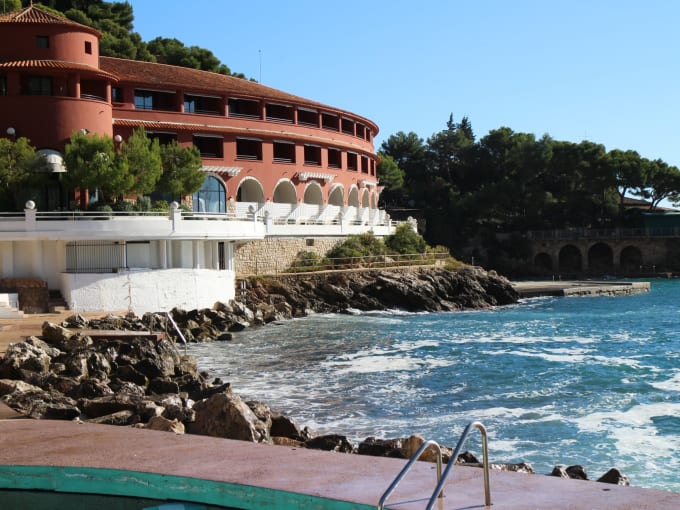
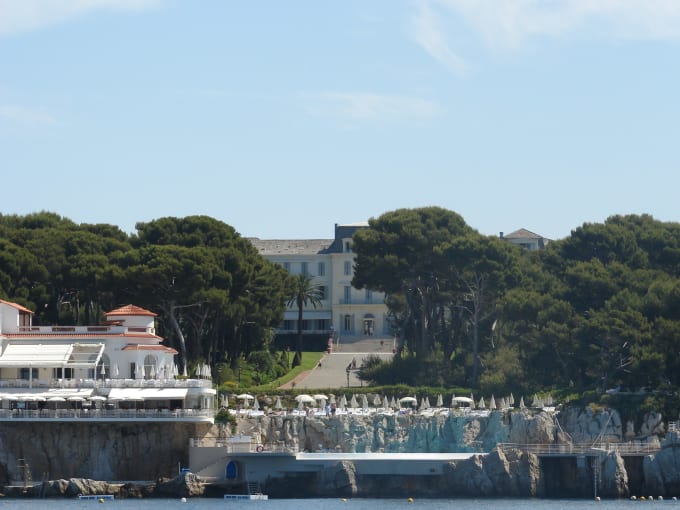
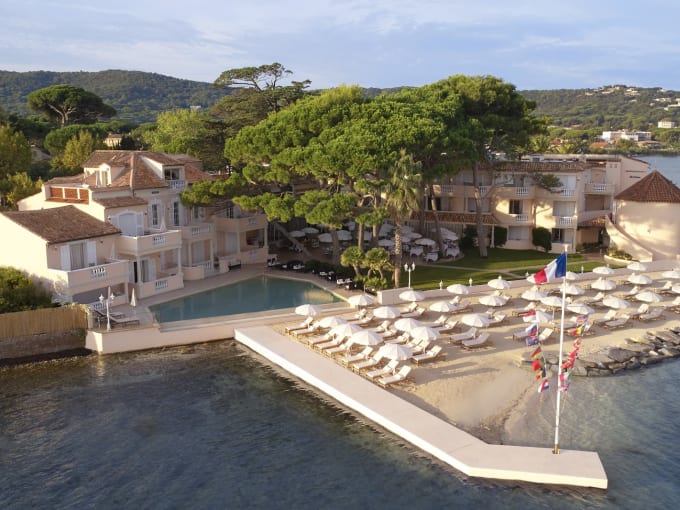
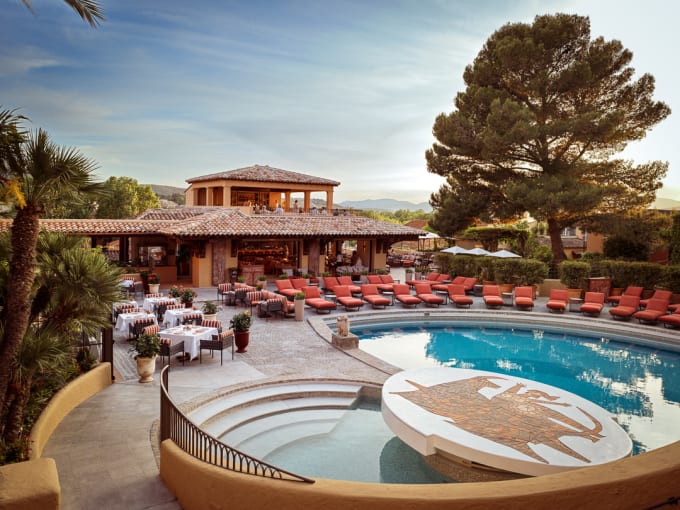
On the French Riviera, a gastronomic hotel is not merely a place to stay; it is often a destination where one books a table even before securing a room. Between Monaco, Cap-Ferrat, Nice, Antibes, Cannes, and Saint-Tropez, the cuisine shapes the experience as much as the sea view. It also tells a precise geographical story. Here, terraces overlook the capes, gardens descend towards the water, and menus converse with the Mediterranean. In this landscape, establishments such as Cheval Blanc St-Tropez, Hôtel du Cap-Eden-Roc, La Réserve de Beaulieu, and the Grand-Hôtel du Cap-Ferrat, A Four Seasons Hotel, hold a central position. They demonstrate that in the French Riviera, gastronomy is not an add-on; it is part of the hotel's identity, alongside architecture, service, and local roots.
To establish a credible ranking, we do not rely on mere promises of communication; we observe facts. First, the ability of a hotel to offer a genuine culinary destination is paramount. This involves having a recognised restaurant, a coherent offering across the signature restaurant, lunch, breakfast, and room service. We also consider the setting. On the Côte d'Azur, the relationship between cuisine and landscape is significant. A historic dining room in Monaco, a terrace in Cannes, a garden in Saint-Jean-Cap-Ferrat, or a promontory in Antibes provide different experiences. Our advisors also take into account consistency. A great gastronomic hotel must be reliable in both high and low seasons. Finally, we incorporate the hotel’s status, particularly Atout France Palaces, when it illuminates the overall level of expectation.
The azure panorama is more varied than one might imagine. Some hotels embody the grand classicism of the Riviera, such as Hôtel Hermitage Monte-Carlo, Carlton Cannes, Hôtel Martinez, or Hôtel Le Negresco. Others favour a more discreet interpretation of luxury, with a strong focus on the plate and the rhythm of the stay. La Réserve Ramatuelle - Hôtel, SPA and Villas exemplifies this approach. Conversely, establishments like Hôtel Byblos Saint-Tropez or Airelles Saint-Tropez Château de la Messardière offer a more expansive experience, where gastronomy is part of a complete ecosystem. We must also consider more intimate formats, such as Cap d'Antibes Beach Hotel or Hôtel Juana, which charm with their scale. This ranking thus brings together very different signatures, yet comparable on the essentials.
For 2025 and 2026, several trends are emerging on the Côte d'Azur. The first is the return of a less demonstrative gastronomy. Travellers still demand a high level of technical skill but seek greater clarity, seasonality, and precision. The second trend concerns dining venues. Clients want to experience multiple atmospheres within the same hotel. A destination dinner, a lunch by the water, a grand hotel breakfast, and a more spontaneous offering are now expected as a cohesive package. The third evolution is the growing importance of the wine cellar and beverage service. Without being a passing fad, more flexible pairings and Mediterranean references are gaining prominence. Our advisors also note an increasing interest in hotels that can articulate gastronomy, wellness, and long stays.
The Côte d'Azur remains a laboratory for French luxury, but in a very particular version. Here, excellence is not limited to decorum; it rests on a form of fluidity. A great gastronomic hotel on the Riviera must seamlessly transition from a formal dinner to a lunch on the terrace without a tonal break. It must also master the art of pacing. Service should neither be rushed nor distant; it should accompany the day, from coffee facing the sea to the last drink. In establishments like La Réserve de Beaulieu, Grand-Hôtel du Cap-Ferrat, A Four Seasons Hotel, or Hôtel du Cap-Eden-Roc, this continuity is essential. My advice is simple: if you choose a gastronomic hotel on the Riviera, consider the coherence of the day as much as the prestige of the dinner. This is often where the true difference lies.
This ranking should also be approached methodically. The best gastronomic hotel on the Côte d'Azur is not the same for everyone. Some travellers seek a historic institution with precise ceremonial elements and a strong sense of place. Others prefer a more contemporary, quieter address, or one closer to the sea. A couple on a short stay may not necessarily choose the same establishment as a regular visitor to Saint-Tropez or a Cannes enthusiast during major events. Therefore, we do not pit hotels against each other harshly; we order them according to the strength of their overall gastronomic proposition. This includes the restaurant's reputation, the environment, the consistency of the experience, and the hotel's ability to make cuisine a genuine reason to travel.
In the following Top 10, you will find iconic Palaces, Riviera institutions, and a few more intimate addresses. All share a common point: they provide a concrete reason to visit the Côte d'Azur for dinner, lunch, and a stay.