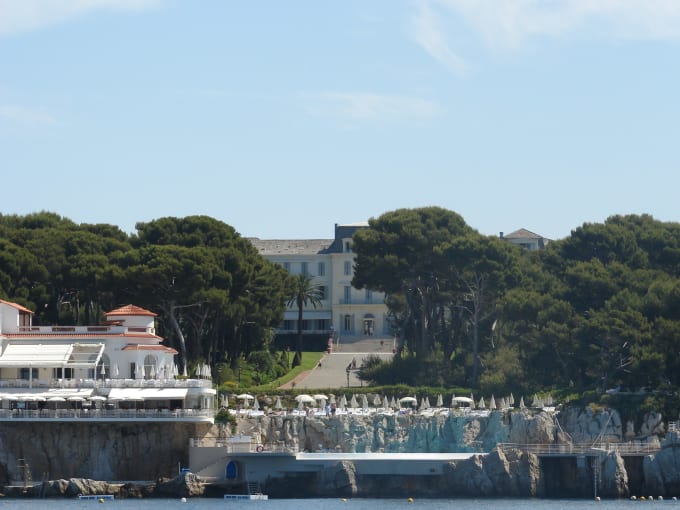
On the French Riviera, family travel has evolved beyond a mere compromise between parental comfort and children's logistics. It has become a choice of destination, almost a discipline in itself. Between Saint-Jean-Cap-Ferrat, Cannes, Antibes, and Nice, the coastline boasts hotels capable of orchestrating various rhythms of stay. Some are ideal for long summer holidays, while others are better suited for extended weekends out of season, when the light remains gentle and the towns more fluid. This selection includes historic signatures such as the Grand-Hôtel du Cap-Ferrat, A Four Seasons Hotel, Hôtel Barrière Le Majestic, Hôtel du Cap-Eden-Roc, and Hôtel Martinez. Urban options like Anantara Plaza Nice and Hôtel Le Negresco are also included, catering to families wishing to combine beach time, culture, and ease of movement.
To establish a family ranking on the Côte d'Azur, we never limit ourselves to the mere reputation of a hotel. We first assess the clarity of the stay, which encompasses accessibility, room configurations, the possibility of booking suites or connecting rooms, and the ease of movement with children. Next, we consider the immediate surroundings. A large terrace, a garden, direct access to the sea, a private beach, or a central location can significantly enhance the day. The level of service is also important, but in a practical sense. A great family hotel is not only elegant; it knows how to absorb the unexpected, adapt schedules, simplify meals, and maintain a consistent level of service, even during peak season. What our advisors particularly observe is the ability of a hotel to remain calm when the stay becomes lively.
The Riviera landscape is particularly interesting as it does not offer a single model of family holidays. In Cannes, the grand institutions along the Croisette cater to families who wish to do everything on foot. The beach, shops, promenades, and transfers are all straightforward. In Saint-Jean-Cap-Ferrat, the experience becomes more residential, favouring longer stays, gardens, tranquillity, and a sought-after retreat for families with young children. Antibes and Cap d'Antibes provide a different balance, offering a more direct connection to nature, pine trees, the sea, and large estates. Finally, Nice allows for a more urban interpretation of the stay, often the ideal choice for blending museums, seafronts, accessible restaurants, and short excursions without being entirely dependent on a car.
For 2025 and 2026, several trends are emerging in this segment. The first concerns space. Families are increasingly opting for suites, villas, private terraces, and hotels capable of offering multiple accommodation formats. The second relates to the calendar. While the peak season remains in demand, spring holidays, May bank holidays, and late-season stays are gaining traction. The Côte d'Azur is well-suited for this, with a favourable climate, more breathable beaches, and often greater flexibility in service. A third, more subtle evolution is that parents are seeking less constant entertainment and more quality attention. A good kids' club can certainly be a plus, but the real difference often comes from a team capable of anticipating an earlier dinner, a suitable boat trip, or a day designed around multiple generations.
It is also important to remember what French luxury means here, in its most convincing form. On the Riviera, it is not merely about decorum; it is based on continuity. A beautiful arrival, stable staff, clear architecture, well-maintained outdoor spaces, and a sense of fluidity from morning to night are essential for families. This continuity allows for a seamless transition from a breakfast with a view to a swim, then a nap, without a break in tone. In the best establishments, refinement never overshadows practicality. This is often the distinguishing factor between a truly welcoming palace for families and a simply prestigious hotel. My advice is straightforward: on the Côte d'Azur, choose not so much a label as a way of staying. The right address is one that respects your rhythm, not one that imposes its own.
This ranking should therefore be viewed as an editorial selection, not as an abstract verdict. Each hotel represents a different idea of family. Some are perfect for a first stay with children, thanks to their accessibility and facilities. Others are better suited for families accustomed to large hotels, seeking more intimacy and discretion. An urban address in Nice does not serve the same purpose as a grand estate in Cap d'Antibes. A palace on the Croisette does not offer the same experience as a more secluded retreat in Saint-Jean-Cap-Ferrat. It is important to note that we are ranking hotels that know how to welcome families with seriousness, coherence, and style. We are not seeking sensationalism; we prioritise establishments where the quality of the stay withstands the concrete details.
In the following Top 10, you will find iconic institutions, historic palaces, and some more contemporary options. All share a common point: they make the Côte d'Azur accessible and desirable for families.