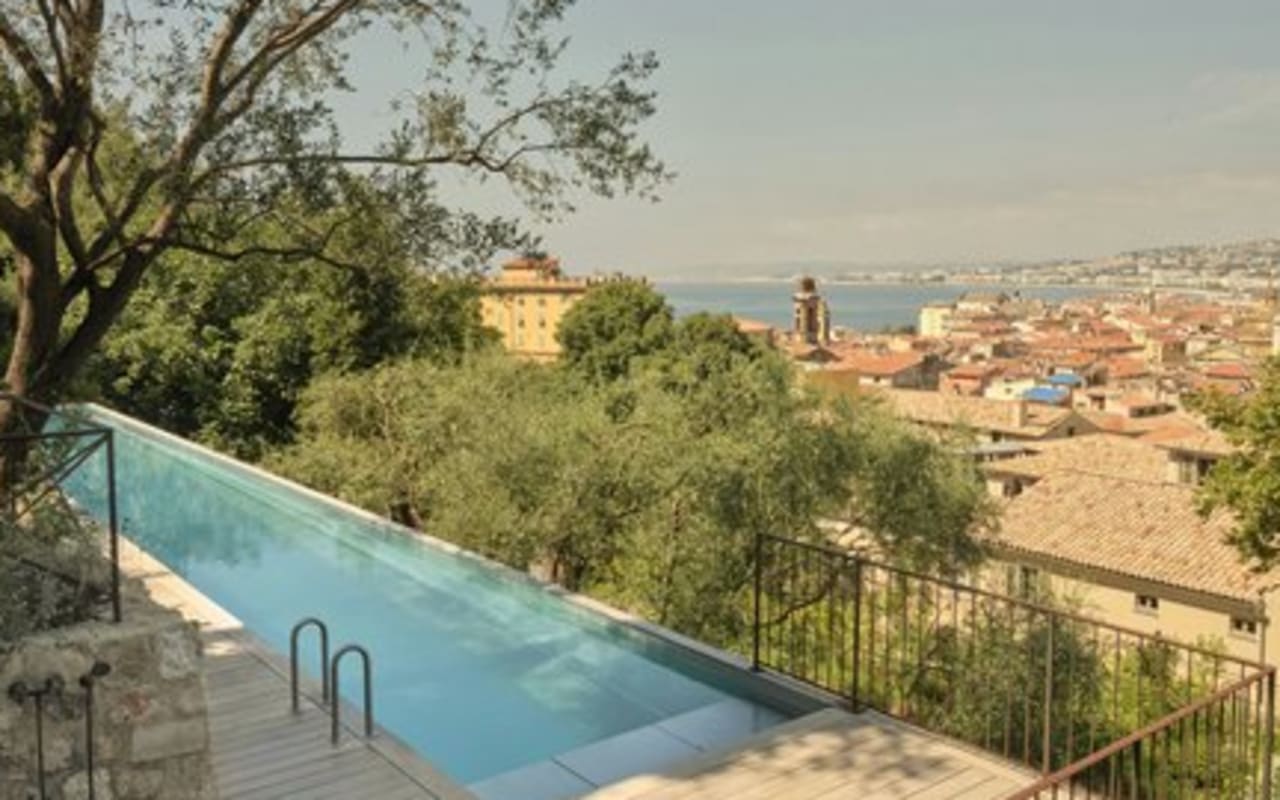
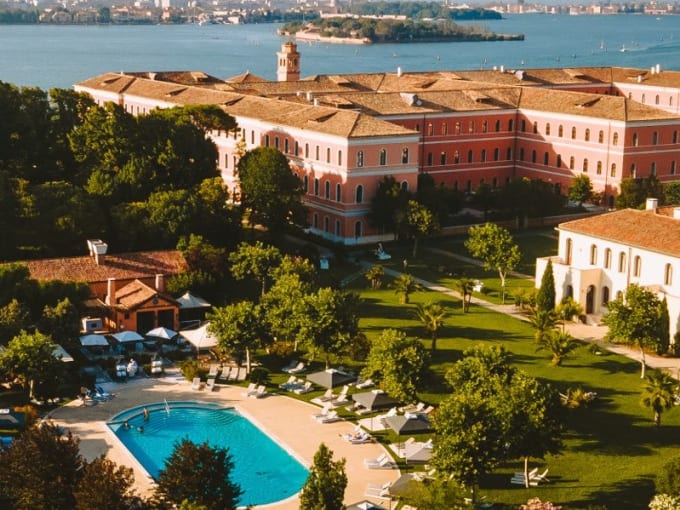
On the Côte d'Azur, hotel design transcends mere decoration. It shapes the experience, the rhythm of the stay, and the way one inhabits the Riviera. Between Nice, Cannes, and Saint-Jean-Cap-Ferrat, travellers today seek places that can express a clear identity. Some favour grand heritage architecture reimagined, while others embrace a more contemporary, graphic, and sometimes minimal language. This selection is part of that movement. It observes how established addresses, such as Hôtel Le Negresco, Carlton Cannes, or Grand-Hôtel du Cap-Ferrat, A Four Seasons Hotel, engage in dialogue with more recent propositions. Notably, along this coastline, design never overshadows the landscape. It harmonises with light, gardens, the sea, and one of the densest hotel histories in Europe.
To establish an editorial ranking on design, we do not adhere to a single aesthetic. We first consider the overall coherence. The exterior architecture, volumes, circulation, treatment of light, and relationship to the site are as important as the furniture. We also assess the project's readability. A design hotel is not merely a property with beautiful signature pieces; it must offer a complete vision, from the lobby to the rooms, from terraces to wellness spaces. Our advisors also take into account a venue's ability to endure over time. A strong design choice must remain livable. Finally, we value addresses where design genuinely enhances the stay. Comfort, intimacy, functionality, and atmosphere remain decisive criteria.
The azure panorama presented here is particularly rich, as it does not limit itself to a single school of thought. In Nice, Anantara Plaza Nice and Boscolo Nice Hôtel & Spa illustrate two distinct approaches to working with Belle Époque heritage. One opts for elegant reinterpretation, while the other embraces a more theatrical and urban reading. Hôtel du Couvent introduces another grammar, prioritising materiality, visual silence, and a cultivated form of minimalism. In Cannes, Hôtel Barrière Le Majestic and Carlton Cannes remind us that the grand seaside hotel can evolve without renouncing its status. In Saint-Jean-Cap-Ferrat, Grand-Hôtel du Cap-Ferrat, A Four Seasons Hotel, advocates for a more landscape-oriented relationship to design. What our advisors often observe is that the Riviera succeeds when it avoids the clichéd Mediterranean pastiche.
The trends for 2025-2026 confirm several underlying themes on the Côte d'Azur. Firstly, a return to tactile materials. Stone, lime, light wood, ceramics, and natural textiles are gradually replacing overly ostentatious effects. Secondly, there is a rise in quieter luxury. Hotels are less focused on immediate impressiveness and are instead working on the depth of details, acoustic quality, and the sensation of space. Another clear evolution is the integration of wellness into the design narrative. Spas, pools, gardens, and relaxation areas are no longer mere annexes; they extend the aesthetic story. Finally, recent renovations show a growing interest in the memory of buildings. In this regard, addresses like Carlton Cannes, Anantara Plaza Nice, or Hôtel du Couvent offer very different yet instructive interpretations.
Discussing design on the Riviera also necessitates a conversation about French luxury. Here, it is not reduced to ornamentation or heritage demonstration; it often rests on a more subtle tension. On one side, a codified tradition of hospitality, with grand salons, historic façades, and a sense of service. On the other, a desire to make these places more fluid, open, and contemporary. The best Azurian design knows how to preserve this tension. It respects customs without freezing spaces. My advice: observe how a hotel stages the morning light, the afternoon shadows, and the evening flows. It is often there that the true quality of a project is revealed. Successful design accompanies the hours of the day rather than merely producing an image.
This ranking should therefore be read as a mapping of sensibilities, not as an absolute verdict. A highly composed heritage hotel does not satisfy the same desire as a more monastic address or a renovated grand seaside establishment. Some travellers will seek an iconic decor, immediately identifiable, while others will prefer more understated lines, a more restrained palette, or a more direct dialogue with the garden. We do not aim to homogenise these expectations. We seek to distinguish hotels where design has a clear, credible, and lasting function. This is also why very different establishments can coexist in this top list. Each offers a particular way of inhabiting the Côte d'Azur, and each speaks to a different moment of travel.
In the following pages, our top 9 highlights these signatures. You will find palaces, reinvented institutions, and hotels where design becomes almost a discipline of stay. The aim is not to crown a unique style but to identify the most compelling addresses for experiencing the Riviera through space, material, and light.