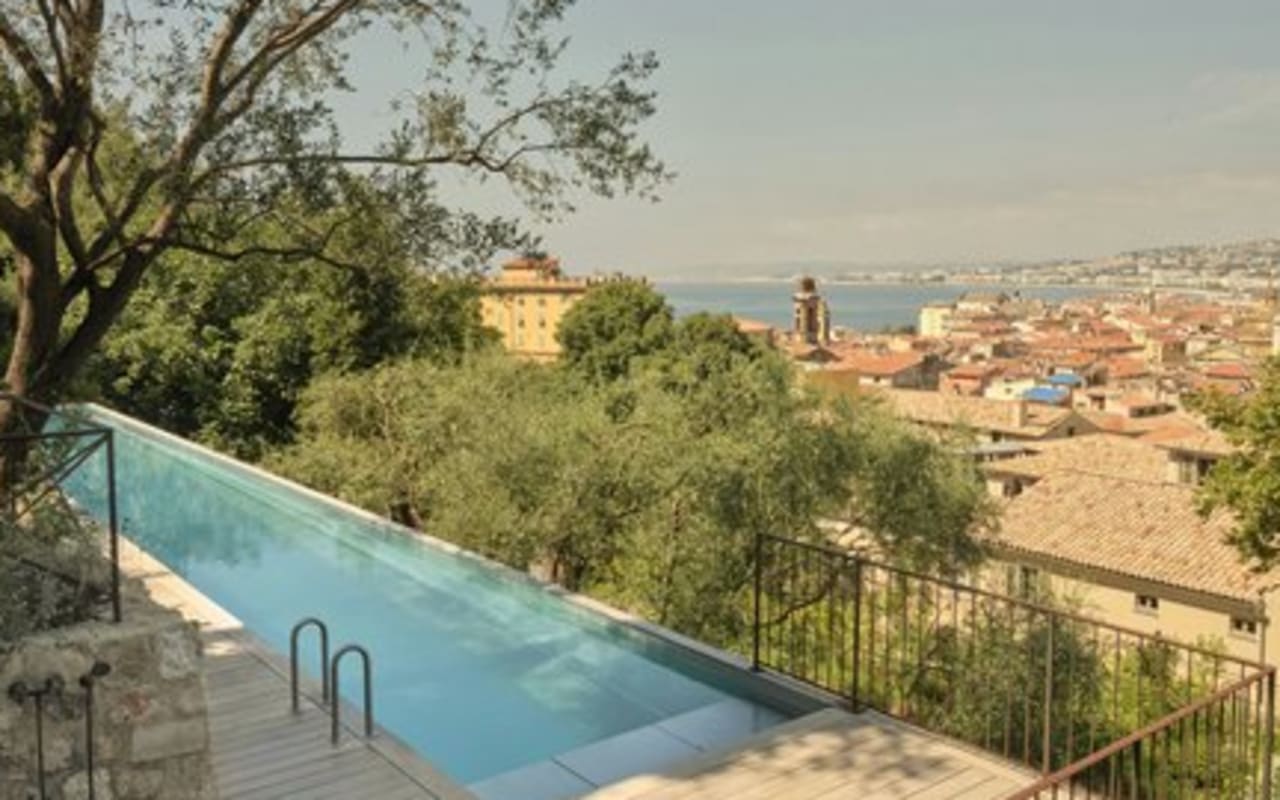
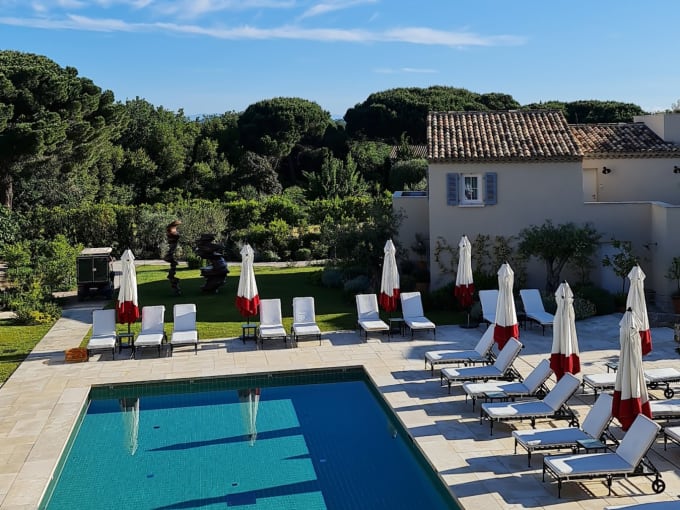
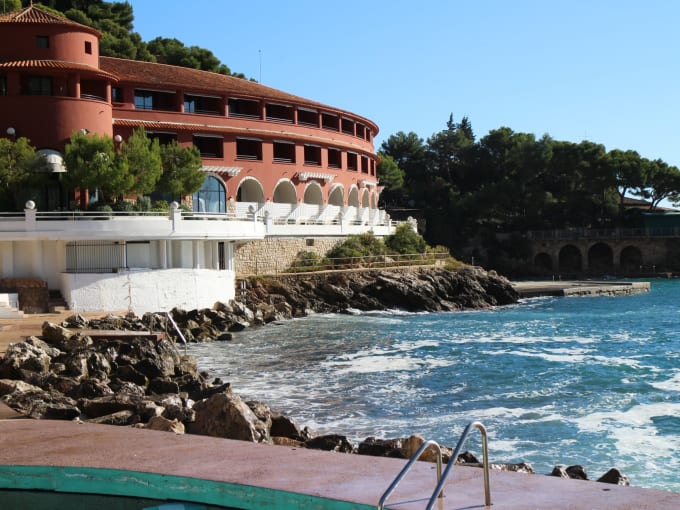
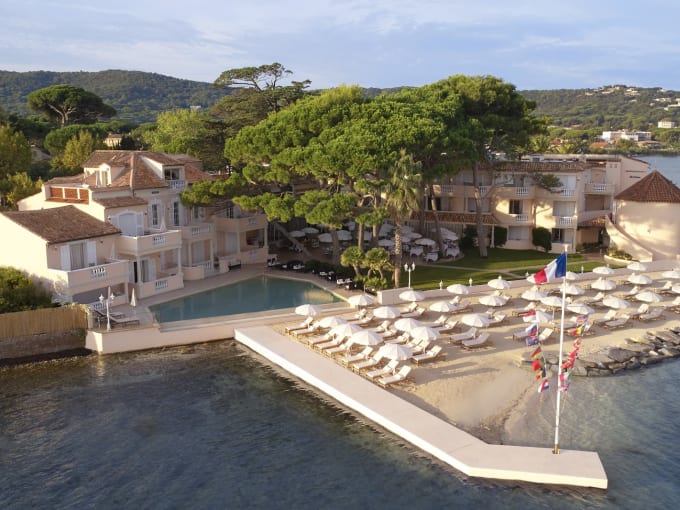
On the Côte d'Azur, hotel design transcends mere postcard aesthetics. It engages with light, topography, and a rich social and seaside history. From Nice, Cannes, Saint-Tropez, Saint-Jean-Cap-Ferrat to Monaco, the most compelling addresses grapple with a simple question: How to inhabit the Mediterranean today without erasing the layers of the past? This is what makes this segment so exciting. A Belle Époque palace like the Grand-Hôtel du Cap-Ferrat, A Four Seasons Hotel, expresses design differently than Lou Pinet in Saint-Tropez. Anantara Plaza Nice, Boscolo Nice Hôtel & Spa, Hôtel du Couvent, Cheval Blanc St-Tropez, and Hôtel de Paris Monte-Carlo also showcase very different responses. Our perspective favours this controlled diversity over a uniform trend.
At MyConciergeHotel, a design ranking does not merely reward a beautiful silhouette or a photogenic lobby. We first assess overall coherence. Architecture, renovation, materials, flow, relationship to the landscape, spatial clarity, and quality of execution must convey the same idea. We then consider local integration, which is significant on the Côte d'Azur. A relevant address knows how to work with the sea, gardens, terraces, shade, perspectives, and outdoor life. We also factor in the level of hospitality, as design only matters if it enhances the experience. Finally, we compare hotels within their actual category. A historic palace is not judged like a boutique hotel with character. It is essential to note that we always favour places where form serves function.
The azure panorama is broader than one might imagine. Cannes retains significant historical signatures, with the Carlton Cannes and Hôtel Barrière Le Majestic. Nice juxtaposes multiple languages. The Boscolo Nice Hôtel & Spa adopts a more urban and contemporary interpretation. Anantara Plaza Nice reinterprets a grand address with a modern perspective. Hôtel Le Negresco remains a unique case, almost museum-like, where the decor becomes a cultural statement. Hôtel du Couvent opens yet another path, more contemplative, heritage-focused, and textured. In Saint-Tropez, Cheval Blanc St-Tropez and Lou Pinet offer a more subdued luxury, tied to a domestic scale and the rhythm of holidays. Further east, Hôtel de Paris Monte-Carlo and Monte-Carlo Beach remind us that the Riviera also includes Monaco, with a design tradition linked to the international scene.
For 2025 and 2026, several trends are solidifying on the Côte d'Azur. The first is the return of tactile materials. Light stone, patinated wood, ceramics, natural textiles, and less ostentatious palettes are replacing overly pronounced decors. The second is the rise of a calming design. The best hotels seek less for spectacular effects and more for visual tranquillity, fluidity, and proportion. We also observe a growing interest in demanding heritage rehabilitations. They allow for the preservation of local identity without freezing the places. Finally, the boundary between design and well-being is becoming more porous. The spa, the room, outdoor spaces, and dining must form a coherent whole. My advice for this destination is simple: always observe how a hotel handles morning light, circulation to the outdoors, and its relationship to the sea.
Discussing design on the Côte d'Azur also involves a certain idea of French luxury. Not a fixed formula, nor a standardised decor. Here, refinement often arises from balance. A large volume must remain habitable. A heritage must stay alive. A view should be framed without becoming the sole argument. The best addresses know how to exercise restraint. They allow space for the landscape, silence, the freshness of a patio, the precision of a terrace, or the simplicity of a well-thought-out room. What our advisors often observe is this ability to make the effort feel effortless. The most appropriate design does not impose its presence at every moment. It accompanies the stay, clarifies usage, gives rhythm to the day, and leaves a lasting imprint of a place in memory.
It is also important to read this ranking carefully. We do not aim to designate a perfect hotel for everyone. A lover of contemporary lines, sobriety, and urban atmospheres may not choose the same address as a traveller drawn to grand historical decors. Similarly, a couple's stay, a design weekend in Nice, a seaside break in Saint-Tropez, or a few nights in Monaco will not prioritise the same aspects. Some hotels excel through their renovation. Others through their fidelity to a strong identity. Still others through their ability to harmonise heritage and modernity. This is why our selection values distinct expressions. It does not penalise more classical approaches. It highlights those that, in this specific destination, offer a clear, refined, and genuinely experienced vision of design.
In the following Top 10, you will find iconic palaces, reimagined grand houses, and more discreet addresses. Each provides a different answer to the question of azure design. Our role as concierge is to help you choose the one that resonates with you.