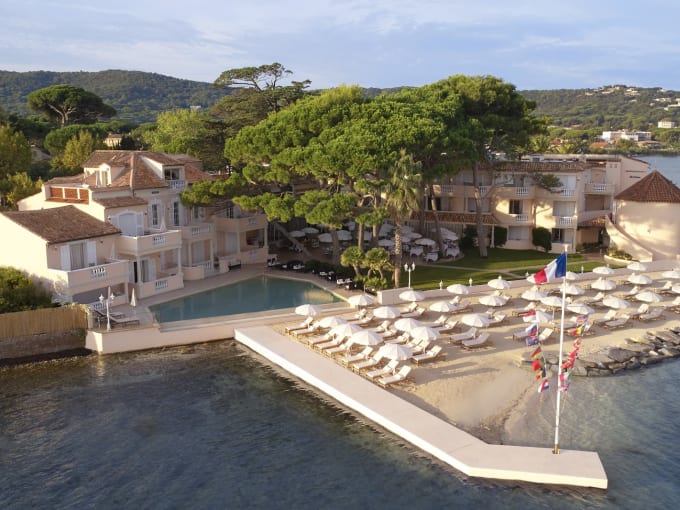
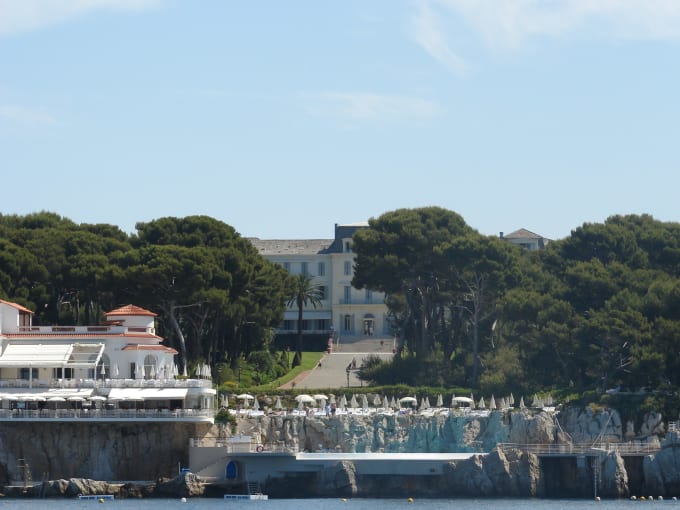
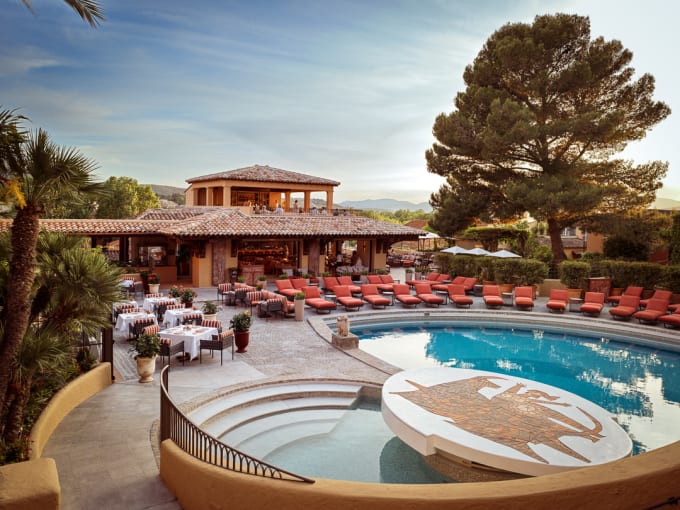
On the French Riviera, five-star hotels speak a unique language. They convey light, access to the sea, and social geography. Between Nice, Cannes, Antibes, Saint-Jean-Cap-Ferrat, Èze, Ramatuelle, and Saint-Tropez, each establishment reflects a distinct idea of a stay. Some focus on the legendary beach resort experience, while others favour the discretion of a promontory, a perched village, or a pine forest. This is precisely what makes this segment so captivating. A five-star hotel on the Riviera is never merely defined by its category; it tells a story of its relationship with the shoreline, the seasonal rhythm, and the way of living in the South. This is crucial to remember before even discussing rankings. Here, location is not just a backdrop; it structures the entire experience.
To establish this top 10, we have adopted a deliberately editorial approach. It intersects hotel status, the reputation of the establishment, product consistency, and the strength of the location. We also consider a hotel's ability to embody its destination. A palace like the Grand-Hôtel du Cap-Ferrat, A Four Seasons Hotel, the Hôtel du Cap-Eden-Roc, the Hôtel Martinez, Cheval Blanc St-Tropez, La Réserve Ramatuelle, or Airelles Saint-Tropez Château de la Messardière expresses a different register. Yet, each sets a clear standard. Alongside them, five-star hotels such as Anantara Plaza Nice, Carlton Cannes, Château de la Chèvre d’Or, or Cap d’Antibes Beach Hotel represent other balances. What our advisors observe is also significant. The quality of arrival, clarity of spaces, the relationship between promise and reality, and consistency of service remain decisive.
The Riviera panorama impresses with its density of styles. Nice retains urban addresses designed to combine Belle Époque façades, cultural access, and views of the bay. Cannes remains true to its grand narrative of seaside promenades, historic palaces, and hotels tailored for event stays. Antibes and Cap d’Antibes cultivate a more botanical relationship with the coastline. Saint-Jean-Cap-Ferrat plays the card of a rare peninsula, almost withdrawn from the world. Èze introduces a unique verticality, with views that owe as much to the relief as to the sea. Finally, Saint-Tropez and Ramatuelle coexist with two distinct imaginations. One is social, visible, and rhythmically influenced by the village and the beaches. The other is more secluded, more residential, and at times more contemplative. In this ranking, this diversity is not a detail; it is the very essence of choice.
For 2025 and 2026, several trends are solidifying on the Côte d'Azur. The first concerns space. Travellers are increasingly weighing the balance between scene and retreat. They want to be able to reach an iconic address and then return to a room, suite, or villa shielded from noise. The second trend relates to well-being. The spa is no longer merely an additional service; it has become a selection criterion, especially in establishments like La Réserve Ramatuelle - Hôtel, SPA and Villas or Boscolo Nice Hôtel & Spa. The third evolution is that the season is extending. The Côte d'Azur is no longer only read from May to September. Nice, Monaco, Èze, and Cannes are gaining relevance outside of summer. Finally, the notion of a view is becoming more refined. Clients are not just seeking the sea; they are looking for a harmonious relationship between horizon, intimacy, terrace, garden, and circulation within the hotel.
French luxury on this coast does not always manifest through ostentation. It often hinges on a certain discipline of detail: a smooth arrival, a room whose proportions respect the location, service that anticipates without intruding, and a terrace that invites one to slow down. This philosophy is interpreted differently depending on the establishments. At Carlton Cannes or Hôtel Martinez, it dialogues with the history of the Croisette. At Château de la Chèvre d’Or or Chateau Eza, it is conveyed through topography and the feeling of being suspended above the Mediterranean. At Cap d’Antibes Beach Hotel or Cap Antibes Beach Hôtel, it expresses itself through a more immediate proximity to the water. My advice is simple: on the Côte d'Azur, choose a style of stay before selecting a room.
This ranking should also be approached methodically. A number one does not negate the relevance of number six or number ten. Each hotel caters to a specific use. Some are better suited for a first stay on the Riviera, while others appeal more to regular visitors seeking a more discreet rhythm. Some excel for a long weekend without a car, while others come into their own with a private transfer, a boat, or a beach programme. We do not seek to establish an abstract hierarchy of luxury; we aim to organise comparable but non-interchangeable experiences. This is an important nuance. A palace in Saint-Tropez does not serve the same function as a five-star hotel in Nice or a perched address in Èze. The best hotel is often the one that aligns perfectly with your way of travelling.
In the following top list, you will find ten solid interpretations of the Riviera's five-star offerings. Some are historic, while others are more contemporary. All have a clear reason for being included. We have favoured establishments that deliver on their promises and whose local roots remain evident.