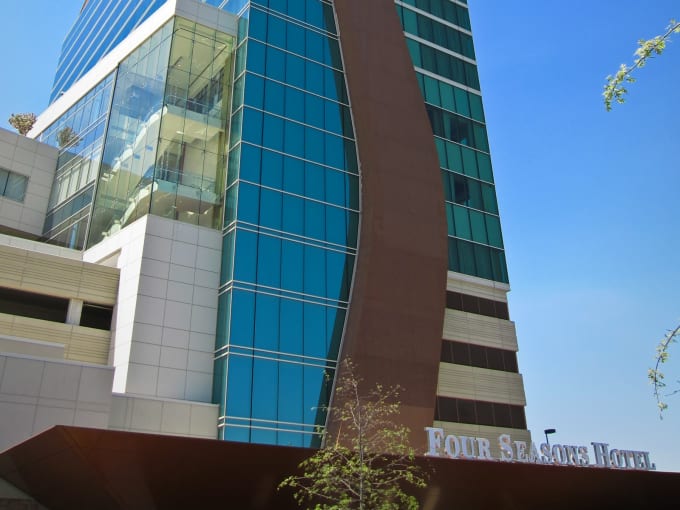
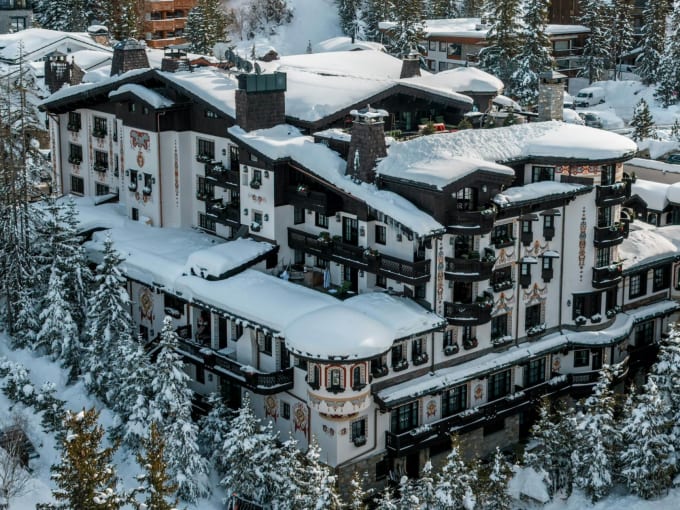
In the Alps, five-star hospitality is no longer merely a location at the foot of the slopes; it tells a story of the stay's geography. Courchevel, Megève, Val Thorens, and Tignes each express a unique relationship with the mountains. Some establishments prioritise ski-in, ski-out access, while others focus on the intimacy of a chalet, village life, or a more contemporary setting. This segment therefore warrants a dedicated ranking, as it constitutes a significant part of French alpine luxury. It also brings together a diverse array of signatures. Cheval Blanc Courchevel, Les Airelles Courchevel, Le K2 Palace, L’Apogée Courchevel, and Four Seasons Hotel Megève exemplify this plurality. It is important to note that five-star alpine hotels are judged as much on the overall experience as on the prestige of the address.
To establish this overview, we first consider clear and verifiable criteria. The primary criterion remains the official classification level, which here is five stars. We then assess the consistency of brand reputation, the exact location, access to the ski area, and the ability to provide a coherent experience. The Palace status, when it exists, naturally factors into the analysis, distinguishing several major establishments in Courchevel and Megève. We also examine the type of stay. A large hotel in a ski resort does not meet the same expectations as a private chalet or a family resort. What our advisors primarily observe is the alignment between promise and actual experience. A grand ski trip, a wellness retreat, or a multi-generational week calls for different hotels.
The landscape presented here shows a remarkable concentration around Courchevel, with references that have become foundational for alpine luxury. Cheval Blanc Courchevel, Les Airelles Courchevel, Le K2 Palace, L’Apogée Courchevel, Le Fouquet’s Courchevel, and Aman Le Mélézin form a rare core. Few European resorts boast so many five-star addresses with a strong identity. Megève offers a different response, with Four Seasons Hotel Megève and several five-star chalets, including Chalet Blanche Neige, Chalet Des Planes, Chalet La Belle Étoile, Chalet Martin, and Chalet Saint-Georges. Val Thorens provides a higher-altitude perspective with Altapura. Tignes-Val-Claret enters the conversation with Club Med Tignes. Finally, Alpes Hôtel du Pralong reminds us that in Courchevel, the five-star offering is not limited to the most publicised establishments.
For 2025 and 2026, three trends are establishing themselves firmly in the Alps. The first concerns space. Travellers are increasingly favouring suites, apartments, and serviced chalets. The second relates to the rhythm of the stay. Skiing remains central, but it now shares the spotlight with spa experiences, hotel gastronomy, and family programmes. The third trend is one of clarity. Clients want to immediately understand the personality of a property—whether it is a palace resort, a design refuge, a private chalet, or a leisure-focused resort. In this context, Four Seasons Hotel Megève capitalises on a globally recognisable brand. Altapura maintains a contemporary identity at high altitude. Club Med Tignes caters to a more structured, intergenerational demand that is simpler to organise. My advice is to always interpret an alpine address by its dominant use.
French luxury in the mountains has its own particular grammar. It does not solely rely on appearance; it hinges on the precision of service, the fluidity of the days, and how the hotel adapts to the climate, the snow, and the return to skiing. In the Alps, a great establishment is often recognised by what it avoids: dead times, complicated transfers, poorly designed spaces, or overly rigid codes. The palaces of Courchevel have greatly contributed to this standard. They have set a very high level of service in an environment constrained by season and altitude. Megève cultivates a more village-like, residential expression. Val Thorens advocates a more sporty interpretation. Tignes prioritises efficiency. This diversity enriches the segment, without a single model prevailing everywhere.
Thus, this ranking should be read without a reflex for superlatives. The number one does not negate the number ten; it signals an editorial synthesis at a given moment. Some establishments excel due to their Palace status, while others shine through their location, confidentiality, or suitability for a specific clientele. A five-star chalet in Megève may be more appropriate than a grand Palace in Courchevel, depending on the travel project. Conversely, an iconic ski-in, ski-out address may be essential for a first alpine experience. Our advisors often reiterate that the best hotel does not exist in absolute terms; it exists for a particular style of travel, a group composition, and a season. This is why we prioritise concrete justifications. Brand, resort, category, type, and coherence of experience always take precedence over mere announcements.
This top ten of the best five-star hotels in the Alps thus serves as a guiding map. You will find major palaces, international signatures, and more residential formats. Each selected address corresponds to a precise idea of the alpine stay. It is this precision that makes the difference.