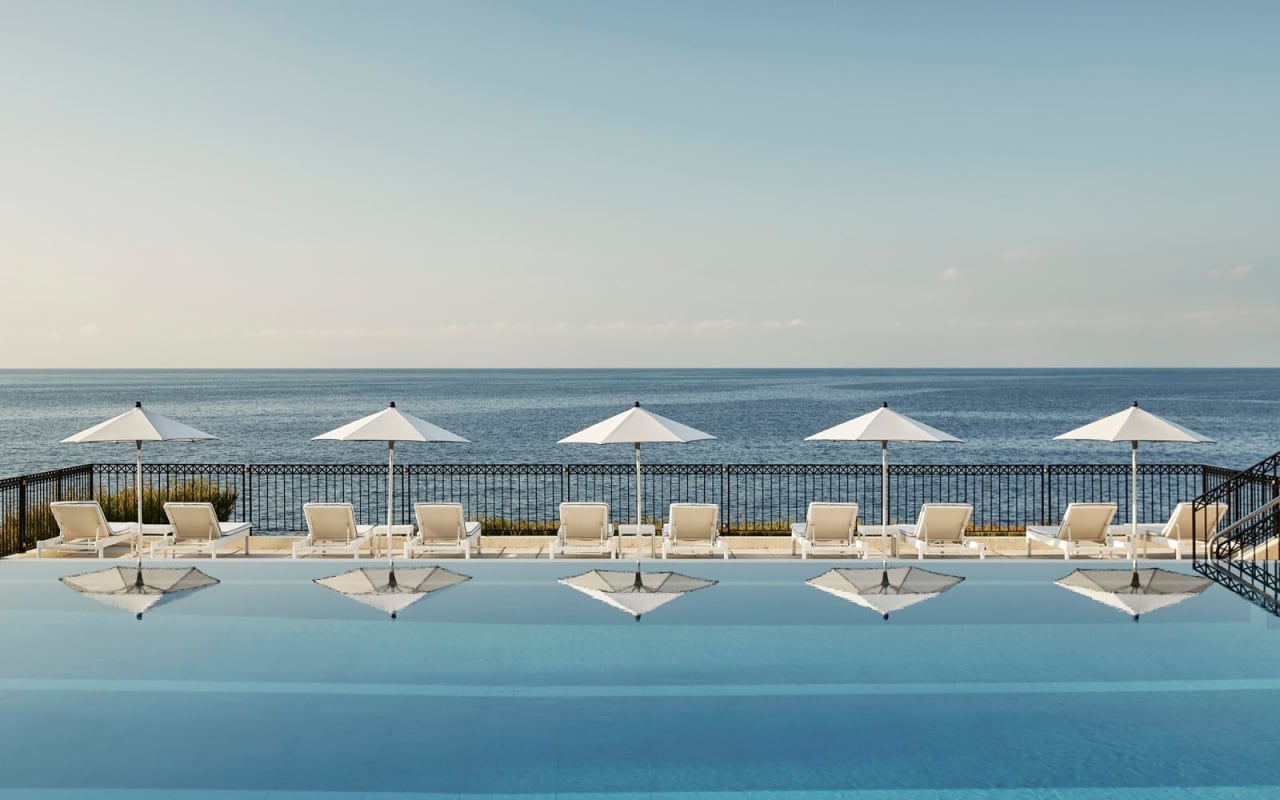
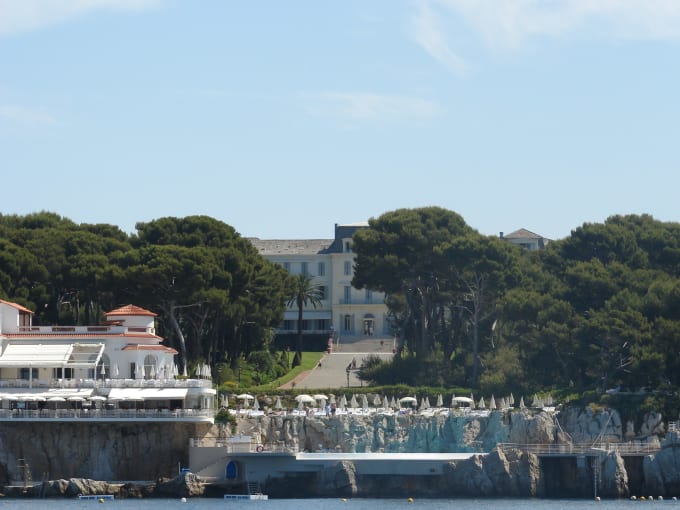
On the French Riviera, the spa has evolved from a mere ancillary service to a pivotal factor in hotel selection, equally as important as the view, the beach, or the location. Between Nice, Cannes, Antibes, and Saint-Jean-Cap-Ferrat, travellers seek more than just a room; they seek a rhythm. They desire the ability to alternate between the sea, light, treatments, movement, and silence, all without leaving the property. This is precisely what makes the Riviera so unique. Here, well-being does not stem from a retreat from the world; it is woven into a vibrant setting, featuring seaside promenades, Mediterranean gardens, historic terraces, and legendary palaces. Establishments such as the Grand-Hôtel du Cap-Ferrat, A Four Seasons Hotel, Hôtel Barrière Le Majestic, Hôtel du Cap-Eden-Roc, Hôtel Martinez, Anantara Plaza Nice, and Hôtel Le Negresco embody this diversity, each offering a distinct interpretation of relaxation.
At MyConciergeHotel, we do not rank spa hotels based on a single criterion. The size of the wellness centre is not enough, nor is the number of treatment rooms. Our assessment encompasses multiple concrete elements. Firstly, we consider the quality of the hotel itself. A Palace Atout France, a historic five-star hotel, or a reference establishment approaches the spa differently. Next, we examine how well-being is integrated into the overall experience. Is the spa central or peripheral? Is it coherent with the location, its architecture, clientele, and seasonal use? We also observe the hotel's ability to provide a genuine sense of respite, which involves humid spaces, natural light, intimacy, views, access to the outdoors, the quality of sports facilities, and the fluidity of service.
The Riviera's landscape is particularly rich, as it does not conform to a single model. In Cannes, the major institutions along the Croisette often combine spa services with private beaches, social life, and short stays. Well-being accompanies a busy agenda filled with festivals, conferences, and extended weekends. In Nice, the approach tends to be more urban, with the spa becoming an inner refuge, useful after a day spent in the city, at museums, or strolling along the Promenade des Anglais. In Saint-Jean-Cap-Ferrat and Cap d’Antibes, the relationship shifts again. Treatments are set in more residential, landscaped, and sometimes discreet environments. What our advisors observe is this variety of usage. Some travellers desire a comprehensive spa experience to structure their entire stay, while others primarily seek an excellent massage table, an indoor pool, or a well-designed hammam.
For 2025 and 2026, several trends are emerging on the Riviera. The first concerns a return to less ostentatious wellness experiences. Clients are requesting fewer catalogue effects, favouring spaces that are clear, calming, well-maintained, and easy to navigate. The second trend relates to the importance of movement. A well-equipped fitness room, discreet coaching, a swimming pool for laps, or outdoor trails are becoming more significant than before. The third trend pertains to local anchoring. Without resorting to folklore, the best hotels aim to connect treatments with Mediterranean light, gardens, terraces, sea air, and a slower pace of life. Finally, we are witnessing a simple yet decisive expectation: the spa must be compatible with the rest of the stay, suitable for both a romantic weekend and a restorative stop after a broader itinerary in Provence-Alpes-Côte d’Azur.
French luxury along this coast is not merely about show; it often embodies a sense of moderation. A successful grand hotel with a spa does not seek to completely isolate the traveller from the landscape; rather, it allows them to inhabit it more fully. One moves from a treatment to a terrace, from a pool to a garden, from a hammam to a sea view. This continuity is significant, distinguishing a spa designed as a destination from one conceived merely as a facility. My advice is to read this ranking through this lens. The Côte d’Azur excels when well-being remains in dialogue with its environment. The light, the pines, the pale stone, the historic facades, the prevalent blue, and the expansive outdoor spaces contribute as much to the experience as the treatments themselves.
It is also important to clarify how to interpret such a ranking. A number one does not negate the qualities of number ten. Each hotel meets different expectations. Some travellers will prioritise history and international reputation, while others may opt for a more contemporary, urban, or accessible address. Some will desire an iconic palace with gardens and a large pool, while others may prefer a city-centre five-star hotel with an efficient spa for a shorter stay. Our role is not to impose a singular taste but to prioritise solid experiences, considering the coherence between the location, hotel level, specific destination, and perceived quality of well-being. Therefore, it is essential to remember that an editorial ranking is not an abstract truth; it is a navigational tool designed to help you make the right choice.
In the following Top 10, you will find iconic palaces, major signatures from Cannes and Nice, as well as more residential retreats. They all share a common point: they allow you to experience the Côte d’Azur through the body as much as through the eye.