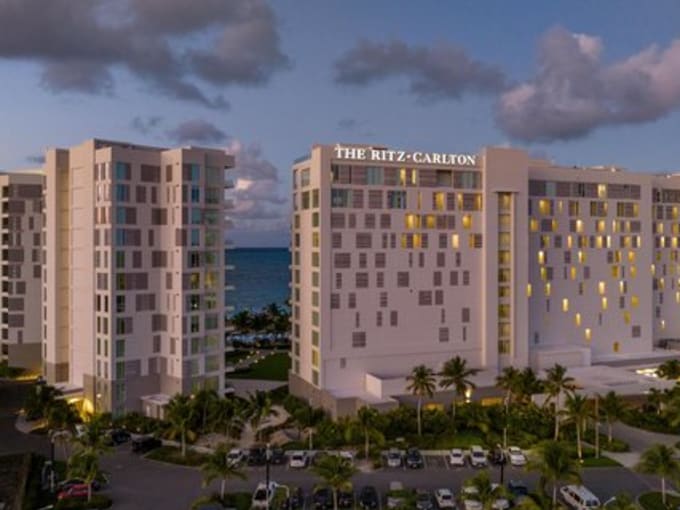
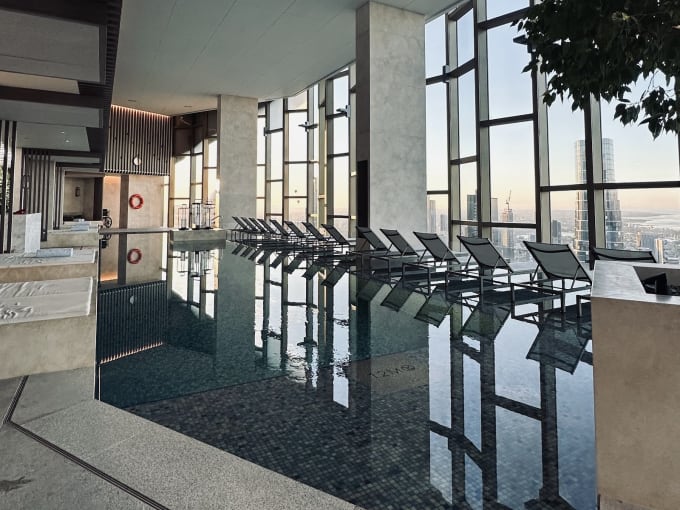
Nos critères de sélection
Notre méthode ne cherche pas l’effet d’annonce. Elle vise à distinguer les Ritz-Carlton qui expriment le mieux la promesse de la marque. Nous croisons d’abord l’ancrage de collection. Cela inclut la lisibilité du positionnement, la cohérence du produit et la capacité d’une adresse à incarner le service Ritz-Carlton aujourd’hui. Un grand hôtel peut être spectaculaire sans être forcément signature. À l’inverse, une adresse plus discrète peut compter si elle tient durablement son rang. Nous observons donc la constance. Elle se lit dans l’accueil, la fluidité des arrivées, la qualité du suivi avant séjour et la précision des attentions sur place. Ce que nos conseillers observent surtout, c’est la régularité. Une maison signature reste fiable en haute saison, sur un court séjour comme sur une semaine complète.
Le deuxième bloc de critères concerne la force de l’adresse. Nous regardons la ville, le quartier, l’accès, les vues et le rapport entre destination et expérience hôtelière. Un Ritz-Carlton urbain n’est pas évalué comme un resort balnéaire. Les attentes diffèrent. En ville, nous valorisons l’emplacement, la qualité des suites, la pertinence pour un séjour culturel ou d’affaires et la capacité à offrir un refuge réel. En resort, nous examinons la lecture du site, l’ouverture sur le paysage, la facilité d’usage des espaces extérieurs et la sensation d’intimité. La taille compte aussi. Un grand complexe peut très bien fonctionner s’il reste lisible et bien rythmé. Une petite adresse doit, elle, justifier son statut par une expérience dense et parfaitement tenue. Mon conseil : regarder toujours l’hôtel dans son contexte. Une signature de collection est d’abord une adresse qui fait sens dans sa destination.
Nous accordons ensuite un poids important au produit lui-même. Les suites jouent un rôle central. Nous évaluons leur proportion dans l’inventaire, leur confort réel, la qualité des plans, la lumière, les vues et la capacité à accueillir différents usages. Cela vaut pour un couple, une famille ou un voyage mêlant travail et loisirs. Le spa compte également, mais pas comme argument automatique. Nous privilégions les établissements où le spa s’intègre à l’expérience générale. Il doit être bien dimensionné, lisible et cohérent avec le rythme du séjour. Même logique pour la restauration. Nous ne jugeons pas seulement la présence de plusieurs tables. Nous regardons la personnalité culinaire, l’ancrage local, la régularité du petit déjeuner et la pertinence de l’offre du matin au soir. Le Club Level entre aussi dans notre grille. Lorsqu’il est bien exécuté, il change la perception du séjour. Il apporte confort, confidentialité et continuité de service. C’est un marqueur utile pour comparer des hôtels au positionnement proche.
Enfin, nous intégrons les usages. Un Ritz-Carlton signature doit répondre clairement à un ou plusieurs profils de voyage. Nous testons donc la pertinence pour les loisirs, les séjours familiaux et les événements. Pour les familles, nous regardons les configurations de chambres, les suites communicantes, la facilité logistique et la qualité des espaces partagés. Pour les mariages et grands rassemblements, nous examinons la lisibilité des salons, la circulation des invités et la capacité à maintenir un service précis malgré le volume. Pour les séjours mixtes, nous observons l’équilibre entre efficacité et respiration. Ce classement ne récompense donc pas seulement les hôtels les plus connus. Il distingue ceux qui combinent identité de marque, excellence opérationnelle et usage juste. À retenir : une adresse signature n’est pas seulement iconique. Elle reste désirable, compréhensible et performante, séjour après séjour.
Questions sur cette section
Dans une collection mondiale comme Ritz-Carlton, faut-il privilégier une adresse urbaine ou un resort ?
Cela dépend du motif du voyage. Une adresse urbaine convient mieux aux séjours culturels, shopping, affaires ou courts week-ends. Un resort Ritz-Carlton prend l’avantage pour le temps long, le bien-être, la plage et les séjours intergénérationnels. La marque sait opérer les deux formats, mais l’expérience n’a pas le même rythme. À retenir, choisissez d’abord selon l’usage réel du voyage. Ensuite seulement, comparez le niveau de suites, de spa, de club lounge et d’activités.
Ritz-Carlton, entre héritage et standard contemporain
Le nom Ritz-Carlton porte un héritage précis. Il renvoie d'abord à César Ritz, hôtelier suisse associé à une idée exigeante de l'hospitalité européenne. Cette filiation compte encore dans l'imaginaire du voyageur. Elle évoque le service formel, le sens du détail et une certaine discipline de maison. Il faut toutefois distinguer l'héritage symbolique de la structure actuelle. La marque Ritz-Carlton d'aujourd'hui appartient à Marriott International. Elle s'inscrit dans un groupe mondial, avec ses outils, ses standards et sa logique de fidélisation. À retenir, donc, le nom conserve une charge historique forte. Mais l'expérience contemporaine repose sur une organisation internationale très codifiée.
L'histoire moderne de la marque s'est construite aux États-Unis. Elle a ensuite pris une dimension mondiale, avant d'entrer dans l'écosystème Marriott. Ce passage est décisif pour comprendre la collection actuelle. Il a permis une expansion plus large, tout en maintenant un positionnement haut de gamme clairement identifié. Ce que nos conseillers observent, c'est une tension bien maîtrisée entre héritage et standardisation. D'un côté, le client attend un cérémonial reconnaissable. De l'autre, il veut une expérience fluide, lisible et cohérente d'une destination à l'autre. Ritz-Carlton a précisément travaillé cette promesse. La marque ne vend pas seulement une chambre. Elle vend une continuité de service, du pré-arrivée au départ, avec des repères stables dans des contextes très différents.
Le cœur du sujet reste le service. Ritz-Carlton s'est imposé par une culture opérationnelle très structurée. Elle repose sur des standards internes connus dans l'industrie. Cette approche vise la constance, plus que l'effet de surprise. Dans les meilleures adresses, cela se traduit par une lecture rapide des attentes. Le personnel anticipe les préférences, gère les demandes complexes et maintient un ton mesuré. Mon conseil, quand on réserve un Ritz-Carlton, est de lire la promesse de marque comme un contrat de régularité. On n'y cherche pas toujours l'excentricité. On y cherche souvent la fiabilité, surtout sur les séjours courts, les voyages d'affaires, les étapes familiales ou les déplacements multivilles. Cette constance explique aussi la fidélité d'une clientèle internationale. Elle sait à peu près ce qu'elle retrouvera. Et dans le luxe hôtelier, cette prévisibilité peut être une qualité décisive.
L'intégration au programme de fidélité de Marriott a encore renforcé cette logique. Pour beaucoup de voyageurs fréquents, l'appartenance à Marriott Bonvoy change la lecture de la marque. Elle ajoute des avantages tangibles, selon le statut et les conditions du séjour. On pense aux points, aux surclassements éligibles, aux bénéfices liés au parcours client et à la facilité de réservation. Cette mécanique compte particulièrement pour une clientèle mobile. Elle combine voyages professionnels, escapades loisirs et séjours long-courriers. Dans ce cadre, Ritz-Carlton bénéficie d'un double levier. La marque conserve un capital symbolique fort. Elle profite aussi de la puissance commerciale et technologique d'un grand groupe. C'est l'une des raisons de sa présence durable dans les arbitrages de nos clients.
Il faut enfin comprendre ce que cette évolution change dans la perception de la collection. Ritz-Carlton n'est pas seulement un héritage figé. C'est une marque de luxe contemporaine, insérée dans une stratégie mondiale. Son enjeu n'est pas de reproduire le passé à l'identique. Il est de traduire un nom historique dans les codes actuels du voyage premium. Cela passe par le service, bien sûr. Cela passe aussi par la fidélisation, la distribution et la capacité à rassurer sans uniformiser totalement. C'est cette équation qui rend la collection intéressante aujourd'hui. Elle parle autant au client attaché aux grands noms qu'au voyageur qui veut des standards clairs. Dans ce classement, c'est ce point de départ qu'il faut garder en tête. Le nom Ritz-Carlton promet une mémoire. Le groupe Marriott lui donne une portée mondiale et des usages très contemporains.
Tables signature et ancrage local
Dans la galaxie Ritz-Carlton, la restauration sert souvent de premier révélateur. Elle dit le niveau d’ambition d’une adresse. Elle dit aussi son rapport au lieu. Nos conseillers regardent d’abord trois marqueurs. La table signature, le bar qui attire au-delà des résidents, et la place laissée aux produits locaux. C’est là que la collection se distingue le mieux. Certaines maisons assument une lecture très internationale. D’autres travaillent une identité plus territoriale. Ce contraste n’est pas un défaut. Il aide plutôt à choisir selon le motif du voyage. Pour un séjour urbain, on cherchera volontiers un restaurant de destination. Pour un resort, l’enjeu devient plus large. Il faut tenir plusieurs registres. Petit-déjeuner, cuisine de plage, dîner formel, cave, mixologie, parfois chef invité.
Les adresses les plus convaincantes évitent le catalogue sans relief. Elles construisent une scène culinaire cohérente. Un grand Ritz-Carlton n’aligne pas seulement plusieurs points de vente. Il hiérarchise les expériences. La table gastronomique donne le ton. Le lounge ou le bar crée le rythme social. Le restaurant plus accessible ancre l’hôtel dans la vie locale. À retenir, la présence d’une étoile ou d’une distinction forte compte. Mais elle ne suffit pas. Nous regardons aussi la capacité à faire venir une clientèle extérieure. C’est un signal utile. Un restaurant fréquenté par les habitants garde souvent une énergie plus juste. Il oblige à rester constant. Il évite l’effet de bulle, fréquent dans l’hôtellerie de luxe. Même logique pour les bars iconiques. Quand un comptoir devient une adresse en soi, l’hôtel gagne une centralité réelle dans sa ville.
L’ancrage local reste le critère le plus discriminant. Dans les meilleures exécutions, la cuisine ne plaque pas un décor régional sur une carte internationale. Elle travaille les saisons, les producteurs, les techniques et les usages du lieu. En Asie, cela peut passer par une lecture précise des cuisines régionales. Au Moyen-Orient, par une mise en avant sérieuse des saveurs levantines ou du Golfe. En Europe, par des cartes qui respectent les terroirs plutôt que de les lisser. Dans les Amériques, par une articulation plus nette entre grill, seafood, influences locales et cave. Mon conseil est simple. Regardez toujours la part de la carte dédiée au territoire. Regardez aussi le petit-déjeuner. C’est souvent là que l’ancrage est le plus sincère. Un buffet standardisé dit beaucoup. Une sélection locale bien pensée dit davantage encore.
Autre point de lecture, la capacité de la collection à faire évoluer son offre. Les Ritz-Carlton les plus solides savent inviter des chefs, monter des collaborations limitées, ou repenser un bar sans perdre leur colonne vertébrale. Cette souplesse compte en 2025. La clientèle veut du repère, mais aussi du mouvement. Les meilleures maisons répondent par une programmation lisible. Dîners à quatre mains, menus de saison, accords plus pointus, formats plus légers au déjeuner, et cocktails mieux reliés au contexte local. Ce que nos conseillers observent aussi, c’est la cohérence entre cuisine et service. Une grande salle ne fonctionne pas sans tempo. Une carte ambitieuse demande une brigade stable. Un bar de destination suppose une mise en scène précise, mais jamais théâtrale.
Au fond, la restauration Ritz-Carlton fonctionne quand elle dépasse la fonction hôtelière. Elle devient un motif de réservation. Ou au minimum, un argument décisif dans l’arbitrage final. Les adresses signature de la collection sont celles qui savent tenir ensemble prestige, lisibilité et territoire. Une table étoilée peut donner l’impulsion. Un bar reconnu peut installer l’adresse dans la ville. Mais c’est l’ensemble qui fait la différence. La qualité du café du matin. La précision du service du thé. La pertinence d’une carte de vins ou de sakés. La place accordée aux cuisines locales sans folklore. C’est cette somme de détails qui sépare une offre correcte d’une adresse que l’on recommande les yeux ouverts.
Spa, Club Level et culture du service
Dans l’univers Ritz-Carlton, le spa et le Club Level jouent un rôle précis. Ils structurent la promesse de séjour autant que la chambre ou l’adresse. Pour une clientèle internationale, ce sont des repères lisibles. Ils signalent un niveau d’attention constant, même quand les contextes diffèrent fortement. Un Ritz-Carlton urbain d’Asie, un resort balnéaire du Golfe ou une adresse américaine n’opèrent pas au même rythme. Pourtant, le voyageur retrouve des codes familiers. Le spa traduit cette continuité par des protocoles clairs, des espaces pensés pour ralentir et une exécution généralement très cadrée. Le Club Level, lui, incarne une forme de conciergerie augmentée. Il ajoute de la fluidité, de l’intimité et un accompagnement plus direct. À retenir, ces deux marqueurs comptent souvent autant que le design. Ils rassurent les habitués et simplifient la lecture de l’offre.
Le Ritz-Carlton Spa reste une référence, car il ne se limite pas au traitement. Il organise une séquence complète de bien-être. Cela commence par l’accueil, la gestion du temps et la qualité du silence. Cela continue avec les vestiaires, les zones humides et la cohérence du parcours. Dans les meilleures adresses de la collection, le spa fonctionne comme une extension du service hôtelier. Le sens du détail y est attendu, pas accessoire. La clientèle internationale observe des éléments très concrets. La ponctualité des thérapeutes compte. La capacité à adapter la pression, le rythme ou les huiles compte aussi. La lecture du décalage horaire, de la récupération ou du stress de voyage fait la différence. Ce que nos conseillers observent souvent, c’est la valeur des équipes capables d’ajuster sans surjouer. Le bon spa Ritz-Carlton n’impose pas une chorégraphie rigide. Il personnalise avec mesure. Il sait aussi répondre à une demande devenue centrale. Le bien-être recherché aujourd’hui est moins démonstratif. Il privilégie la récupération, le sommeil, la remise en mouvement et la confidentialité.
Le Club Level conserve, lui aussi, un statut à part. Dans l’hôtellerie de luxe, beaucoup de salons exécutifs existent. Peu atteignent toutefois le même niveau de lisibilité pour le client. Chez Ritz-Carlton, le Club Level est attendu comme un étage-service. Il combine enregistrement plus fluide, restauration légère à plusieurs moments de la journée et équipe dédiée. Ce n’est pas seulement un avantage de confort. C’est un outil de maîtrise du séjour. Pour un voyage d’affaires, il réduit les frictions. Pour un long week-end, il apporte une respiration utile entre deux rendez-vous. Pour une famille, il facilite les petits ajustements horaires. Mon conseil, il faut le lire comme un service de rythme. Il vaut particulièrement dans les hôtels où les espaces publics sont très sollicités. Il prend aussi tout son sens dans les destinations avec fort décalage horaire. Pouvoir prendre un café tôt, organiser une demande discrète ou gérer un départ tardif change réellement l’expérience.
Les attentes ont cependant évolué. Le client ne cherche plus seulement un spa vaste ou un lounge bien approvisionné. Il attend une attention personnalisée, mais sans théâtralisation. Il veut des réponses rapides, une mémoire des préférences et une exécution sans répétition inutile. Cela concerne le type d’oreiller comme la température de la chambre. Cela concerne aussi l’allergie alimentaire, l’horaire du soin ou la réservation d’un transfert. Dans ce contexte, spa et Club Level deviennent des laboratoires du service. C’est là que la marque prouve sa capacité à reconnaître un habitué. C’est là aussi qu’elle doit convaincre un primo-client. La différence se joue dans la précision. Un bon concierge de Club anticipe sans envahir. Un bon spa manager sécurise l’expérience dès la prise de rendez-vous. Cette culture du service reste l’un des actifs les plus lisibles de Ritz-Carlton. Elle explique pourquoi ces deux signatures demeurent des critères de choix, bien avant l’arrivée à l’hôtel.
Questions sur cette section
Le club lounge vaut-il vraiment la différence de prix dans certains Ritz-Carlton ?
Oui, dans certains cas, la différence se justifie clairement. Le club lounge apporte un confort de rythme, des collations à plusieurs moments de la journée, un service plus attentif et parfois une meilleure gestion des demandes. Son intérêt est plus fort pour les séjours courts, les voyages d’affaires, les familles organisées ou les clients qui utilisent vraiment l’hôtel. En revanche, si vous passez vos journées dehors, le surcoût peut être moins pertinent. Tout dépend de l’usage.
Familles, mariages et grands événements
Dans la collection Ritz-Carlton, certaines adresses se distinguent quand le voyage réunit plusieurs générations. C'est souvent là que le vrai test commence. Il faut des chambres bien pensées, des activités lisibles, une logistique fluide et des espaces capables d'absorber le rythme d'une famille. Sans diluer l'expérience hôtelière. Les resorts balnéaires restent les plus convaincants sur ce terrain. The Ritz-Carlton, Grand Cayman s'impose naturellement. La destination est connue pour Seven Mile Beach, ses eaux calmes et ses séjours familiaux haut de gamme. Le Ritz Kids y prend tout son sens. L'hôtel combine plage, sports nautiques, restauration accessible et suites adaptées aux tribus. Même logique à The Ritz-Carlton, Amelia Island. La côte atlantique, les activités de plein air et le positionnement resort en font une adresse lisible pour les familles. À retenir aussi, The Ritz-Carlton, Naples. Son ancrage floridien, son accès au golfe du Mexique et son format de grand resort facilitent les séjours intergénérationnels.
Quand la famille cherche davantage d'espace, les formats villas et résidences prennent l'avantage. The Ritz-Carlton, Bali répond bien à cette attente. Le resort est connu pour ses villas, son implantation en bord d'océan et sa capacité à accueillir des séjours de plusieurs rythmes. Les grands-parents profitent du resort. Les enfants trouvent un programme dédié. Les parents gardent une vraie sensation de villégiature. The Ritz-Carlton Maldives, Fari Islands joue une partition plus contemporaine. L'adresse attire par son environnement insulaire, ses villas sur l'eau et son club enfants. Ce n'est pas seulement une retraite de couple. C'est aussi une option crédible pour des vacances familiales très structurées. Dans le même esprit, The Ritz-Carlton, Abama offre un terrain rare en Europe. Tenerife permet de réunir soleil, golf, familles et événements privés sans long-courrier pour une clientèle européenne.
Pour les mariages destination, trois critères comptent vraiment. Le cadre, la capacité d'hébergement et la qualité des espaces événementiels. Sur ce registre, The Ritz-Carlton, Kapalua reste une référence évidente. Maui porte naturellement les cérémonies en extérieur, les séjours prolongés et les regroupements familiaux. L'hôtel bénéficie d'un environnement paysager fort et d'une culture resort adaptée aux célébrations sur plusieurs jours. The Ritz-Carlton, Laguna Niguel séduit pour d'autres raisons. La vue sur le Pacifique, la proximité de grands marchés émetteurs américains et le registre californien en font une adresse très demandée pour les unions en bord de mer. En Asie, The Ritz-Carlton, Langkawi mérite l'attention. Son implantation entre forêt tropicale et littoral crée un décor fort, sans renoncer à une vraie capacité d'accueil. Mon conseil, pour un mariage, est simple. Privilégiez les resorts où les invités peuvent vivre plusieurs journées complètes sur place.
Le segment MICE et les grands événements demande encore autre chose. Il faut une mécanique de service, des volumes et une exécution sans friction. Les grandes adresses urbaines gardent ici un avantage net. The Ritz-Carlton, Dubai International Financial Centre fonctionne bien pour les réunions régionales et les lancements. Le quartier d'affaires, la connectivité aérienne de Dubaï et le standard de la marque créent un cadre rassurant. The Ritz-Carlton, Berlin et The Ritz-Carlton, Tokyo répondent au même besoin dans deux capitales majeures. Ces hôtels combinent image internationale, accès efficace et infrastructures adaptées aux formats corporate. Pour un grand congrès ou une convention, The Ritz-Carlton Orlando, Grande Lakes mérite aussi sa place. Son environnement resort permet de prolonger un déplacement professionnel par un vrai temps de détente.
Ce que nos conseillers observent est assez constant. Les meilleures adresses familiales ne sont pas forcément les plus spectaculaires. Ce sont celles qui savent articuler loisirs, restauration, circulation et hébergement sans complexité. Chez Ritz-Carlton, cette promesse fonctionne particulièrement bien dans les grands resorts de plage et dans quelques destinations insulaires. Pour un mariage, nous regardons d'abord la cohérence du séjour collectif. Pour un événement d'entreprise, nous privilégions la fluidité opérationnelle et la qualité des accès. Si vous hésitez entre plusieurs profils, le bon choix dépend moins du prestige affiché que du tempo du groupe. C'est exactement là que notre conciergerie intervient.
Tendances 2025-2026 de la collection
Dans la collection Ritz-Carlton, la première tendance visible pour 2025-2026 concerne le bleisure. Les grands flagships urbains restent centraux. Leur rôle évolue pourtant. Ils ne servent plus seulement les voyages d'affaires classiques. Ils accueillent des séjours hybrides, plus longs, avec un temps mieux réparti entre réunions, restauration, spa et découverte de la ville. C'est particulièrement lisible dans des marchés comme Tokyo, New York, Hong Kong, Singapour ou Dubaï. Dans ces destinations, l'adresse doit fonctionner du lundi au dimanche, sans rupture de niveau. Ce que nos conseillers observent, c'est une attente accrue sur la fluidité. Le client veut un lobby efficace, une restauration crédible, des suites adaptées au travail, puis un vrai basculement vers le week-end. Le Club Level reprend ici de l'importance. Il devient un outil de confort, mais aussi de rythme. Il permet d'enchaîner rendez-vous, temps calme et moments plus privés sans quitter l'hôtel.
Deuxième évolution nette, la montée des villas, résidences et hébergements à forte autonomie. Cette logique ne remplace pas l'hôtel classique. Elle l'élargit. La clientèle haut de gamme voyage davantage en tribu, sur des séjours plus longs, avec une attente de surface, d'intimité et de service à la carte. Dans l'univers Ritz-Carlton, cette demande favorise les resorts capables d'articuler chambres, suites, résidences et expériences privatives. Le mouvement est cohérent avec l'évolution du luxe international. Le séjour ne se résume plus à une chambre très bien exécutée. Il inclut la possibilité de recevoir, de travailler, de voyager en famille élargie, ou de s'installer plusieurs semaines. À retenir, cette tendance renforce les destinations resort et littorales. Elle valorise aussi les adresses où la conciergerie peut construire un programme très personnalisé, sans rigidité de format.
Le bien-être devient aussi plus structuré. Il ne s'agit plus seulement d'ajouter un spa signature à une grande adresse. Le spa reste un marqueur fort chez Ritz-Carlton, mais la demande se déplace vers des parcours plus complets. Les voyageurs attendent une lecture plus claire de l'offre. Ils veulent comprendre ce qui relève de la récupération, du sommeil, du mouvement, de la nutrition ou de la déconnexion. Cette évolution favorise les hôtels capables d'organiser l'expérience, pas seulement de l'afficher. Dans les resorts, cela se traduit par des programmes plus lisibles sur plusieurs jours. Dans les hôtels urbains, l'enjeu concerne davantage l'intégration du bien-être au séjour court. Mon conseil, regarder au-delà de la carte de soins. La vraie différence se joue souvent dans l'amplitude des installations, la qualité des espaces humides, la présence d'un fitness sérieux et la capacité du service à ajuster le rythme du séjour.
Autre tendance forte, l'ancrage local devient plus concret. Dans l'hôtellerie de luxe, le discours sur la destination ne suffit plus. La collection est attendue sur des expériences qui relient réellement l'hôtel à son environnement. Cela passe par la restauration, bien sûr, mais aussi par la manière de raconter un quartier, un front de mer, un désert, une station ou une île. Les adresses les plus convaincantes sont celles qui gardent la grammaire Ritz-Carlton tout en laissant entrer la destination. C'est un équilibre délicat. Trop de standard affaiblit le souvenir. Trop de localisme brouille la promesse de marque. Les meilleures signatures trouvent un point d'accord entre les deux. Elles offrent des repères constants, puis ouvrent sur des expériences plus situées, plus incarnées, souvent via la conciergerie, les activités privées et des tables mieux connectées au lieu.
Enfin, le poids du programme Marriott Bonvoy haut de gamme continue de croître. C'est un facteur de choix de plus en plus visible. Pour une partie de la clientèle, l'appartenance à un grand écosystème compte presque autant que l'adresse elle-même. Cela joue sur la fidélité, les arbitrages entre villes, et la capacité à enchaîner plusieurs étapes dans un même voyage. Chez Ritz-Carlton, cet effet réseau soutient la collection sans effacer sa dimension aspirationnelle. Il rassure sur la constance du service. Il facilite aussi l'accès à des avantages recherchés par les voyageurs fréquents. Ce que cela change en 2025-2026, c'est la lecture de la collection. On ne choisit plus seulement un hôtel. On choisit une adresse signature à l'intérieur d'un système mondial, avec des bénéfices tangibles et une promesse de reconnaissance. Pour Le Concierge, c'est un point à intégrer dès le conseil initial. Le bon Ritz-Carlton n'est pas seulement le plus iconique. C'est celui qui correspond au tempo du voyage, au profil du séjour et aux priorités réelles du client.
Ce qu'il faut retenir avant de réserver
Au moment de réserver un Ritz-Carlton, le premier tri consiste à distinguer le rôle de l'adresse dans le voyage. Certaines incarnent le flagship urbain. D'autres fonctionnent d'abord comme un resort de destination. D'autres encore équilibrent très bien les deux registres. Cette lecture change tout. Elle influence le rythme du séjour, le budget annexe, la place de la restauration sur site et le temps réellement passé dans l'hôtel. À retenir, donc, avant même la catégorie de chambre. Il faut se demander si vous cherchez une base impeccable en ville, ou un lieu où l'on reste volontiers plusieurs jours sans programme chargé.
Les flagships urbains conviennent aux voyageurs qui veulent une adresse immédiatement lisible, avec un service très rodé et une implantation stratégique. Ce sont souvent les meilleurs choix pour un premier séjour dans une grande capitale, un voyage d'affaires prolongé, ou un week-end dense. On y vient pour la fluidité. On y reste pour la constance. Ce que nos conseillers observent souvent, c'est que ces hôtels rassurent les clients qui veulent une expérience sans friction. Arrivées tardives, transferts, conciergerie, restauration à horaires étendus et suites adaptées aux séjours courts y comptent beaucoup. Pour un couple, ce profil fonctionne très bien si la priorité est la ville elle-même. Pour un événement, il apporte aussi une logistique plus simple, surtout lorsque les invités arrivent de plusieurs pays.
Les resorts balnéaires répondent à une autre attente. Ici, l'hôtel devient la destination principale. La qualité de la plage, l'espace, les piscines, les activités nautiques, le spa et la facilité à voyager avec des enfants prennent le dessus. Mon conseil est simple. Si vous hésitez entre ville et mer, regardez votre tolérance au déplacement. Dans un resort, on accepte volontiers de rester davantage sur place. En échange, on gagne en respiration, en intimité et en temps partagé. Pour un séjour en couple, les meilleures adresses de ce type sont celles qui offrent de vrais moments de retrait. Cela peut passer par des villas, des suites bien séparées, ou une restauration qui permet de varier les ambiances sans quitter le domaine. Pour une famille, la différence se joue souvent sur la taille des hébergements, la souplesse des repas et la qualité des programmes enfants.
Entre ces deux pôles, certaines adresses sont particulièrement pertinentes pour les séjours mixtes. Elles permettent de combiner découverte, détente et rendez-vous professionnels. Ce sont souvent les plus intéressantes pour un long week-end, une lune de miel active, ou un voyage multigénérationnel. Les couples y trouvent un meilleur équilibre entre sorties et temps à l'hôtel. Les familles évitent l'effet de huis clos. Les organisateurs d'événements, eux, apprécient cette polyvalence. Elle facilite les programmes avec temps libre, excursions et moments collectifs. Pour un mariage ou une célébration, il faut regarder au-delà de la salle de réception. Le vrai sujet reste la capacité de l'hôtel à héberger des profils différents, avec des attentes très éloignées. Une bonne adresse événementielle sait accueillir les proches, les enfants et les invités corporate sans créer de rupture d'expérience.
En résumé, le bon Ritz-Carlton n'est pas seulement le plus connu. C'est celui dont le format correspond à votre usage réel. Pour une ville, privilégiez la localisation et la mécanique de service. Pour la mer, regardez d'abord l'espace, la plage et la vie sur place. Pour un séjour en couple, la question clé reste l'intimité. Pour une famille, ce sont les configurations de chambres et le rythme des journées. Pour un événement, la priorité va à la logistique et à la lisibilité des espaces. Notre recommandation finale est donc très concrète. Réservez moins sur l'image, davantage sur le scénario de votre voyage. C'est ainsi que la promesse Ritz-Carlton devient vraiment pertinente.