Histoire & héritage
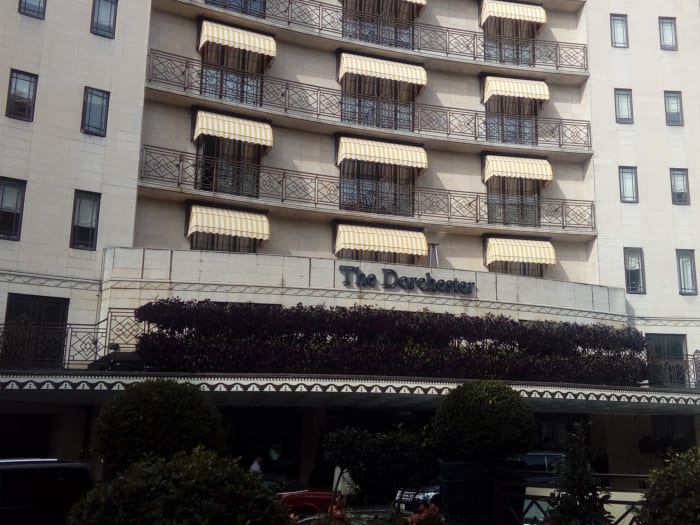
À Londres, certains hôtels ne se contentent pas d’occuper une adresse prestigieuse : ils participent à la mémoire de la ville. The Dorchester appartient à cette catégorie rare. Installé face à Hyde Park, dans la partie la plus posée de Mayfair, l’établissement s’est imposé au fil du XXe siècle comme l’une des grandes scènes de l’hospitalité londonienne. Son nom évoque immédiatement une certaine idée du séjour anglais : un luxe de tradition, un sens du protocole jamais figé, et cette capacité très britannique à faire cohabiter la solennité des lieux avec une forme de confort profondément vécu.
L’intérêt de The Dorchester tient précisément à cet équilibre. L’hôtel n’est pas un décor-musée. Il conserve les codes d’une grande maison classique — volumes généreux, art de recevoir, attention portée aux détails, circulation fluide entre espaces publics et salons plus intimes — tout en répondant aux attentes d’une clientèle contemporaine. Cette continuité est essentielle pour comprendre son statut. Ici, l’héritage ne se résume pas à une façade ou à un récit patrimonial ; il se lit dans la manière dont le service anticipe sans s’imposer, dans le maintien d’une atmosphère feutrée malgré le rythme de la capitale, et dans l’assurance tranquille d’une maison qui connaît sa place dans le paysage hôtelier londonien.
Mayfair a toujours entretenu un lien particulier avec les institutions du luxe. Quartier de résidences élégantes, d’adresses historiques, de clubs privés, de galeries et de maisons de mode, il offre à The Dorchester un contexte naturel. L’hôtel s’inscrit dans cette géographie de la distinction sans chercher l’ostentation. C’est ce qui fait son intérêt pour les voyageurs qui préfèrent les lieux installés aux adresses démonstratives. On y vient autant pour la qualité du séjour que pour la sensation d’entrer dans un Londres durable, plus profond que la simple carte postale.
L’appartenance à Dorchester Collection prolonge cette lecture. Le groupe est associé à une vision du grand hôtel où l’identité de chaque maison prime sur l’uniformité. Dans le cas de The Dorchester, cela se traduit par une fidélité à l’esprit du lieu : un classicisme assumé, une élégance lisible, et une culture du service qui privilégie la constance. Pour le voyageur, cette continuité est précieuse. Elle signifie que l’expérience ne dépend pas d’un effet de mode mais d’un savoir-faire consolidé.
Séjourner ici, c’est donc choisir plus qu’un cinq-étoiles londonien. C’est habiter, le temps de quelques nuits, une adresse qui a traversé les décennies sans perdre son langage propre. Dans une ville qui se réinvente sans cesse, The Dorchester rappelle qu’un grand hôtel peut rester contemporain précisément parce qu’il connaît son histoire. Cette profondeur donne au séjour une densité particulière : on ne s’installe pas seulement dans une chambre, on prend place dans une tradition d’accueil qui a façonné l’image internationale de Londres.
L’établissement
The Dorchester doit beaucoup à son emplacement, mais il ne s’y résume pas. Bien sûr, l’adresse compte : Mayfair, avec Hyde Park en vis-à-vis, les grandes artères commerçantes accessibles à pied, les institutions culturelles de Londres à courte distance, et ce sentiment très particulier d’être au centre sans subir l’agitation frontale du centre-ville. Pourtant, ce qui distingue réellement l’hôtel, c’est la manière dont il transforme cette situation privilégiée en expérience de séjour cohérente.
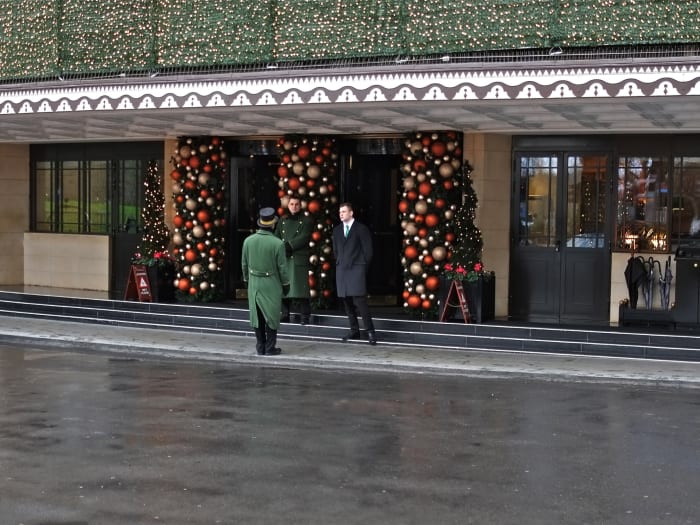
Dès l’arrivée, le rythme change. On passe de la circulation londonienne à une séquence plus calme, presque chorégraphiée, où l’accueil, les volumes et la lumière composent une transition nette entre la ville et l’intérieur. Cette qualité de seuil est importante dans un grand hôtel urbain. Elle conditionne la sensation de refuge. The Dorchester l’a bien compris : l’établissement n’oppose pas brutalement le dehors et le dedans, il les met en relation. Londres reste proche, visible, disponible ; mais elle cesse d’être envahissante.
Les espaces communs participent largement à cette impression. On y retrouve les codes d’une grande maison londonienne : salons où l’on peut s’installer pour un rendez-vous ou un moment de lecture, circulations pensées pour préserver l’intimité, décor classique qui privilégie l’équilibre à l’effet. Le luxe, ici, ne cherche pas à surprendre à tout prix. Il s’exprime dans la qualité perçue des matières, dans la tenue des espaces, dans l’attention portée à l’acoustique et au confort d’usage. Pour une clientèle internationale, cette lisibilité est un atout : on comprend immédiatement le registre de la maison.
L’hôtel convient particulièrement à ceux qui veulent vivre Londres à plusieurs vitesses. Les amateurs de shopping apprécient la proximité des boutiques de luxe ; les voyageurs d’affaires trouvent un point d’ancrage central et discret ; les couples y voient une base élégante pour un week-end culturel ; les familles, enfin, bénéficient d’un environnement où le service peut fluidifier la logistique du séjour. Cette polyvalence n’est pas contradictoire avec le caractère du lieu. Au contraire, elle témoigne d’une maturité hôtelière rare : savoir accueillir des usages différents sans diluer son identité.
Le rapport à la ville est l’un des grands plaisirs d’un séjour au Dorchester. On peut partir à pied vers les galeries, les musées, les parcs, les théâtres ou les rues commerçantes, puis revenir dans une atmosphère qui semble ralentir le temps. Cette alternance fait partie du luxe londonien le plus convaincant. Elle permet de composer un séjour sur mesure, entre rendez-vous, promenades, achats, visites et parenthèses de repos.
En définitive, The Dorchester n’est pas seulement bien situé : il est justement situé. Son implantation dans Mayfair, sa proximité avec les grandes adresses de la capitale et sa capacité à offrir une forme de retrait en plein Londres en font une base particulièrement pertinente pour découvrir la ville avec style, méthode et confort. C’est un hôtel qui comprend qu’une adresse prestigieuse n’a de valeur que si elle améliore concrètement la manière de vivre le voyage.
Chambres et suites
Dans un hôtel de cette catégorie, la chambre doit prolonger l’identité de la maison. À The Dorchester, cette logique est particulièrement lisible. L’univers des chambres et suites s’inscrit dans un registre classique et élégant. Il s’accompagne d’un calme précis, appréciable après une journée londonienne dense. Le voyageur y retrouve ce qu’il vient chercher à Mayfair : ordre, douceur et continuité.
Le charme d’antan ne relève pas d’une nostalgie décorative. Il tient plutôt à un langage d’hospitalité. Dans les chambres, cela se traduit par des proportions pensées pour le séjour, une attention portée au repos et un confort moderne intégré sans heurt. L’objectif n’est pas d’accumuler les signes extérieurs du luxe. Il s’agit plutôt de produire une sensation de justesse. On remarque la tenue générale de l’espace, la qualité de l’éclairage et cette impression de chambre réellement habitée.
Pour les voyageurs d’affaires, cette cohérence est précieuse. Une chambre réussie à Londres doit permettre de travailler, de se préparer, puis de retrouver une vraie qualité de sommeil. Pour les couples, l’enjeu est différent. La chambre doit devenir un refuge entre deux sorties, propice à un petit-déjeuner tranquille ou à un moment de retrait. Les séjours familiaux demandent, eux aussi, une logistique discrète et efficace.
Les suites jouent un rôle particulier. Elles n’offrent pas seulement plus d’espace. Elles proposent une autre manière d’habiter l’hôtel. Pour un long week-end, un voyage de représentation ou une occasion spéciale, elles évoquent quelque chose de l’appartement londonien, avec le service d’un grand établissement. C’est souvent là que le rapport entre tradition et confort contemporain apparaît le plus clairement : volumes plus généreux, usages mieux séparés, intimité renforcée.
L’un des plaisirs de The Dorchester tient à cette capacité à faire de la chambre un contrepoint à la ville. Londres est stimulante, rapide, parfois saturée. Revenir dans un espace pensé pour simplifier le séjour a une valeur réelle. Le service quotidien, la préparation de la chambre en soirée et la présence d’équipes rodées renforcent cette impression de fluidité. Rien n’est spectaculaire, mais tout compte.
Au fond, les chambres et suites de The Dorchester s’adressent à des voyageurs qui attendent d’un grand hôtel plus qu’un style. Ils recherchent une qualité d’usage, une atmosphère stable, un confort qui ne fatigue pas l’œil et un sentiment d’évidence. C’est cette discrétion maîtrisée, plus que tout effet décoratif, qui ancre durablement le souvenir du séjour.
La table
Dans une grande adresse londonienne, la restauration fait partie intégrante de l’identité du lieu. The Dorchester l’illustre parfaitement. Réserver sa table dès la confirmation du séjour en dit long. Les espaces de restauration attirent autant les hôtes que les Londoniens. Le repas peut devenir un temps fort du voyage.
Le premier intérêt d’une telle maison réside dans sa capacité à proposer plusieurs rythmes de table. Il y a le petit-déjeuner, moment décisif dans un hôtel urbain. Dans un cadre raffiné, il prend une dimension presque rituelle. On s’y installe pour organiser son programme, reprendre son souffle ou observer la discrète chorégraphie du service. Le déjeuner répond à d’autres usages, du rendez-vous professionnel à la pause entre deux visites. Le dîner concentre souvent l’attention. C’est là que l’hôtel affirme le plus clairement son style culinaire et son art de recevoir.
Ce qui distingue The Dorchester, c’est la constance d’une atmosphère classique et élégante. À table, cette idée est essentielle. On y retrouve une mise en scène soignée, un service attentif et une lecture claire des codes du grand restaurant d’hôtel. L’environnement se prête autant aux célébrations qu’aux repas plus discrets. Le luxe ne tient pas seulement à l’assiette. Il se joue dans la ponctualité du service, la qualité de l’accueil, la tenue de la salle, le niveau sonore et la précision des recommandations.
Pour le voyageur, l’intérêt est double. Dîner sur place évite de transformer chaque soirée en opération logistique dans une ville où distances, trafic et réservations compliquent vite les plans. Cela permet aussi de vivre l’hôtel au-delà de la chambre. On découvre alors une autre facette de la maison : sa sociabilité, son tempo, sa clientèle et son rapport à la scène londonienne. Dans les grandes institutions, les restaurants sont souvent des observatoires privilégiés du style local.
Les voyageurs qui apprécient les séjours bien composés ont intérêt à penser la gastronomie en amont. Réserver tôt, préciser ses attentes, signaler une occasion particulière ou des contraintes alimentaires : autant de détails utiles. Dans un hôtel de ce rang, l’anticipation améliore sensiblement la qualité du séjour.
La table de The Dorchester s’inscrit dans une tradition très londonienne du grand hôtel comme lieu de rendez-vous autant que d’hébergement. On y vient pour bien manger, bien recevoir, prolonger une journée de ville ou en ouvrir une autre. Plus qu’une simple commodité, la restauration participe ici à l’art de vivre de la maison.
Spa & bien-être
Même lorsqu’un brief ne détaille pas l’offre bien-être, il est utile de rappeler ce qu’un grand hôtel comme The Dorchester représente pour le voyageur contemporain : un lieu où l’on peut rééquilibrer le séjour. À Londres, les journées se remplissent vite. Entre rendez-vous, shopping, visites, déplacements et vie sociale, la fatigue s’accumule sans toujours se voir. C’est pourquoi la dimension bien-être, qu’elle prenne la forme d’un spa, de soins, d’espaces de relaxation ou simplement d’une culture du confort, compte autant dans l’appréciation globale de l’adresse.
Dans une maison à l’atmosphère classique et élégante, le bien-être ne relève généralement pas de la démonstration. Il s’inscrit dans une continuité de service. Le calme des circulations, la qualité du sommeil, la préparation de la chambre en soirée, la disponibilité des équipes, la possibilité d’organiser un moment de soin ou de détente : tout cela participe d’une même idée, celle d’un luxe qui protège le temps du client. Cette approche convient particulièrement à une clientèle internationale qui n’a pas toujours besoin d’un programme spectaculaire, mais d’un cadre fiable pour récupérer entre deux séquences de voyage.
Le véritable raffinement, dans un hôtel urbain de ce niveau, consiste souvent à offrir des respirations. Un soin réservé à la bonne heure peut transformer une arrivée après un long trajet. Un moment de détente en milieu d’après-midi permet de repartir vers un dîner ou un spectacle avec une énergie différente. Une routine simple — repos, service de couverture, réveil organisé, petit-déjeuner bien réglé — peut suffire à rendre un séjour plus harmonieux. Le bien-être n’est donc pas seulement une affaire d’équipements ; c’est aussi une question de rythme.
Pour les couples, cette dimension ajoute une qualité de séjour particulière. Dans une ville aussi stimulante que Londres, il est précieux de pouvoir ménager des parenthèses à deux, sans quitter l’hôtel. Pour les voyageurs d’affaires, le bénéfice est plus fonctionnel mais tout aussi réel : maintenir un niveau de confort physique et mental qui permette d’enchaîner réunions, événements et déplacements sans usure excessive. Quant aux séjours plus longs, ils rendent encore plus sensible l’importance d’un environnement capable de soutenir la récupération.
Ce que l’on attend d’une maison comme The Dorchester, c’est précisément cette intelligence du tempo. Le bien-être y prend idéalement la forme d’une attention discrète mais constante, capable de s’adapter aux besoins du moment. Il ne s’agit pas d’imposer un parcours, mais de rendre possible une expérience plus équilibrée de la ville.
En ce sens, le luxe moderne rejoint ici une intuition très classique : bien voyager suppose aussi de savoir ralentir. The Dorchester, par son atmosphère, son service et sa capacité à créer une distance apaisante avec l’intensité londonienne, répond à cette attente. Même sans spectaculaire, le bien-être devient une qualité structurelle du séjour — une manière de faire en sorte que Londres reste stimulante sans jamais devenir épuisante.
Conciergerie & services
Le vrai test d’un grand hôtel ne se joue pas seulement dans son décor ou son adresse, mais dans la qualité de ses services au quotidien. Sur ce point, The Dorchester dispose des fondamentaux attendus d’une grande maison internationale : conciergerie 24h/24, réception 24h/24, entretien quotidien, service de couverture, consigne à bagages, blanchisserie, service de réveil, personnel multilingue. Pris séparément, ces éléments peuvent sembler standards dans le segment cinq étoiles. Pris ensemble, et surtout bien exécutés, ils définissent pourtant la différence entre un séjour simplement confortable et une expérience réellement fluide.
La conciergerie occupe ici une place centrale. Dans une ville comme Londres, où l’offre culturelle, gastronomique et commerciale est immense mais souvent saturée, l’intermédiation humaine garde une valeur considérable. Obtenir une table, organiser un transfert, orienter une journée selon les priorités du voyageur, recommander un itinéraire à pied, ajuster un programme en fonction de la météo ou du trafic : autant de gestes qui, dans une grande maison, doivent se faire avec précision et sans emphase. Le luxe du service consiste moins à promettre l’impossible qu’à rendre le possible remarquablement simple.
La réception ouverte en continu apporte une sécurité très concrète, particulièrement appréciable dans une capitale internationale où les horaires d’arrivée et de départ sont souvent irréguliers. Pour les voyageurs long-courriers, les professionnels en déplacement ou les familles, cette permanence réduit la friction du séjour. La consigne à bagages, elle aussi, peut sembler anodine ; elle devient décisive lorsqu’il s’agit de profiter pleinement d’une dernière journée en ville sans contrainte matérielle.
L’entretien quotidien et le service de couverture relèvent d’un autre registre, plus silencieux mais tout aussi important. Ils participent à cette sensation d’ordre retrouvée qui fait le prix d’un grand hôtel urbain. Revenir en chambre et constater que tout a été remis en place, que le rythme du soir a été préparé, que l’espace accompagne le repos plutôt que de le contrarier : cette qualité de soin est l’une des signatures les plus tangibles de l’hospitalité haut de gamme.
La blanchisserie et le service de réveil répondent, eux, à des besoins très concrets, souvent sous-estimés. Un vêtement prêt à temps pour un dîner ou une réunion, un réveil calibré avec exactitude avant un départ matinal : ce sont des détails, mais ce sont précisément les détails qui déterminent la sérénité d’un séjour. Le personnel multilingue, enfin, garantit une relation plus naturelle avec une clientèle internationale diverse, ce qui renforce l’impression de maîtrise et de confort.
Au Dorchester, ces services prennent tout leur sens parce qu’ils s’inscrivent dans une atmosphère de retenue. Rien ne doit paraître mécanique ; tout doit sembler évident. C’est cette évidence, fruit d’une organisation solide et d’un vrai savoir-faire, qui distingue les grandes maisons. Le voyageur n’a pas besoin de penser à la logistique : l’hôtel l’absorbe, la simplifie et lui rend du temps. Dans une ville aussi dense que Londres, ce gain de fluidité est déjà une forme de luxe.
L’art de vivre londonien depuis Mayfair
Séjourner à The Dorchester, c’est aussi choisir une certaine manière de vivre Londres. Toutes les villes ont leurs grands hôtels, mais peu offrent un dialogue aussi direct entre l’adresse et le style de vie local. À Mayfair, ce dialogue est particulièrement riche. Le quartier concentre des dimensions parfois contradictoires de la capitale : l’élégance résidentielle, l’intensité commerciale, la proximité des institutions culturelles, la tradition des clubs et des salons, le voisinage des parcs et la circulation continue d’une clientèle internationale. Depuis The Dorchester, ces différentes strates deviennent immédiatement accessibles.
Pour le visiteur, l’un des grands privilèges est la marche. Londres ne se livre pas toujours d’un seul regard ; elle se comprend souvent par séquences. Partir de l’hôtel, longer Hyde Park, rejoindre les rues commerçantes, bifurquer vers une galerie, s’arrêter pour un déjeuner, reprendre vers un musée ou un théâtre : cette progression compose une expérience très différente de celle d’un séjour uniquement organisé autour des transports. The Dorchester permet précisément cette lecture à pied d’un Londres sophistiqué, où chaque détour peut conduire à une vitrine remarquable, une façade géorgienne, une institution culturelle ou un simple détail urbain révélateur.
Mayfair a aussi l’avantage d’offrir une version moins tapageuse du luxe. Ici, l’élégance se lit dans la qualité des adresses, la discrétion des devantures, la permanence des usages. Les voyageurs sensibles à cette dimension apprécient de pouvoir alterner entre les grandes maisons de mode, les lieux de rendez-vous feutrés et les espaces verts voisins. Hyde Park, tout proche, joue d’ailleurs un rôle essentiel dans l’équilibre du séjour. Il introduit une respiration immédiate, une possibilité de promenade matinale ou de pause en fin de journée qui change profondément la perception de la ville.
La proximité des attractions culturelles de Londres constitue un autre atout majeur. Sans avoir besoin de dresser une liste exhaustive, on comprend qu’un séjour au Dorchester peut facilement intégrer expositions, concerts, théâtres, collections et institutions emblématiques. Cette densité culturelle renforce l’intérêt de l’adresse pour les couples en escapade comme pour les voyageurs réguliers qui souhaitent redécouvrir la ville sous un angle plus choisi.
L’art de vivre londonien, depuis The Dorchester, ne consiste donc pas à cocher des incontournables. Il s’agit plutôt de composer un séjour avec justesse : un matin de parc, une fin de matinée de shopping, un déjeuner bien placé, une visite l’après-midi, un retour à l’hôtel pour se préparer, puis un dîner ou une soirée culturelle. Cette souplesse, rendue possible par l’emplacement et la qualité de service, donne au voyage une allure très maîtrisée.
En cela, The Dorchester s’adresse à ceux qui veulent un Londres à la fois classique et vivant. Non pas une ville figée dans ses symboles, mais une capitale que l’on habite avec aisance, en profitant de ses contrastes sans subir ses complications. Depuis Mayfair, l’expérience gagne en cohérence : on ne traverse pas seulement Londres, on apprend à en adopter le tempo.
Réserver via MyConciergeHotel
Réserver The Dorchester via MyConciergeHotel, c’est aborder une grande adresse londonienne avec méthode. Dans un hôtel de cette catégorie, la différence ne tient pas seulement au choix d’une chambre ou d’une suite. Elle se joue aussi dans la préparation du séjour. Plus l’établissement est demandé, plus l’anticipation devient déterminante. C’est particulièrement vrai pendant les périodes de forte affluence, les week-ends culturels, les grands événements londoniens ou les voyages décidés à la dernière minute.
Le premier avantage d’un accompagnement de conciergerie tient à la qualification du besoin. Tous les séjours à The Dorchester ne se ressemblent pas. Un couple venu pour une escapade romantique n’attend pas la même chose qu’un voyageur d’affaires. Ni qu’une famille en city break ou qu’un habitué de Londres souhaitant surtout profiter de Mayfair et de ses adresses. Bien formuler le projet de séjour permet de mieux orienter le choix de catégorie, de rythme et de services associés. La bonne réservation n’est pas forcément la plus spectaculaire. C’est celle qui correspond exactement à l’usage prévu.
Le deuxième point essentiel concerne la restauration. Il est recommandé de réserver la table principale dès la confirmation. C’est un conseil à prendre au sérieux. Dans les grandes maisons, les restaurants peuvent afficher complet bien avant la date du séjour. C’est souvent le cas pour les créneaux les plus recherchés. Intégrer cette réservation au moment de la planification évite les arbitrages de dernière minute. L’expérience gagne ainsi en cohérence.
MyConciergeHotel permet aussi de penser le séjour dans son ensemble. Heure d’arrivée, besoins particuliers, gestion des bagages, demandes de service, rythme des journées, éventuels rendez-vous en ville. Tous ces éléments gagnent à être clarifiés en amont. Dans un hôtel comme The Dorchester, où la qualité de service repose aussi sur l’anticipation, une préparation précise améliore l’expérience sur place. L’objectif n’est pas de surprogrammer le voyage. Il s’agit plutôt d’en sécuriser les points clés, pour laisser ensuite plus de place à la spontanéité.
Pour les voyageurs exigeants, cette approche a une vertu simple. Elle réduit l’incertitude. Londres est une ville généreuse, mais dense. Les réservations, les déplacements et les horaires peuvent rapidement compliquer un séjour qui devait être fluide. En travaillant en amont les éléments structurants, on transforme l’adresse en base de vie, plutôt qu’en simple point de chute.
Choisir The Dorchester via MyConciergeHotel, c’est donc privilégier une expérience bien préparée, fidèle au standing de la maison et au style du voyageur. Dans une adresse aussi emblématique, le luxe commence souvent avant l’arrivée. Dans la qualité des conseils, dans la justesse des recommandations et dans cette capacité à orchestrer le séjour sans l’alourdir. C’est là que la réservation accompagnée prend tout son sens.