Histoire & héritage
Sur la côte de Kohala, le Fairmont Orchid s’inscrit dans une idée très hawaïenne du séjour de bord de mer. Un luxe qui cherche à s’accorder au paysage. Les champs de lave, les jardins tropicaux, les anses protégées et l’immensité du Pacifique composent ici un décor singulier. À Hawaii, l’héritage tient aussi à la géographie, à la mémoire des terres et à la relation entre l’océan et les reliefs.
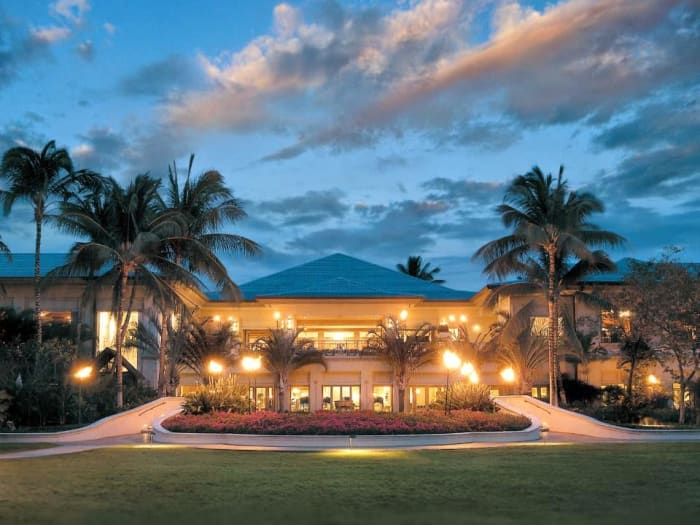
Le Fairmont Orchid appartient à cette génération d’adresses haut de gamme qui ont accompagné l’essor de la côte de Kohala. Le cadre, lui, est bien plus ancien que l’hôtellerie. Une côte façonnée par l’activité volcanique, adoucie par des jardins et des lagons, ouverte sur des eaux réputées pour leur clarté. Cette tension entre puissance minérale et douceur balnéaire donne sa personnalité à l’établissement. On y retrouve une élégance tropicale propre aux grands hôtels insulaires. Espaces généreux, circulation fluide entre intérieur et extérieur, omniprésence du végétal, attention portée à la lumière, aux brises marines et aux vues.
L’héritage de Fairmont apporte une autre lecture. L’enseigne est associée à un art de recevoir, à des services structurés et à une hospitalité constante. À Kohala, cette grammaire du grand hôtel prend une tonalité plus décontractée. Le raffinement se manifeste dans la qualité du séjour, le soin apporté aux détails et la capacité à accueillir des usages différents.
Ce qui marque surtout, c’est la manière dont l’établissement prolonge le paysage. Le design inspiré par la nature hawaïenne dépasse le simple vocabulaire décoratif. Il fait entrer les textures, les tonalités et l’atmosphère locale dans l’expérience du séjour. Le visiteur ne s’installe pas dans un univers coupé du dehors. Il séjourne dans un lieu qui rappelle constamment où il se trouve, entre montagnes et océan.
Parler d’héritage, ici, revient à parler d’un équilibre. Entre resort international et identité locale. Entre confort contemporain et sensation d’espace naturel. Entre service de haut niveau et rythme plus apaisé des îles. Le Fairmont Orchid se distingue par sa capacité à incarner une certaine idée d’Hawaii. Une adresse qui assume les codes du 5 étoiles tout en laissant la côte de Kohala raconter l’essentiel.
L’établissement
Le premier luxe du Fairmont Orchid est son implantation. À Kohala, sur la grande île d’Hawaii, l’hôtel bénéficie d’un environnement qui résume l’attrait de l’archipel. D’un côté, les reliefs et la présence lointaine des montagnes. De l’autre, l’ouverture sur l’océan. Cette situation entre terre volcanique et horizon marin donne au séjour une profondeur particulière. On ne vient pas seulement ici pour une chambre avec vue, mais pour habiter, quelques jours, un paysage complet.
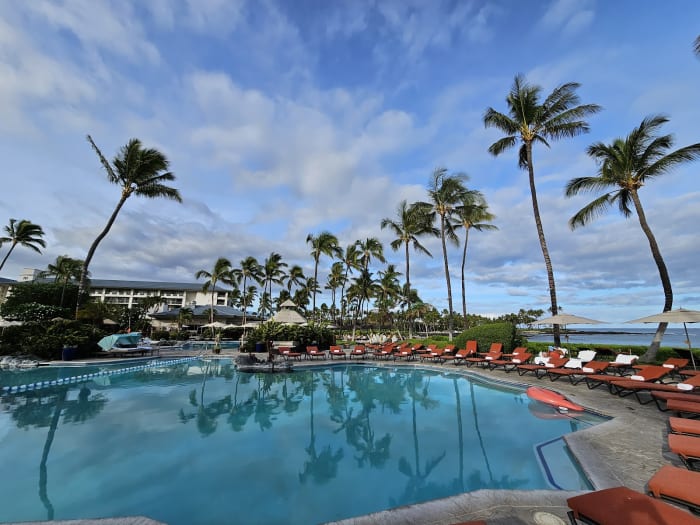
L’établissement se déploie comme un resort tropical pensé pour la respiration. Les jardins luxuriants jouent un rôle central dans cette impression. Ils ne servent pas seulement d’écrin décoratif. Ils organisent le rythme du lieu, filtrent les perspectives, apportent de l’ombre, de la fraîcheur et une sensation d’isolement. Entre les allées plantées, les espaces d’eau et les zones de détente, la circulation se fait avec naturel. Le regard passe sans cesse du végétal au minéral, puis au bleu de l’océan.
Le design inspiré par la nature hawaïenne participe à cette cohérence. Dans un tel contexte, la réussite tient à une lecture juste du site. Les matières, les volumes et les tonalités prolongent l’extérieur. Il en résulte une forme d’apaisement visuel. Rien de trop démonstratif, mais une esthétique qui laisse la lumière, les textures et les vues faire leur travail. Cette approche convient particulièrement à Hawaii, où la beauté du cadre impose une certaine retenue.
L’un des atouts majeurs de l’hôtel reste l’accès à la plage et, plus largement, à un littoral propice aux activités nautiques. Sports nautiques et excursions au départ de l’établissement inscrivent le séjour dans une logique d’expérience. On peut choisir de vivre l’adresse comme un refuge balnéaire, entre piscine, jardins et moments de repos. Ou comme un point de départ vers la mer et les découvertes de la côte. Cette souplesse contribue beaucoup à son attrait.
L’atmosphère mérite aussi d’être soulignée. Le Fairmont Orchid convient aux couples comme aux familles. Cette double vocation se ressent dans la manière dont le resort est pensé. Les grands espaces permettent à chacun de trouver son tempo. Les voyageurs à deux y cherchent souvent le calme, les promenades en fin de journée, les vues sur l’océan et les parenthèses de bien-être. Les familles apprécient la facilité d’un séjour où les activités, les piscines et l’accès au bord de mer structurent les journées sans effort. Cet équilibre suppose une vraie maîtrise des espaces communs et une organisation discrète.
En pratique, l’établissement convient aussi aux voyageurs d’affaires qui souhaitent prolonger un déplacement professionnel dans un cadre plus ressourçant. La présence d’installations adaptées renforce cette polyvalence. Mais le lieu conserve son identité première. Celle d’un grand hôtel de villégiature où la nature n’est jamais un simple décor. À Kohala, le Fairmont Orchid offre une expérience de resort complète, lisible et sereine, portée par un site qui suffit presque à définir l’adresse.
Chambres et suites
Dans un resort de cette catégorie, la chambre ne doit pas seulement offrir du confort. Elle doit prolonger le sentiment de destination. Au Fairmont Orchid, cette logique paraît essentielle. Le design inspiré par la nature environnante laisse attendre des espaces en écho à Hawaii, plutôt qu’un style déconnecté du lieu.
Dans les chambres et suites, cela se traduit par une palette apaisée, des matières adaptées au climat tropical, et un espace tourné vers la lumière. L’ensemble privilégie la fluidité et le repos.
Dans une adresse balnéaire de Kohala, la chambre doit servir à la fois de refuge et de point d’observation. On y revient après une matinée au bord de l’eau, une excursion, une séance de spa ou quelques heures dans les jardins. Elle doit accueillir ce retour du dehors. Elle apporte fraîcheur, silence et confort immédiat.
Dans les meilleurs resorts hawaïens, cette sensation passe par des volumes lisibles, une literie généreuse et des salles de bains pensées pour ralentir le rythme. La relation avec l’extérieur reste constante, par un balcon, une terrasse ou une vue bien cadrée.
Les suites répondent à des usages variés. Certaines conviennent aux séjours prolongés. D’autres aux voyages en famille. D’autres encore à ceux qui recherchent plus d’intimité ou d’espace de réception. L’essentiel reste la qualité du séjour au quotidien.
Un grand hôtel de villégiature réussi sait rendre les gestes simples particulièrement agréables. Ouvrir les rideaux sur la clarté du matin. Prendre son café dans un espace calme. Retrouver une chambre remise en ordre. Bénéficier du service de couverture avant le dîner.
Le service de chambre quotidien, le turndown service, la blanchisserie, la consigne à bagages, la réception et la conciergerie 24h/24 renforcent ce confort sans friction. La chambre ne se limite plus à un espace privé. Elle devient le centre d’une expérience accompagnée, où les besoins pratiques sont absorbés avec efficacité.
À Hawaii, le rapport au temps est différent. On passe facilement de la chambre aux espaces extérieurs, puis de nouveau à l’intimité du repos. Les hébergements doivent accompagner cette alternance entre activité et relâchement. Le matin, la chambre ouvre sur la promesse du littoral. L’après-midi, elle offre une pause tempérée. Le soir, elle devient plus feutrée, propice au calme.
Pour les couples, l’intérêt réside souvent dans cette sensation de retraite simple et élégante, sans surcharge. Pour les familles, la valeur tient à la facilité d’usage, à l’espace et à la stabilité du confort après des journées actives. Le Fairmont Orchid s’inscrit ainsi dans une vision du luxe balnéaire où la chambre n’est pas un théâtre, mais un cadre cohérent avec le paysage et le rythme d’un séjour sur la côte de Kohala.
La table
À Hawaii, la gastronomie d’un grand resort ne se pense pas comme un simple service annexe. Elle structure la journée et donne une profondeur supplémentaire au séjour. Au Fairmont Orchid, l’expérience de table se lit à travers le cadre et le rythme du lieu. Sur la côte de Kohala, les repas prennent une dimension paysagère. Petit-déjeuner baigné de clarté, déjeuner léger au bord de l’eau, dîner plus posé lorsque la chaleur retombe.
Dans un établissement de ce niveau, la réussite de la table tient à sa capacité à conjuguer plusieurs registres. Elle répond à la diversité des voyageurs et à la durée des séjours. Elle accompagne aussi bien les couples que les familles, sans perdre en cohérence. Le Fairmont Orchid se prête à cette pluralité. On y passe d’un début de journée face aux jardins ou à l’océan à une ambiance plus feutrée le soir.
Le contexte hawaïen invite à une lecture particulière des saveurs. Une telle adresse appelle une attention portée aux produits du Pacifique, aux fruits tropicaux et à la fraîcheur des préparations. Dans les meilleurs hôtels insulaires, la cuisine gagne à rester précise et adaptée au climat. Le luxe tient alors à la justesse. Un service attentif, un bon rythme, une belle cuisson, une table bien placée.
Les voyageurs en couple accordent souvent beaucoup d’importance au dîner. L’expérience recherchée n’est pas seulement culinaire. Elle est aussi atmosphérique. Un repas réussi à Kohala repose sur la qualité du cadre et sur la transition entre la fin du jour et la soirée. Les familles apprécient, elles, une offre capable d’absorber des besoins différents au fil de la journée. Cette double exigence correspond bien à l’identité générale de l’hôtel.
La table joue aussi un rôle discret dans la sensation de bien-être. Manger au Fairmont Orchid, c’est rester dans le même récit de séjour. Celui d’un lieu ouvert, tropical et apaisé. On passe sans heurt de la chambre aux jardins, de la piscine à la plage, puis à la terrasse ou à la salle de restaurant. La restauration devient une extension naturelle de l’expérience hôtelière.
Pour le voyageur attentif, c’est souvent là que se mesure la maturité d’une adresse. Une grande table de resort n’a pas besoin d’effets spectaculaires. Elle doit savoir installer un rythme, soutenir le plaisir du séjour et donner envie de s’attarder. Au Fairmont Orchid, l’environnement donne à chaque repas une vraie dimension de destination.
Spa & bien-être
Le bien-être fait partie des éléments qui distinguent le Fairmont Orchid. Dans une destination comme Kohala, le spa prolonge la logique du lieu.
Le voyageur vient chercher un climat, un horizon et une sensation d’espace. Il y trouve aussi une forme de relâchement physique et mental. Les jardins luxuriants, les piscines dédiées à la détente et l’accès au littoral composent déjà une première expérience de bien-être. Le spa en est l’expression la plus structurée.
Dans un grand hôtel balnéaire, l’essentiel n’est pas seulement la liste des soins. C’est la manière dont l’ensemble du resort favorise la décompression. Les espaces communs sont pensés pour la détente. Ils prolongent l’atmosphère apaisée portée par la végétation, la lumière et la proximité de l’océan.
À Hawaii, le bien-être prend souvent une tonalité particulière. Il tient moins à la performance qu’à l’accord avec le rythme naturel du lieu. Les soins du corps, les massages et les moments de calme au bord d’une piscine y trouvent une évidence naturelle.
Les piscines, parmi les points forts de l’adresse, participent pleinement à cette lecture. Dans un resort tropical, elles deviennent des espaces de respiration, de contemplation et de transition. Leur présence, associée aux jardins, dessine une géographie du relâchement où chacun choisit son rythme.
Le bien-être au Fairmont Orchid intéresse autant les couples que les familles. Les premiers y cherchent des parenthèses à deux et des moments de silence. Les secondes apprécient l’alternance entre activités et repos, dans un environnement fluide.
Pour les voyageurs d’affaires aussi, cet aspect compte. Lorsqu’un séjour professionnel se prolonge, la qualité des espaces de détente devient décisive. Le Fairmont Orchid offre un cadre propice au décrochement.
Ici, le bien-être ne se résume pas à une adresse de spa. Il tient à un ensemble plus large. La côte de Kohala, l’ouverture sur l’océan, les jardins, les piscines et la qualité des espaces communs donnent au séjour sa dimension réparatrice.
Conciergerie & services
Dans un resort 5 étoiles, la qualité du séjour se mesure souvent à ce qui ne se voit presque pas. Le Fairmont Orchid appartient à cette catégorie d’adresses. Le service y rend l’expérience plus fluide à chaque étape. Conciergerie 24h/24, réception 24h/24, service de chambre quotidien, service de couverture, consigne à bagages, blanchisserie, service de réveil et personnel multilingue composent une infrastructure de confort cohérente.
La conciergerie joue ici un rôle important. À Kohala, le séjour peut alterner repos, activités nautiques et excursions. L’accompagnement logistique devient alors précieux. Réserver une activité, organiser les horaires, obtenir des recommandations adaptées, coordonner un départ matinal ou une arrivée tardive change la perception du séjour. En haute saison, mieux vaut réserver les activités en amont. Une bonne conciergerie aide à hiérarchiser, simplifier et anticiper.
La réception disponible en continu apporte une autre forme de sérénité. Dans une destination insulaire, les horaires de transport et les décalages peuvent peser sur l’organisation. Savoir que l’accueil reste accessible à toute heure est un vrai confort. Cela vaut pour les voyageurs internationaux comme pour ceux qui combinent plusieurs étapes dans l’archipel. Le service de réveil garde aussi une utilité concrète pour les départs matinaux, les excursions ou les contraintes professionnelles.
Le housekeeping quotidien et le service de couverture participent à la qualité sensible du séjour. Dans un resort tourné vers l’extérieur, on entre et sort souvent de la chambre au fil de la journée. Retrouver un espace remis en ordre compte alors davantage. La blanchisserie complète utilement l’ensemble, surtout pour les séjours prolongés, les voyages en famille ou les itinéraires plus longs à travers Hawaii.
La consigne à bagages est également précieuse. Elle permet de profiter des dernières heures sur place sans être encombré. Elle permet aussi de commencer à vivre le resort avant que la chambre ne soit prête. Dans une adresse où les jardins, les piscines et l’accès au littoral font partie de l’expérience, cette souplesse compte.
Enfin, la présence d’un personnel multilingue renforce l’accessibilité de l’hôtel pour une clientèle internationale. Le luxe contemporain passe aussi par cette capacité à accueillir avec clarté et discrétion.
Au Fairmont Orchid, ces services répondent à une définition mature de l’hospitalité. Ils accompagnent les usages des couples, des familles et des voyageurs d’affaires. Dans un lieu aussi lié au paysage et au relâchement, le meilleur service est souvent celui qui allège l’organisation.
L’art de vivre à Kohala
Séjourner au Fairmont Orchid, c’est découvrir une certaine manière d’habiter Kohala. La côte propose un rapport particulier au temps, à la lumière et au mouvement.
Ici, les journées s’organisent autour de l’océan, de la chaleur sèche, des jardins et des reliefs au loin. On ralentit sans renoncer à explorer. La période de mai à octobre est souvent perçue comme particulièrement agréable.
À Kohala, on observe les nuances du paysage. La texture de la lave ancienne, la densité du végétal et les couleurs changent au fil de la journée. Le vent et la mer restent toujours présents.
Le séjour gagne en profondeur quand on accepte ce rythme plus lent. On n’essaie pas de remplir chaque heure. On alterne entre activité et contemplation. Le Fairmont Orchid trouve là sa justesse, avec ses sports nautiques, ses excursions et ses espaces de détente.
Pour certains, Kohala est d’abord une destination balnéaire. Ils viennent nager, profiter de la plage, s’installer près de la piscine et lire à l’ombre des palmiers. Pour d’autres, la côte ouvre sur une découverte plus large de l’île d’Hawaii.
Dans les deux cas, le retour à l’hôtel prend une valeur particulière. Celle d’un refuge stable, élégant et apaisant après l’intensité du dehors.
L’atmosphère convient aux couples comme aux familles. Les couples y trouvent un cadre propice aux séjours à deux, sans théâtralisation excessive. Les familles profitent d’un environnement lisible, avec un accès simple aux activités et aux espaces extérieurs.
Cette coexistence de rythmes différents fait partie de l’art de vivre local. Kohala attire aussi les voyageurs qui veulent combiner confort hôtelier et immersion dans un environnement naturel fort.
Le luxe, ici, ne relève pas d’une scène sociale. Il tient à la possibilité d’évoluer dans un cadre spectaculaire sans renoncer à la qualité du service. On vit dehors, avec un point d’ancrage solide.
Au fond, l’art de vivre à Kohala repose sur une idée simple. Laisser le paysage conduire une partie du séjour. Entre montagnes et océan, avec ses jardins, ses piscines et son accès au littoral, le Fairmont Orchid en propose une expression sereine.
Réserver via MyConciergeHotel
Réserver le Fairmont Orchid via MyConciergeHotel, c’est aborder cette adresse de Kohala avec une logique de séjour plutôt que de simple transaction. Dans un resort où l’expérience dépend autant du cadre que du bon tempo, l’accompagnement en amont prend une vraie valeur. Certaines activités gagnent à être réservées à l’avance, surtout en haute saison.
L’intérêt d’une réservation accompagnée tient d’abord à la mise en perspective. Tous les voyageurs ne viennent pas au Fairmont Orchid pour les mêmes raisons. Certains recherchent une parenthèse balnéaire, avec un accès facile à la plage, des journées rythmées par les jardins, les piscines et le bien-être. D’autres souhaitent profiter de Kohala comme base confortable pour explorer davantage l’île d’Hawaii. D’autres encore combinent temps de travail et temps de repos. Une conciergerie attentive permet d’orienter le séjour selon ces priorités, en aidant à penser la chambre comme l’ensemble de l’expérience.
Réserver avec discernement, c’est aussi tenir compte de la dynamique propre à la destination. La saison sèche, de mai à octobre, est particulièrement agréable, mais aussi plus demandée. Anticiper devient alors utile pour sécuriser les activités les plus recherchées, organiser les temps forts du séjour et éviter que la logistique ne prenne le pas sur le plaisir. Dans une destination insulaire, cette préparation a encore plus d’importance. Les journées ont une valeur particulière, et l’on souhaite en profiter pleinement dès l’arrivée.
MyConciergeHotel peut également apporter une lecture plus fine du positionnement de l’établissement. Le Fairmont Orchid convient aux couples comme aux familles. Le choix des dates, du rythme de séjour, des moments à privilégier pour les activités ou pour les temps de détente peut être affiné en fonction du voyage envisagé. L’objectif n’est pas de complexifier la réservation, mais de la rendre plus intelligente.
Pour les voyageurs exigeants, la vraie différence se joue souvent avant le départ. Savoir à quoi s’attendre, comprendre l’esprit du lieu, anticiper les besoins pratiques et éviter les réservations dispersées participent à la qualité perçue du voyage. Dans le cas du Fairmont Orchid, cette préparation est d’autant plus pertinente que l’hôtel repose sur une promesse d’équilibre. Il faut préserver cet équilibre dans la manière même de construire le séjour.
Réserver via MyConciergeHotel, c’est choisir une approche plus éditoriale, plus contextualisée et plus sereine. L’idée n’est pas seulement d’accéder à une adresse sur la côte de Kohala, mais de l’aborder avec les bons repères. Comprendre ce que le lieu offre, organiser les expériences qui comptent, puis laisser l’hôtel, le paysage et le rythme hawaïen faire le reste.