Critères de sélection
Pour établir ce classement des meilleurs hôtels urbains à Paris, nous avons pris en compte une série de critères rigoureux qui reflètent l'excellence et le raffinement de l'hospitalité parisienne. L'emplacement, en particulier, joue un rôle crucial dans notre sélection. Paris est une ville où chaque quartier possède son propre caractère, et la proximité des attractions majeures, des transports en commun et des zones commerçantes est essentielle pour garantir une expérience agréable aux voyageurs. Ainsi, les hôtels situés dans des arrondissements emblématiques, comme le Marais ou Saint-Germain-des-Prés, sont favorisés pour leur accessibilité et leur ambiance unique.
Les services offerts par les établissements sont également un critère déterminant. Dans un contexte urbain où le rythme de vie peut être effréné, la qualité des services tels que la conciergerie, le room service, et les installations de loisirs (comme les spas ou les salles de sport) est primordiale. Les hôtels qui proposent des services personnalisés, adaptés aux besoins spécifiques de chaque client, se démarquent particulièrement. Cela inclut également l’attention portée aux détails dans les espaces communs, les chambres et les restaurants, qui contribuent à créer une atmosphère accueillante et luxueuse.
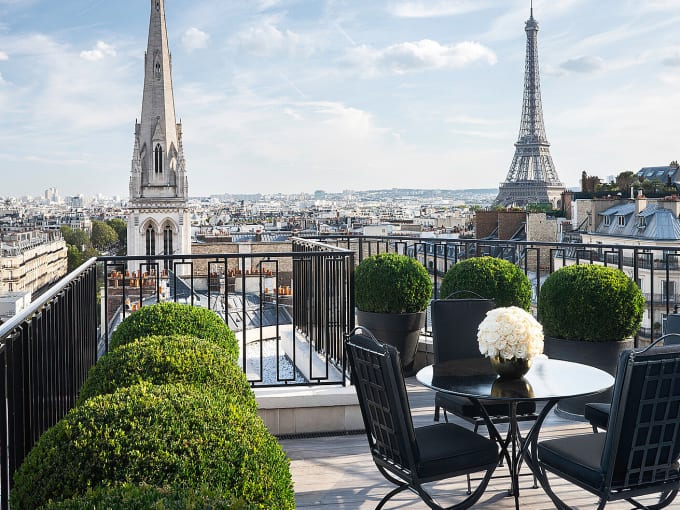
Le confort des chambres est un autre aspect fondamental de notre évaluation. Les hôtels urbains de Paris doivent offrir des chambres spacieuses, bien aménagées et dotées d’équipements modernes. L’insonorisation, la qualité de la literie et la décoration intérieure sont des éléments qui influencent directement le bien-être des clients. Une attention particulière est accordée à l’harmonie entre modernité et tradition, deux éléments qui caractérisent souvent les établissements parisiens. Les chambres doivent également offrir des vues imprenables sur la ville, comme la Tour Eiffel ou le Sacré-Cœur, ajoutant une dimension supplémentaire à l’expérience des visiteurs.
Enfin, les avis des clients sont un indicateur clé de la qualité d’un hôtel. Les retours d’expérience des voyageurs permettent d’évaluer non seulement la satisfaction générale, mais aussi les points forts et les faiblesses de chaque établissement. Les hôtels qui maintiennent une réputation solide sur des plateformes de notation reconnues sont privilégiés dans notre classement. Une attention particulière est portée à la manière dont les hôtels réagissent aux commentaires des clients, car une bonne gestion des retours est souvent le signe d’un service client exceptionnel.
En somme, ce classement des meilleurs hôtels urbains à Paris repose sur une analyse approfondie de l’emplacement, des services, du confort et des avis des clients. Ces critères, combinés à l’histoire riche et à la culture unique de la ville, permettent de mettre en avant des établissements qui incarnent le luxe et l’art de vivre à la française, tout en offrant une expérience mémorable aux visiteurs de la capitale.
Histoire des hôtels parisiens
L'histoire des hôtels parisiens est un reflet fascinant de l'évolution de l'hospitalité à travers les siècles. Paris, en tant que capitale culturelle et artistique, a vu l'émergence de nombreux établissements emblématiques qui ont joué un rôle crucial dans l'accueil des voyageurs, des aristocrates aux artistes, en passant par les hommes d'affaires. Depuis le Moyen Âge, où les auberges accueillent les pèlerins et les marchands, jusqu'à l'âge d'or des grands hôtels au XIXe siècle, chaque époque a laissé son empreinte sur l'architecture et les services offerts par ces lieux d'hébergement.
Au cours du XVIIIe siècle, l'essor des voyages en Europe a conduit à la création d'hôtels de luxe, souvent situés à proximité des sites historiques et des institutions culturelles. Ces établissements ont commencé à proposer des services de plus en plus raffinés, tels que des chambres avec salle de bain, des restaurants de haute qualité et des services de conciergerie, qui sont devenus des normes dans l'hôtellerie de luxe. Par exemple, l'ouverture de l'Hôtel Ritz en 1898 a marqué une nouvelle ère de sophistication, avec son service impeccable et son ambiance élégante, attirant une clientèle prestigieuse.
Le XXe siècle a vu la transformation de l'hôtellerie parisienne avec l'arrivée des chaînes internationales, tout en préservant l'authenticité et le charme des établissements traditionnels. Les hôtels de la capitale ont su s'adapter aux nouvelles tendances tout en mettant en avant leur patrimoine. Des établissements comme Le Meurice, qui a ouvert ses portes en 1835, continuent d'incarner l'esprit du luxe à la française, alliant tradition et modernité. Leur histoire est marquée par des événements mémorables et des personnalités influentes qui ont séjourné dans leurs murs, faisant d'eux des témoins de l'histoire parisienne.
Aujourd'hui, les hôtels parisiens se distinguent non seulement par leur luxe, mais aussi par leur engagement envers la durabilité et l'innovation. De nombreux établissements intègrent des pratiques écologiques dans leur fonctionnement tout en préservant leur héritage. Par exemple, certains hôtels mettent en avant des produits locaux dans leur cuisine ou adoptent des initiatives pour réduire leur empreinte carbone. Cette évolution témoigne d'une prise de conscience croissante des enjeux environnementaux tout en restant fidèle aux valeurs d'hospitalité qui ont fait la renommée de Paris.
En somme, l'histoire des hôtels parisiens est une saga riche et complexe, où chaque établissement raconte une partie de l'histoire de la ville. Les traditions d'accueil, l'architecture emblématique et l'engagement envers l'excellence continuent de faire de Paris une destination privilégiée pour les voyageurs en quête d'une expérience unique et mémorable. La capitale, avec ses hôtels chargés d'histoire, demeure un symbole de l'art de vivre à la française, offrant à chaque visiteur un aperçu de son patrimoine culturel inestimable.
Focus gastronomie
La gastronomie est un pilier fondamental de l'expérience hôtelière à Paris, une ville où chaque plat raconte une histoire et chaque repas est une célébration de l'art culinaire. Parmi les hôtels urbains de la capitale, plusieurs se distinguent par leur offre gastronomique exceptionnelle, souvent orchestrée par des chefs de renommée internationale. Ces établissements ne se contentent pas d'héberger leurs clients ; ils les invitent à un voyage sensoriel à travers des menus élaborés qui mettent en avant les produits locaux et les techniques culinaires raffinées.
Le premier établissement à mentionner est l'Hôtel de Crillon, A Rosewood Hotel. Avec son restaurant emblématique, le Jardin de l'Écrivain, dirigé par un chef étoilé, il propose une cuisine française moderne qui rend hommage aux traditions tout en innovant. Chaque plat est une œuvre d'art, et le cadre historique de l'hôtel ajoute une touche de magie à l'expérience. Les ingrédients sont soigneusement sélectionnés, favorisant les producteurs locaux et les saisons, ce qui garantit une fraîcheur et une qualité inégalées.
Un autre hôtel qui mérite d'être souligné est Le Meurice, un palace qui fait partie de la collection dorée des hôtels de luxe parisiens. Son restaurant, le Meurice Alain Ducasse, est une véritable institution. Avec plusieurs étoiles Michelin à son actif, il propose une cuisine française raffinée où chaque bouchée est une explosion de saveurs. Le cadre, inspiré des salons du XVIIIe siècle, offre une atmosphère à la fois élégante et chaleureuse, parfaite pour savourer des plats qui allient tradition et modernité. Les menus dégustation, élaborés avec soin, reflètent l'engagement du chef envers l'excellence culinaire.
À proximité, l'Hôtel Ritz Paris se distingue par son restaurant L'Espadon, où la passion pour la gastronomie se marie avec un service impeccable. Sous la direction d'un chef étoilé, le restaurant propose une cuisine française contemporaine, tout en préservant les classiques qui ont fait la réputation de la gastronomie française. Le cadre somptueux du Ritz, avec ses lustres en cristal et son ambiance feutrée, transforme chaque repas en une expérience mémorable. Les clients peuvent également profiter d'un salon de thé au décor élégant, où ils peuvent déguster des pâtisseries raffinées, un autre aspect de la gastronomie française.
Enfin, l'Hôtel Plaza Athénée, célèbre pour son ambiance parisienne chic, abrite le restaurant Alain Ducasse au Plaza Athénée, un autre chef-d'œuvre culinaire. Avec une étoile Michelin, ce restaurant se concentre sur les ingrédients naturels et de saison, offrant une expérience gastronomique qui célèbre la richesse de la cuisine française. Le décor, inspiré par le style Art Déco, crée un cadre idéal pour apprécier des plats qui sont à la fois visuellement époustouflants et délicieusement savoureux. En outre, le bar de l'hôtel propose une sélection de cocktails raffinés, parfaits pour compléter une expérience gastronomique inoubliable.
Ces hôtels parisiens illustrent la manière dont la gastronomie peut transformer un séjour en un moment d'exception. En mettant en avant des chefs talentueux et des concepts culinaires innovants, ils contribuent à faire de Paris une destination incontournable pour les amateurs de bonne cuisine. Ainsi, chaque repas dans ces établissements devient une célébration du savoir-faire culinaire, un véritable hommage à l'art de vivre à la française.
Conclusion
Le choix d'un hôtel à Paris ne se limite pas simplement à un lieu de séjour ; il s'agit d'une immersion dans l'art de vivre à la française. Les hôtels urbains que nous avons sélectionnés se distinguent par leur capacité à offrir une expérience unique, alliant le confort moderne à l'élégance intemporelle. Chacun de ces établissements a été choisi pour sa localisation stratégique, son service impeccable et son ambiance raffinée, permettant ainsi aux visiteurs de découvrir la ville lumière sous un angle différent.
La proximité des principaux sites touristiques est un critère fondamental dans notre sélection. Les meilleurs hôtels urbains de Paris sont souvent situés à quelques pas des icônes de la ville, tels que la Tour Eiffel, le Louvre ou encore Montmartre. Cela permet aux voyageurs de profiter pleinement de leur séjour sans perdre de temps dans les transports. De plus, ces établissements offrent souvent des vues imprenables sur la ville, ajoutant une dimension supplémentaire à l'expérience de l'hôte. Que ce soit depuis une chambre avec balcon ou un rooftop, chaque panorama raconte une histoire unique de la capitale française.
Un autre aspect essentiel de notre sélection est la qualité du service. Les hôtels urbains de Paris se distinguent par un personnel formé pour anticiper les besoins des clients, offrant une attention personnalisée. Ce niveau de service est souvent le fruit d'une longue tradition d'hospitalité française, où chaque détail compte. Les concierges, par exemple, sont souvent des experts locaux, capables de recommander des activités, des restaurants ou des événements qui enrichissent le séjour. L'expérience hôtelière ne se limite pas à l'hébergement, mais englobe également la possibilité de vivre Paris comme un véritable parisien.
La gastronomie, bien sûr, joue un rôle central dans l'expérience hôtelière parisienne. De nombreux hôtels urbains disposent de restaurants étoilés ou de bistrots raffinés, où les chefs proposent une cuisine française authentique, souvent revisitée avec une touche contemporaine. Les petits-déjeuners sont également une institution, offrant une variété de délices qui permettent de commencer la journée sur une note savoureuse. La possibilité de déguster des plats préparés par des chefs de renom, tout en profitant d'une atmosphère élégante, est un atout indéniable pour ces établissements.
Enfin, l'esthétique et le design des hôtels urbains de Paris ne doivent pas être négligés. Chaque hôtel a sa propre personnalité, reflétant l'histoire et le caractère du quartier dans lequel il se trouve. Des intérieurs modernes aux décors historiques, chaque détail contribue à créer une atmosphère qui invite à la détente et à l'évasion. En choisissant l'un de ces hôtels, les visiteurs ne se contentent pas d'un simple hébergement, mais s'immergent dans un espace où le luxe et l'art de vivre se rencontrent, rendant leur séjour à Paris inoubliable.