Nos critères pour classer les hôtels en bord de mer
Pour classer les hôtels en bord de mer de Saint-Tropez, nous partons d’un point simple. Tous les établissements proches de l’eau ne proposent pas la même expérience maritime. Notre première distinction concerne donc le front de mer direct. Un hôtel posé sur le rivage, ou avec une relation immédiate à la mer, n’est pas évalué comme une adresse située en retrait. Nous séparons aussi la vue mer réelle de la simple évocation côtière. Une chambre peut être à Saint-Tropez sans regarder la mer. À retenir, la présence du littoral dans l’adresse ne suffit jamais. Nous observons l’orientation, la profondeur de vue, la continuité visuelle, et la part des catégories de chambres réellement concernées. Une belle terrasse face à l’horizon pèse davantage qu’un aperçu latéral depuis quelques unités seulement.
Le deuxième critère porte sur l’accès à la plage. Là encore, nous faisons des nuances. Un accès direct à pied, sans route pénalisante ni transfert, compte davantage qu’une plage partenaire éloignée. Nous regardons aussi la nature de cet accès. S’agit-il d’une plage publique immédiate, d’un club de plage associé, ou d’un service organisé vers Pampelonne. Ce point change fortement le séjour. Pour certains voyageurs, la priorité est de rejoindre le sable en peignoir léger. Pour d’autres, l’important est de disposer d’un dispositif fluide, avec réservation de transats et voiture dédiée. Ce que nos conseillers observent souvent, c’est que le temps réel entre la chambre et la mer compte plus que la distance théorique. Quelques minutes bien pensées valent mieux qu’une promesse floue.
Nous intégrons ensuite la qualité de l’emplacement dans son ensemble. Saint-Tropez ne se résume pas à une seule géographie balnéaire. Il y a le port, les abords du village, les routes menant vers Pampelonne, et les secteurs plus retirés. Un bon hôtel de mer doit offrir un rapport juste entre rivage, tranquillité et accès aux lieux qui structurent le séjour. Nous valorisons donc les adresses capables d’articuler la mer avec une vraie praticité tropézienne. Cela inclut la facilité pour rejoindre le centre, les restaurants, les départs en bateau, ou les plages les plus demandées. Mon conseil, pour lire notre classement, est de ne pas confondre isolement et exclusivité. À Saint-Tropez, un emplacement peut être très recherché précisément parce qu’il évite les frictions logistiques.
Le niveau de service entre ensuite en jeu, avec une attention particulière à la manière dont l’hôtel accompagne la vie en bord de mer. Nous regardons la qualité de la conciergerie, la gestion des transferts plage, le soin apporté aux arrivées tardives, et la capacité à personnaliser le séjour. Une grande maison reconnue, ou une adresse de référence dans l’hôtellerie de luxe, bénéficie d’un avantage si la promesse est tenue sur place. La réputation seule ne suffit pourtant pas. Nous cherchons une cohérence entre le rang de la maison, son histoire, et l’expérience réellement vécue. Cela comprend le rythme du service, la discrétion des équipes, la tenue des espaces extérieurs, et la constance des prestations en haute saison.
Enfin, nous jugeons la cohérence de l’expérience tropézienne. C’est un critère décisif. Un excellent hôtel de mer à Saint-Tropez doit proposer plus qu’une proximité avec l’eau. Il doit traduire une manière d’habiter la destination. Nous valorisons les adresses qui savent conjuguer lumière, extérieur, élégance sans raideur, et usage intelligent des terrasses, piscines, jardins ou pontons quand ils existent. Nous tenons aussi compte de la réputation de la maison dans le temps. Une adresse installée, connue pour son service ou son ancrage local, inspire une confiance particulière. Mais une maison plus récente peut très bien se distinguer si son positionnement est clair. Notre méthode cherche donc l’équilibre. Le bord de mer direct compte. La vue compte. L’accès plage compte. Mais le meilleur classement reste celui qui relie la mer à une expérience complète, crédible et durable de Saint-Tropez.
Questions sur cette section
Qu’est-ce qui distingue les hôtels retenus dans cette sélection à Saint-Tropez ?
Les hôtels retenus se distinguent d’abord par leur relation concrète à la mer. Cela peut être une plage directe, une vue ouverte, ou un positionnement côtier très lisible. Nous retenons aussi des maisons capables d’offrir une expérience complète. Le service doit être fluide, les espaces bien pensés, et l’adresse doit avoir une vraie personnalité. Ce que nos conseillers observent : l’arrivée, le rythme du séjour et la qualité d’exécution comptent autant que l’adresse.
Saint-Tropez, du port mythique aux adresses de rivage
Avant d’être une destination hôtelière mondiale, Saint-Tropez est d’abord un port. Tout part de cette anse protégée, ouverte sur le golfe. Le village s’y organise depuis des siècles. La vie maritime, le cabotage et la pêche structurent longtemps son identité. Puis le port devient aussi une scène sociale. On y arrive, on y déjeune, on y montre une certaine idée de l’été méditerranéen. Ce glissement compte pour comprendre l’hôtellerie locale. À Saint-Tropez, l’adresse n’est jamais seulement un lieu de nuitée. Elle dialogue avec un quai, une plage, une route littorale, ou une vue précise sur la mer.
L’histoire moderne de la destination se joue ensuite dans un double mouvement. D’un côté, le village conserve son centre, ses ruelles et son port mythique. De l’autre, le rivage s’étire vers les plages devenues emblématiques, au premier rang desquelles Pampelonne. Cette plage appartient administrativement à Ramatuelle, mais elle fait pleinement partie de l’imaginaire tropézien. C’est là que le séjour balnéaire change d’échelle. On ne vient plus seulement pour le port et les terrasses. On vient pour le sable, l’horizon, les clubs de plage et une journée entière tournée vers la mer. Ce déplacement a façonné la carte hôtelière. Les maisons les plus recherchées ont appris à se positionner entre proximité du village et accès crédible au rivage.
Ce que nos conseillers observent, c’est que Saint-Tropez n’a jamais développé un front de mer continu, comme certaines stations balnéaires planifiées. Son luxe hôtelier s’est construit par touches. Quelques grandes maisons ont imposé une lecture plus résidentielle, plus discrète, parfois en retrait immédiat du tumulte. D’autres ont misé sur la relation directe à la plage, avec une promesse simple à vérifier. Sortir de sa chambre, rejoindre le sable, puis revenir déjeuner sans logistique lourde. Cette différence reste centrale aujourd’hui. Elle explique pourquoi les hôtels en bord de mer de Saint-Tropez ne se ressemblent pas. Certains prolongent l’esprit du port, avec une vie sociale dense et un ancrage dans le village. D’autres incarnent la séquence complète du séjour balnéaire, du matin au coucher du soleil.
Pampelonne a joué un rôle décisif dans cette évolution. Son nom résume à lui seul une certaine idée de la Riviera contemporaine. Pourtant, son attractivité ne tient pas qu’à l’image. La plage offre une largeur, une lumière et une respiration rares sur ce secteur du littoral. Les hôtels qui s’y rattachent, directement ou par accès organisé, bénéficient d’un avantage concret. Ils peuvent proposer un séjour rythmé par la mer, sans réduire l’expérience à une simple vue. C’est aussi là que les grandes maisons balnéaires ont affiné leur modèle. Hébergement de haut niveau, restauration pensée pour la journée de plage, suites ouvertes sur l’extérieur, et services capables d’absorber les pics de saison. Mon conseil est simple. À Saint-Tropez, la vraie question n’est pas seulement la distance à la mer. C’est la qualité du lien quotidien avec elle.
Aujourd’hui, les grandes adresses de rivage occupent une place particulière dans l’écosystème tropézien. Elles ne remplacent ni le port, ni le village. Elles en sont le prolongement contemporain. Elles répondent à une attente plus précise qu’autrefois. Les voyageurs veulent la mer, mais aussi le calme relatif, l’espace, une restauration solide, et des services fluides en haute saison. Dans ce contexte, les meilleurs hôtels en bord de mer ne sont pas seulement bien situés. Ils savent traduire l’histoire locale en expérience lisible. Un pied dans le mythe du port. Un autre dans la réalité balnéaire de Pampelonne et du golfe. À retenir, donc. Choisir un hôtel de rivage à Saint-Tropez, c’est choisir sa version personnelle du lieu. Plus village, plus plage, ou un équilibre maîtrisé entre les deux.
Questions sur cette section
Pourquoi la notion de “bord de mer” varie-t-elle autant à Saint-Tropez selon les hôtels ?
Parce que le littoral tropézien est très contrasté. Un hôtel peut être directement sur la plage, en surplomb avec vue mer, ou proche du rivage sans accès immédiat au sable. Ces nuances changent l’expérience. Elles influencent le calme, la facilité de baignade, l’intimité et l’ambiance générale. Dans notre lecture éditoriale, “bord de mer” ne se limite pas à une adresse côtière. Nous regardons la relation réelle entre l’hôtel, la mer et l’usage quotidien du lieu.
Tendances 2025-2026 des séjours mer à Saint-Tropez
À Saint-Tropez, la demande mer change nettement pour 2025-2026. Le simple critère du premier rang ne suffit plus. Nos conseillers observent une attente plus précise. Les voyageurs veulent une relation fluide avec la côte. Ils regardent la terrasse avant la superficie. Ils demandent une vue réellement dégagée, plutôt qu’un aperçu latéral. Ils privilégient aussi des chambres capables d’absorber plusieurs rythmes. Petit-déjeuner dehors, lecture à l’ombre, appel discret, retour de plage sans protocole lourd. Dans cette logique, les suites avec extérieur privatif prennent une place centrale. Elles répondent à un usage concret du séjour. À Saint-Tropez, la mer se vit souvent depuis la chambre autant que depuis la plage. Ce détail pèse désormais dans l’arbitrage final. Il compte autant que la signature de l’hôtel. Il explique aussi le succès des adresses qui ménagent de l’espace, du calme et une circulation simple entre intérieur et horizon.
Autre tendance forte, l’intégration du beach club dans l’expérience hôtelière. Le client ne cherche plus seulement un transat réservé. Il veut un parcours cohérent sur toute la journée. Arrivée matinale, déjeuner sur place, cabine ou douche de retour, puis dîner sans changer totalement d’univers. Cette continuité rassure. Elle évite aussi la logistique souvent dense de la presqu’île en saison. À retenir, les hôtels capables d’articuler hébergement, restauration et plage gagnent en lisibilité. Leur avantage n’est pas seulement esthétique. Il est pratique. À Saint-Tropez, le temps perdu dans les transferts compte beaucoup. Les voyageurs le savent mieux qu’avant. Ils arbitrent donc en faveur d’adresses où la mer n’est pas une promesse marketing. Elle devient une infrastructure de séjour. Cette attente profite aussi aux établissements qui soignent les accès. Ponton, navette, voiture avec chauffeur, service plage bien rodé, ou simple proximité immédiate. Tout ce qui réduit la friction devient décisif.
La discrétion s’impose également comme un marqueur majeur. Elle ne signifie pas isolement absolu. Elle désigne plutôt une capacité à filtrer l’intensité tropézienne. Beaucoup de clients veulent rester proches des lieux vivants. Ils refusent pourtant l’exposition permanente. Ce que nos conseillers observent est clair. Les demandes portent sur des arrivées discrètes, des tables protégées du regard, des suites en retrait et des espaces extérieurs peu visibles. La confidentialité redevient un luxe concret. Elle vaut pour les couples, mais aussi pour les familles et les profils très exposés. Dans ce contexte, les hôtels en bord de mer les plus recherchés sont souvent ceux qui combinent adresse connue et expérience feutrée. Le bon hôtel n’est pas forcément celui qui montre le plus. C’est souvent celui qui permet de choisir son degré de présence. Mon conseil, vérifier la configuration réelle des chambres, des terrasses et des circulations. À Saint-Tropez, deux hôtels d’apparence proche peuvent offrir des niveaux de tranquillité très différents.
Le bien-être en bord de mer évolue lui aussi. On s’éloigne du spa pensé comme une parenthèse isolée. Les voyageurs veulent des soins qui prolongent la journée dehors. Récupération après bateau, massage après soleil, fitness matinal, nage, hammam, puis retour en terrasse. Le wellness devient plus fonctionnel. Il accompagne le séjour balnéaire au lieu de l’interrompre. Cette lecture favorise les hôtels qui relient spa, piscine, plage et chambres sans rupture. Elle favorise aussi les formats plus souples. Séance courte, coaching ciblé, horaires adaptés, menus légers, et espaces de repos réellement silencieux. Enfin, la saisonnalité change. Les séjours hors juillet-août progressent nettement dans les demandes. Mai, juin, septembre et début octobre séduisent par une lumière plus douce, une circulation plus simple et un usage plus serein du littoral. Pour un séjour mer à Saint-Tropez, cette période offre souvent une meilleure lecture du lieu. On profite davantage de la terrasse, du restaurant et du rivage. On entend mieux la mer. Et l’hôtel révèle plus clairement son vrai niveau de service.
Questions sur cette section
Quelles tendances 2025-2026 faut-il surveiller pour les hôtels en bord de mer sur la Riviera, et à Saint-Tropez en particulier ?
Les tendances vont vers plus d’intimité, plus d’espace extérieur et une meilleure maîtrise du rythme du séjour. Les voyageurs recherchent des suites bien conçues, des terrasses utilisables, des expériences bien-être crédibles et une restauration plus lisible. À Saint-Tropez, la demande reste forte pour les maisons qui combinent discrétion et accès simple aux lieux clés. Ce que nos conseillers observent : la valeur perçue repose moins sur l’ostentation, davantage sur la fluidité, le calme et la précision du service.
Où bien dîner face à la mer
À Saint-Tropez, la table pèse souvent autant que la chambre. Pour un séjour en bord de mer, nous regardons donc la restauration comme un critère central. Elle révèle le rythme réel d’une adresse. Un déjeuner qui s’étire sur le sable n’a pas la même fonction qu’un dîner panoramique. Dans notre sélection, quelques hôtels portent cette promesse avec une vraie cohérence. Ils associent situation littorale, identité culinaire lisible et cadre qui justifie de réserver sa journée autour du repas. À retenir : en haute saison, les meilleures tables de plage se jouent souvent plusieurs jours à l’avance. Pour les dîners, le premier service reste le plus simple à obtenir.
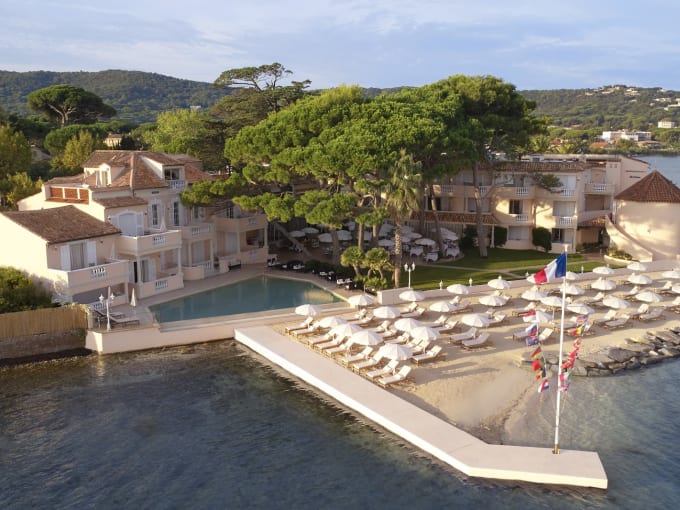
Cheval Blanc St-Tropez occupe une place naturelle dans cette lecture gastronomique. L’hôtel est posé sur la baie des Canoubiers, donc à l’écart de l’agitation du port. Cette localisation change l’expérience de table. On vient ici chercher une relation plus calme à la mer. Le déjeuner prend une tonalité balnéaire, tandis que le dîner profite d’un horizon plus apaisé. Ce que nos conseillers observent : les voyageurs qui choisissent cette adresse organisent volontiers leur journée autour du restaurant, puis de la plage. La cuisine méditerranéenne y trouve un terrain évident. Produits marins, légumes du Sud et service très cadré comptent autant que la vue. Mon conseil : réserver avant l’arrivée, surtout si vous souhaitez une table extérieure à l’heure du coucher du jour.
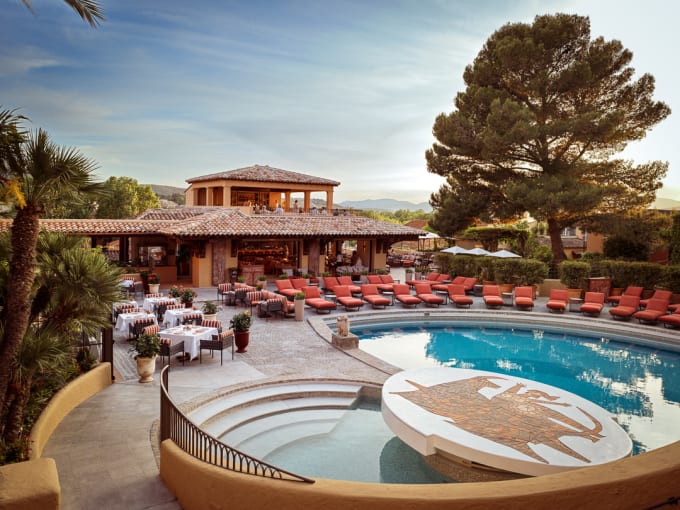
La Réserve Ramatuelle Hotel, Spa and Villas joue une partition différente. L’adresse n’est pas sur le port de Saint-Tropez, mais sur le littoral de Ramatuelle, avec une lecture plus ouverte de la Méditerranée. Pour la restauration, cela compte beaucoup. Le sentiment d’espace renforce le repas. On y vient moins pour voir et être vu que pour s’installer longtemps face à la mer. Dans un classement consacré au bord de mer, c’est un avantage éditorial net. La table y accompagne une expérience de destination complète. Déjeuner léger après la plage, dîner plus construit, produits méditerranéens et tempo plus silencieux. C’est une adresse qui convient bien aux voyageurs pour qui la gastronomie doit rester élégante, sans devenir une scène. Là encore, l’anticipation est essentielle. Les tables les mieux placées partent vite dès que la saison s’installe.
À Lily of the Valley, la restauration s’inscrit dans un séjour de rivage très contemporain. L’hôtel se trouve à La Croix-Valmer, au-dessus du secteur de Gigaro, avec un rapport direct au paysage côtier. La vue mer y structure fortement l’expérience. Ici, bien dîner face à la mer ne signifie pas forcément repas formel. L’intérêt réside aussi dans la manière dont la cuisine dialogue avec le mode de vie balnéaire. Déjeuners lumineux, produits méditerranéens, assiettes pensées pour prolonger une matinée de plage ou accompagner un retour de baignade. Cette logique parle à une clientèle qui veut garder de la souplesse. Ce que nous retenons : l’adresse réussit à faire de la restauration un prolongement du séjour, pas une parenthèse isolée. Pour obtenir les meilleurs horaires, mieux vaut réserver dès la confirmation de la chambre.
Byblos Saint-Tropez et Hôtel de Paris Saint-Tropez ne sont pas des hôtels de plage au sens strict, mais ils restent pertinents dans une lecture tropézienne de la gastronomie. Leur force vient d’un autre registre. Ils permettent de combiner la vie du village, l’accès au port et des repas qui s’inscrivent dans une journée plus mobile. On y déjeune après la mer, ou l’on dîne avant une soirée en ville. Ce n’est pas la même promesse qu’une table posée sur le sable. Mais pour certains voyageurs, cette souplesse vaut davantage qu’un face-à-face permanent avec l’eau. Notre lecture est simple : si le repas doit être le centre du séjour balnéaire, privilégiez Cheval Blanc St-Tropez, La Réserve Ramatuelle Hotel, Spa and Villas ou Lily of the Valley. Si vous voulez alterner mer, village et rythme social, Byblos Saint-Tropez et Hôtel de Paris Saint-Tropez gardent une vraie pertinence.
Spa, récupération et rythme balnéaire
À Saint-Tropez, le bord de mer ne se résume pas à la plage. Le vrai confort se joue souvent après le sable, le sel et le vent. Un bon spa prolonge la journée sans rompre le rythme balnéaire. Il permet de récupérer après une matinée à Pampelonne. Il aide aussi à mieux vivre les séjours très ensoleillés. Dans notre lecture, les hôtels les plus convaincants sont ceux qui articulent mer, piscine et soins avec cohérence. Ce point compte particulièrement pour les longs week-ends. Il devient décisif sur une semaine complète. À retenir aussi, tous les spas ne racontent pas la même chose. Certains misent sur le soin technique. D’autres privilégient l’espace, la lumière et une circulation fluide entre chambre, bassin et cabine.
Parmi les adresses les plus solides sur ce registre, Cheval Blanc St-Tropez occupe une place à part. L’hôtel bénéficie d’un accès direct à la mer. Son spa Guerlain donne un cadre très structuré à la récupération. C’est un argument net pour les voyageurs qui veulent alterner plage et soins sans transfert. La présence de la piscine renforce cette logique. Le séjour reste fluide du matin au soir. Lily of the Valley mérite aussi l’attention. L’adresse n’est pas dans le village même. Elle domine toutefois le littoral de La Croix-Valmer, face à la Méditerranée. Son positionnement autour du mieux-être est clair. Les espaces consacrés au mouvement, à la récupération et aux programmes personnalisés en font une option très lisible. C’est, selon nos conseillers, l’une des adresses les plus adaptées à un séjour apaisé et structuré.
La Réserve Ramatuelle s’impose également dans cette conversation. L’hôtel surplombe la côte, avec une lecture plus retirée de Saint-Tropez. Son spa Nescens est identifié pour son approche orientée bien-être et longévité. Ce cadre convient bien aux voyageurs qui recherchent du calme après l’intensité de Pampelonne ou du port. La piscine et les vues ouvertes participent à cette sensation de mise à distance. On y vient moins pour voir et être vu. On y vient pour ralentir. Airelles Saint-Tropez, Château de la Messardière, ajoute un autre registre. L’adresse est vaste, avec plusieurs piscines et un spa Valmont. Elle fonctionne bien pour ceux qui veulent une expérience complète, sans renoncer à l’accès aux plages grâce aux navettes de l’hôtel. Mon conseil, ici, est simple. Cette maison convient aux séjours où chacun veut son tempo. Certains partent à la plage. D’autres restent au spa ou au bord du bassin.
Pour un séjour balnéaire plus discret, quelques hôtels jouent une partition plus légère mais pertinente. Le Byblos Saint-Tropez n’est pas un hôtel de plage. Pourtant, son spa Sisley et sa grande piscine en font une base de récupération très crédible après les clubs de plage ou les sorties en mer. Hôtel La Ponche propose une autre idée du repos. L’adresse regarde l’eau depuis le vieux quartier. Son rapport à la mer est plus intime que balnéaire. Le spa y accompagne une expérience plus feutrée, adaptée aux voyageurs qui préfèrent marcher, nager tôt et revenir dans un cadre calme. À l’inverse, Hôtel de Paris Saint-Tropez mise davantage sur la piscine rooftop et sur la centralité. Pour ceux qui veulent combiner port, shopping et parenthèses de détente, l’équation fonctionne bien.
Ce que nos conseillers observent, c’est que le meilleur hôtel de mer avec spa n’est pas toujours celui qui possède le plus grand espace. Tout dépend du rythme recherché. Pour une alternance immédiate entre plage et soins, Cheval Blanc St-Tropez reste très lisible. Pour un séjour centré sur la récupération, Lily of the Valley et La Réserve Ramatuelle offrent une proposition plus spécialisée. Pour un équilibre entre vie tropézienne et détente, Airelles Saint-Tropez, Château de la Messardière, Byblos Saint-Tropez et Hôtel de Paris Saint-Tropez répondent bien. Enfin, pour une version plus sensible et plus calme du rivage, Hôtel La Ponche garde une vraie singularité. À Saint-Tropez, le spa n’est donc pas un supplément. C’est souvent la pièce qui transforme un simple séjour en bord de mer en expérience durable et bien réglée.
Les meilleures options pour un séjour à deux
Pour un séjour à deux à Saint-Tropez, nous regardons moins l’apparat que la qualité du tête-à-tête. Un hôtel romantique se juge à son rapport au rivage. Il se juge aussi à la discrétion des circulations. La vue compte, bien sûr. Mais l’intimité compte davantage encore. À retenir, les adresses qui permettent de vivre la mer sans subir l’agitation. Les couples cherchent souvent une terrasse bien orientée. Ils cherchent aussi une suite où l’on peut vraiment ralentir. Enfin, ils attendent un dîner qui ne ressemble pas à une scène. Il faut donc des tables bien placées, un service fluide et une ambiance qui laisse de l’espace. C’est cette combinaison que nous privilégions ici.
Cheval Blanc St-Tropez s’impose naturellement pour les couples qui veulent la mer au premier plan. La maison bénéficie d’une situation directement sur la baie des Canoubiers. C’est un avantage concret. La lumière de fin de journée y est particulièrement douce. Les chambres, suites et villas prolongent cette sensation de retrait. Le niveau de service y favorise une expérience très fluide. Cela change beaucoup pour un séjour à deux. On évite les temps morts et les compromis logistiques. La restauration sur place renforce encore l’intérêt de l’adresse. Un dîner face à l’eau prend ici une vraie cohérence. Ce que nos conseillers observent souvent, c’est la capacité de l’hôtel à conjuguer prestige et calme réel. Pour des couples qui veulent célébrer une date importante, c’est une option très sûre.
La Réserve Ramatuelle convient à un autre registre romantique. L’adresse n’est pas dans le centre de Saint-Tropez. C’est précisément son intérêt. Elle domine le littoral dans un environnement plus retiré. La vue sur la Méditerranée structure l’expérience du matin au soir. Les suites et villas offrent un sentiment d’espace rare sur ce secteur. Pour un couple, cette respiration compte beaucoup. On peut alterner plage, terrasse et parenthèse de bien-être sans rupture de rythme. L’ambiance y reste plus confidentielle que mondaine. Mon conseil, choisir cette maison si vous privilégiez le silence, les horizons dégagés et les séjours où l’on vit surtout à l’hôtel. Les dîners y prennent une tonalité plus posée. Ils conviennent bien aux voyageurs qui préfèrent la conversation à la scène sociale.
Byblos Saint-Tropez joue une partition différente, mais pertinente pour certains couples. L’hôtel n’est pas un front de mer direct. En revanche, son statut d’adresse iconique du village change la nature du séjour. On y vient pour l’énergie tropézienne, puis pour la retrouver à deux dans un cadre très maîtrisé. Les suites constituent ici le vrai sujet. Elles permettent de créer une bulle, tout en gardant le port, les ruelles et les tables connues à portée immédiate. Pour des couples qui aiment dîner dehors, sortir à pied, puis revenir vite dans une chambre de caractère, c’est une option très convaincante. L’intimité ne vient pas de l’isolement. Elle vient de la qualité du refuge après la vie du village. C’est une nuance importante.
Lily of the Valley mérite aussi l’attention des couples qui veulent un séjour plus contemporain. L’adresse se situe au-dessus de la plage de Gigaro, dans un paysage côtier très ouvert. Le rapport à la mer y est fort, mais moins mondain que sur Pampelonne. L’architecture et les terrasses favorisent une relation constante à l’extérieur. Pour un voyage à deux, cela crée un cadre très simple à habiter. On passe facilement d’un petit déjeuner avec vue à une fin de journée plus lente. L’hôtel parlera davantage aux couples qui aiment le bien-être, la lumière et les lignes nettes. En synthèse, Cheval Blanc St-Tropez reste notre choix le plus complet pour la romance en bord de mer. La Réserve Ramatuelle suit de près pour la confidentialité. Byblos Saint-Tropez séduit les duos urbains. Lily of the Valley attire les couples en quête d’air, d’espace et d’un rythme plus contemporain.
Notre lecture du meilleur bord de mer tropézien
Au moment de choisir un hôtel en bord de mer à Saint-Tropez, tout se joue dans la nuance. La même destination peut offrir des séjours très différents. Certains voyageurs cherchent une adresse immédiatement reconnaissable. D’autres veulent surtout du calme, une plage à portée de pas, ou une grande maison capable d’orchestrer tout le séjour. Notre lecture consiste donc à relier chaque hôtel à un usage précis. C’est souvent la meilleure manière d’éviter un choix trop théorique. À Saint-Tropez, la mer ne se vit pas partout de la même façon. Entre le port, la baie, les plages de Pampelonne et les positions plus retirées, l’expérience change nettement. À retenir : le bon hôtel n’est pas seulement celui qui regarde la mer. C’est celui dont le rapport au rivage correspond à votre rythme.